1912 · Approximately 40 minutes

Also available on: Archive.org
The Pride of the Circus

The Pride of the Circus

1912 Approximately 40 minutes Denmark
Love across class boundariesSelf-sacrifice and heroismPerformance as identitySocial prejudice and acceptanceCourage under public scrutiny

Plot

A tightrope walker traveling with a circus arrives in a small seaside town and falls in love with the mayor's daughter. Their romance is tested immediately by class prejudice, as the mayor disapproves of his daughter's attachment to a poor performer from the traveling show. When a fire threatens the young woman, the circus artist saves her life, and her gratitude quickly turns into sincere affection, leading her to accept his marriage proposal. Still determined to prove himself worthy in the eyes of her father and the wider community, he plans a spectacular but dangerous public act that will demonstrate his courage, skill, and devotion. The film builds toward this risky performance as both a romantic gesture and a social challenge, using the circus setting to frame a story about love, honor, and self-sacrifice.

About the Production

Release Date 1912
Production Nordisk Films Kompagni
Filmed In Denmark

The film was made during the early Scandinavian silent era, when Danish production companies such as Nordisk were exporting prestige melodramas across Europe and beyond. Specific surviving production records for this title are limited, and detailed on-set documentation such as budget sheets, shooting logs, or location reports has not been widely published. Like many Danish films of the period, it likely relied on staged exteriors and carefully composed action scenes rather than elaborate constructed sets, with the circus material providing an opportunity for athletic performance and visual spectacle. Because the film is from 1912, information about exact filming locations, studio stages, and crew credits beyond the director is sparse in surviving databases and archival references.

Historical Background

The film was made in 1912, at the height of the pre-World War I silent cinema boom, when Denmark was a major exporting nation in international film culture. Nordisk Films Kompagni had achieved a reputation for polished melodramas, often built around intense emotion, moral conflict, and visually striking staging, and The Pride of the Circus fits squarely within that tradition. The period also saw an audience appetite for stories of spectacle and mobility, and the circus was an ideal setting because it combined romance, danger, performance, and social outsider status. In broader historical terms, the film emerged before the disruption of the war years, when European film industries would soon face major shifts in production, distribution, and international influence.

Why This Film Matters

The film is significant as an example of early Danish melodrama and of how silent cinema used circus imagery to explore class division, courage, and romantic aspiration. Even when exact surviving critical commentary is scarce, works like this helped establish the international reputation of Scandinavian films for emotionally direct storytelling and visual polish. The combination of a poor performer and an upper-class woman reflects a recurrent silent-era fascination with crossing social boundaries through sacrifice and heroism. For modern film historians, the title is valuable as part of the broader Nordic archive that documents the aesthetics and narrative priorities of early European cinema.

Making Of

The Pride of the Circus was produced at a time when Nordisk Films Kompagni had become one of the most influential companies in Europe, and its productions were known for clear storytelling, strong visual compositions, and melodramatic emotional arcs. Alfred Lind, working in the Danish silent tradition, would have been expected to stage the circus sequences and the rescue scene with clarity and dramatic emphasis, since audiences depended entirely on the image for narrative information. There is no widely cited evidence of major production scandals or unusual behind-the-scenes controversies, but the film’s premise suggests the use of stunt-like physical action, especially in the tightrope and danger scenes. As with many films from 1912, surviving documentation is limited, so much of the production history must be inferred from the studio context and the style of contemporary Danish cinema.

Visual Style

The film would have relied on the visual grammar typical of early 1910s Danish cinema: stately composition, readable staging, and emphasis on expressive gesture. Circus material offered strong opportunities for deep-focus-like spatial arrangement within the frame, allowing the tightrope act and rescue sequence to function as dramatic visual climaxes. Early Danish films were often praised for their controlled mise-en-scène and clean narrative presentation, and this title likely follows that tradition. While specific cinematographer credit is not consistently available in accessible references, the film’s visual identity would have been shaped by the period’s preference for elegant tableaux and straightforward dramatic movement.

Innovations

The film’s main technical interest lies in its probable use of staged physical spectacle and hazardous-looking action to heighten melodramatic tension. Tightrope performance in silent cinema required careful framing and controlled blocking so that the audience could clearly follow the act and sense the risk. The fire rescue and final dangerous stunt suggest the use of practical effects, coordinated extras, and carefully choreographed movement rather than later cinematic trickery. While not an innovation landmark in the modern sense, it exemplifies the period’s ability to create suspense and emotional payoff through purely visual means.

Music

As a 1912 silent film, it had no synchronized recorded soundtrack. Exhibition would have depended on live musical accompaniment, which could vary by theater, region, and accompanist. In some venues, a pianist or small ensemble would have improvised or followed cue-based mood selection to support the circus excitement, romance, and rescue scenes. No original composed score is widely documented for the film in surviving public references.

Memorable Scenes

  • The tightrope walker’s public performance, which serves as the film’s central display of skill and danger.
  • The rescue of the mayor’s daughter from a deadly fire, which transforms the romance and proves the hero’s courage.
  • The final high-risk act devised to win respect and demonstrate that the performer deserves his bride.

Did You Know?

  • This is an early Danish silent drama directed by Alfred Lind, a filmmaker associated with Nordisk during a formative period for Scandinavian cinema.
  • The story combines circus melodrama with social-class conflict, a popular dramatic formula in early silent filmmaking.
  • The title has a strongly promotional tone typical of the era, emphasizing spectacle, heroism, and emotional grandeur.
  • The film’s plot centers on a tightrope walker, which would have allowed silent cinema to showcase visual peril and physical precision without dialogue.
  • Its narrative includes a fire rescue, a romantic proposal, and a dangerous public stunt, all of which are classic silent-era melodramatic set pieces.
  • Because it dates from 1912, it belongs to the period when Danish films were often exported internationally and admired for polished production values.
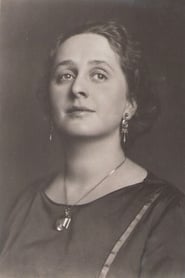
  • The cast includes Rasmus Ottesen, Emilie Otterdahl, and Lili Beck, but detailed role assignments are not consistently preserved in widely accessible records.
  • Information on original reviews, censorship paperwork, and exhibition history is limited, which is common for silent films from this period.
  • The film survives in film history databases and catalog references, but comprehensive modern documentation remains uneven compared with later, better-preserved features.

What Critics Said

Contemporary reviews are not well preserved in widely accessible English-language sources, so the film’s immediate critical reception is difficult to reconstruct in detail. In the context of Nordisk’s output, however, films of this kind were generally valued for their production refinement, narrative clarity, and strong emotional appeal to popular audiences and export markets. Modern appraisal is mostly archival rather than mainstream critical, with interest focused on its place in Alfred Lind’s filmography and in the development of Danish silent drama. Because the film is little known today, discussion tends to emphasize historical importance over preserved critical consensus.

What Audiences Thought

Specific audience records, attendance figures, and box-office returns are not known for this title. Given the popularity of circus stories and melodramatic romance in the silent era, it would likely have appealed to contemporary viewers who enjoyed vivid emotional storytelling and clear visual action. The film’s mix of danger, rescue, and romantic vindication fits the kind of material that commonly performed well in both domestic and export circulation. Today its audience reception is largely limited to scholars, archivists, and silent-film enthusiasts who encounter it through databases and historical film references.

Film Connections

Influenced By

  • Early stage melodrama involving circus life and forbidden romance
  • Popular silent-era narratives about working-class heroes proving their worth
  • Contemporary theatrical traditions of spectacle and physical peril

This Film Influenced

  • Likely contributed to the broader silent-film tradition of circus melodramas and romantic rescue stories
  • May have helped reinforce narrative conventions later seen in European and Hollywood circus dramas

Film Restoration

Survival status is not clearly documented in widely accessible English-language references. The film is cataloged by film-history and archival databases, but detailed public information about whether a complete print survives, whether it exists in fragmentary form, or whether it has been restored is not consistently available. If extant, it is primarily of archival interest rather than broad commercial circulation. Further confirmation would likely require consultation of Danish archival holdings or specialized silent-film preservation catalogs.

Themes & Topics