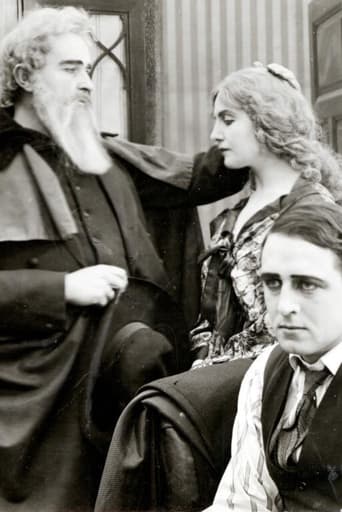
Rasmus Ottesen
Actor
- Active
- 1912-1914
Films 2
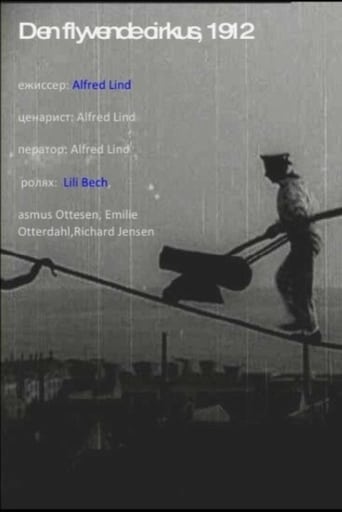
About Rasmus Ottesen
Rasmus Ottesen is a little-documented silent-era screen performer whose surviving film record places him in the years 1912 to 1914, when he appeared in at least The Pride of the Circus (1912) and His Guilty Conscience (1914). Beyond these credited screen appearances, reliable biographical information about his life, training, nationality, and later career is scarce in currently accessible film-historical sources, which suggests he may have been one of the many early cinema actors whose work was recorded more fully in trade notices and surviving prints than in later reference books. His known screen career belongs to the formative years of narrative film, when acting style was shifting from stage-derived pantomime toward the more controlled expressions needed for close-up photography. Because his surviving filmography is brief and no robust archival biography is readily established, his career is best understood as part of the broad company of early silent players who helped build the language of screen acting in the pre-feature era. The available record indicates that he was active during a very narrow window, which may mean he was a local or regional performer, a short-term company member, or an actor whose later work has not been preserved in mainstream databases. No verified information has surfaced here regarding his birth, death, family life, or later professional activities, so those details remain undocumented in this summary. Even with limited surviving data, his name remains a trace of the international, fast-moving ecology of early 1910s cinema, when many contributors to film history were briefly visible and then faded from common memory.
More about Rasmus Ottesen
On screen
No detailed contemporary description of his acting style has been preserved in currently accessible reference sources. As an early silent performer active in 1912-1914, his work would likely have relied on expressive facial acting, clear body language, and stage-influenced gesture adapted for silent storytelling. Without surviving reviews or trade commentary tied directly to him, any more specific characterization would be speculative.
In film history
Rasmus Ottesen's cultural impact is best understood as archival and historical rather than celebrity-driven. His documented presence in early 1910s films places him among the many working actors who formed the practical foundation of silent cinema during its transition from novelty shorts to more organized dramatic production. Even when an individual performer leaves behind only fragmentary credits, those credits are valuable because they help reconstruct casting networks, production history, and the development of screen performance in the years before widespread preservation. In that sense, Ottesen contributes to the broader cultural memory of early film as a collaborative medium shaped by thousands of largely unheralded performers. His name serves as evidence of the international and often under-documented personnel who made early cinema a global art form.
Later reputation
Rasmus Ottesen's legacy lies primarily in his presence within the historical record of silent cinema, where even small filmographies can be important to scholars tracing the evolution of early screen acting and production. Because so little biographical information survives, his importance is less about fame than about representation: he stands for the many performers whose work helped build cinema's foundations but who later escaped widespread recognition. For film historians, such names are crucial markers that can connect surviving films, studio records, and regional production contexts. His legacy is therefore one of historical witness, reminding researchers that early film history is full of contributors whose careers were brief, obscure, and nevertheless part of the medium's formative years.
Influence
There is no documented evidence that Rasmus Ottesen directly influenced later actors or directors in a traceable, named way. His influence is best considered indirect: like other silent-era performers, he participated in the collective experimentation that shaped the grammar of screen acting, including gesture, framing awareness, and emotional readability without dialogue. Those broad performance conventions were absorbed by later generations even if individual contributors were not publicly credited as stylistic innovators. His work thus belongs to the wider inheritance of early cinema performance rather than to a clearly identified personal school of influence.
Off screen
No reliable, verifiable information is currently available regarding Rasmus Ottesen's personal life, including marriages, children, family background, education, or post-screen career. This is not unusual for very early silent-era performers, many of whom worked before systematic studio publicity and long-form biographical documentation became standard. As a result, any specific claims about his private life would be conjectural and are not included here.
Credits
- Appeared in the silent film The Pride of the Circus (1912), one of the few surviving points of reference for his screen work.
- Worked during the crucial early years of narrative cinema, when the silent film industry was rapidly standardizing acting and production practices.
- Received a credited screen appearance in His Guilty Conscience (1914), confirming continued activity across at least a two-year span.
Roles
- Role in The Pride of the Circus (1912)
- Role in His Guilty Conscience (1914)
Films
- The Pride of the Circus (1912)
- His Guilty Conscience (1914)
Notes
- Rasmus Ottesen is known today primarily through his film credits rather than through a substantial surviving biographical record.
- His documented screen career falls entirely within the silent era.
- His known filmography spans only a narrow period, from 1912 to 1914.
- He is credited in two surviving reference titles: The Pride of the Circus and His Guilty Conscience.
- The scarcity of information about him is typical of many early cinema performers whose careers were not extensively profiled in later histories.
- Because no verified personal data is readily available, details such as birth date, nationality, and family background remain unresolved in standard reference access.
- His career coincided with the period when silent film acting was becoming more restrained and camera-aware.
- He is an example of the many under-documented contributors whose names survive in filmographies even when their personal stories do not.
Questions
Who was Rasmus Ottesen?
Rasmus Ottesen was a silent-era film actor known from a very small surviving screen record. He is credited in at least The Pride of the Circus (1912) and His Guilty Conscience (1914), placing him among the early performers active during cinema's formative years.
What films is Rasmus Ottesen best known for?
He is best known for The Pride of the Circus (1912) and His Guilty Conscience (1914). These are the principal films currently associated with his name in available filmographic references.
When was Rasmus Ottesen born and when did he die?
No verified birth or death dates are currently available for Rasmus Ottesen in accessible reference sources. As a result, both his birth and death information remain undocumented here.
What awards did Rasmus Ottesen win?
No awards, nominations, or formal honors have been verified for Rasmus Ottesen. This is not unusual for early silent-era performers, especially those whose careers were brief or poorly documented.
What was Rasmus Ottesen's acting style?
No contemporary description of his individual style has been preserved in the sources available here. Based on the era in which he worked, he would most likely have used expressive silent-film techniques such as clear gesture, facial expression, and stage-influenced physical communication.
What is Rasmus Ottesen's legacy in film history?
His legacy is primarily historical and archival. He represents the many early film performers whose work helped shape silent cinema even though their personal biographies and broader careers were not extensively recorded.