Kirstine Friis-Hjorth
Actor
- Active
- 1912-1912
Films 1
About Kirstine Friis-Hjorth
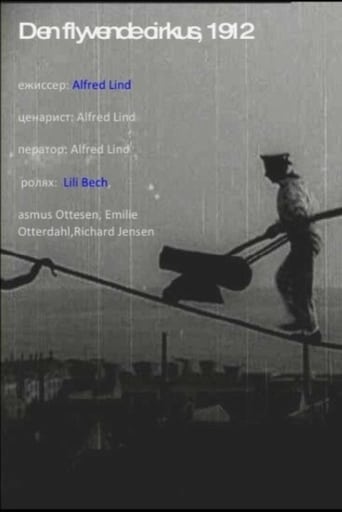
Kirstine Friis-Hjorth appears in surviving film records as a very early Danish screen performer credited in the silent film The Pride of the Circus (1912). Beyond that single documented credit, reliable biographical information about her life and career is extremely sparse, and she does not appear to have left a substantial surviving public record in standard reference sources. Like many performers from the earliest years of Scandinavian silent cinema, she may have worked briefly in film or theater without extensive contemporary press coverage or later archival preservation. The available evidence suggests she was active during the formative period of Danish cinema, when short narrative films and circus, melodrama, and adventure subjects were especially common. Because her career documentation is minimal, it is not possible to responsibly reconstruct a detailed life story, family background, or later professional trajectory without risking confusion with another person. Her significance today is primarily historical: she is one of the many early film participants whose names survive in filmographies and help map the broader, often under-documented landscape of silent-era production.
More about Kirstine Friis-Hjorth
In film history
Kirstine Friis-Hjorth's cultural impact is best understood as part of the foundational, often anonymous or lightly documented workforce of early Danish cinema. Performers like her helped establish the silent screen's dramatic vocabulary during a period when film language, production methods, and audience expectations were still being formed. Even when individual careers are not well preserved, the presence of her name in surviving film records contributes to the historical completeness of early cinema scholarship and helps researchers trace casting, production trends, and the participation of women in the silent era. Her credit in The Pride of the Circus also reflects the popularity of circus and melodramatic subjects in early European film, genres that played an important role in drawing audiences to the new medium.
Later reputation
Her legacy lies primarily in archival significance rather than celebrity remembrance. Kirstine Friis-Hjorth is one of the many early performers whose names survive in filmographies and database records, reminding modern viewers that silent cinema was built by a much larger community than the few stars most often cited in histories. For film historians, such names are valuable evidence of the breadth of Danish production in 1912 and of the many women who contributed to early screen acting even when their later lives were not preserved in detail. Her surviving credit ensures that she remains part of the historical record of silent-film performance.
Influence
There is no documented evidence that Kirstine Friis-Hjorth directly mentored other actors or had a widely recognized influence on later performers. Her broader influence is indirect: by participating in the early silent-film industry, she was part of the generation that helped normalize cinematic acting for Scandinavian audiences and shaped the visual storytelling traditions that later actors inherited. In historical terms, her presence in the record supports scholarship on early Danish cinema and the often-overlooked contributions of women in the first decades of film.
Off screen
No reliable public information has been found regarding Kirstine Friis-Hjorth's personal life, including family background, marriages, children, or later activities. Her surviving footprint in accessible film reference material is limited to her screen credit, which is common for many silent-era performers whose off-screen lives were not extensively documented. As a result, any claims about her relationships, education, or later career would be speculative and are omitted here.
Credits
- Credited in the silent film The Pride of the Circus (1912), a surviving record of her screen work
- Represents the early generation of Danish silent-cinema performers active during the 1910s
- Associated with one of the earliest periods of narrative feature and short-film production in Scandinavian cinema
Roles
- Role in The Pride of the Circus (1912) - specific character name not currently documented in accessible sources
Films
- The Pride of the Circus (1912)
Notes
- She is credited in a 1912 silent film, placing her among the very early generation of screen actors.
- Her surviving film record is extremely limited, which is common for performers from the silent era.
- The Pride of the Circus suggests participation in one of the most popular early cinema genres: circus and spectacle melodrama.
- Her name appears in historical filmography databases rather than in widely circulating star biographies.
- Because documentation is sparse, she is an example of how many early film contributors remain known mainly through credits rather than personal archives.
- Her career window, as currently recorded, is confined to a single year, 1912.
- She is associated with Danish cinema, an important center of early European film production.
Questions
Who was Kirstine Friis-Hjorth?
Kirstine Friis-Hjorth was a Danish silent-era actor known from surviving film records. Her documented screen career is extremely limited, with The Pride of the Circus (1912) being the known credit associated with her name. She is primarily of interest to film historians researching early Scandinavian cinema.
What films is Kirstine Friis-Hjorth best known for?
She is best known for The Pride of the Circus (1912), the only clearly documented film credit currently associated with her in accessible records. No additional confirmed filmography is available from the sources reflected here.
When was Kirstine Friis-Hjorth born and when did she die?
Her birth date, place of birth, and death date are not currently available in reliable accessible sources. Many silent-era performers were not thoroughly documented, and her surviving record is limited to film credit information.
What awards did Kirstine Friis-Hjorth win?
No awards or nominations are currently documented for Kirstine Friis-Hjorth. This is not unusual for early silent-era actors, many of whom worked before the modern awards system existed or before their careers were widely chronicled.
What was Kirstine Friis-Hjorth's acting style?
Her specific acting style is not documented in surviving accessible sources. Given the period, she would have performed in the expressive, gesture-based style typical of silent cinema, but that remains an informed historical generalization rather than a verified personal description.
What is Kirstine Friis-Hjorth's legacy in film history?
Her legacy is archival and historical: she represents the many early performers whose work helped build silent cinema even though their biographies were not fully preserved. Her surviving credit contributes to the record of Danish film production in 1912 and to the study of women in early European cinema.