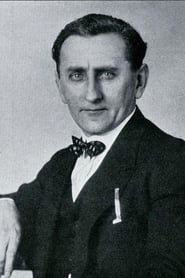
Holger-Madsen
Actor & Director
Born: April 11, 1878 in Copenhagen, Denmark Died: November 1, 1943 Active: 1910-1932
Films
6 films

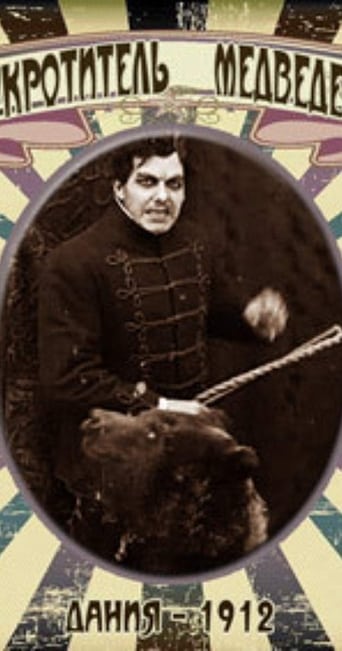
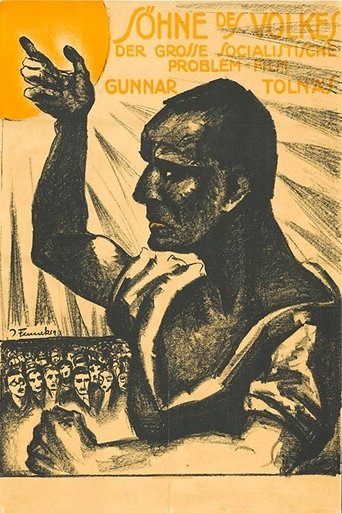
About Holger-Madsen
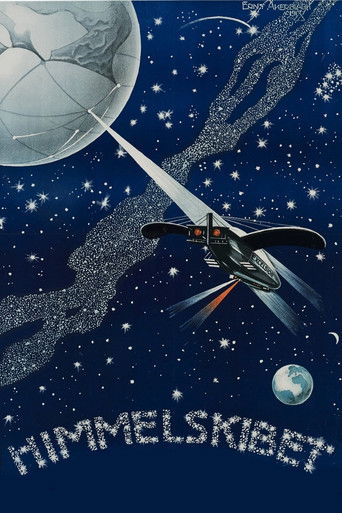
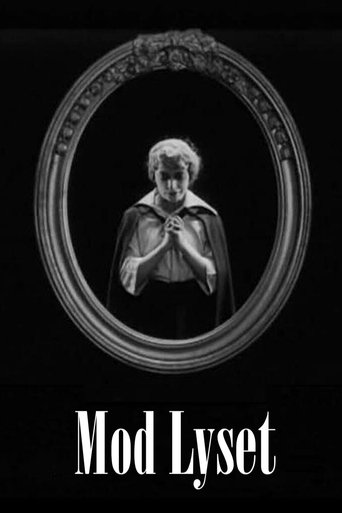
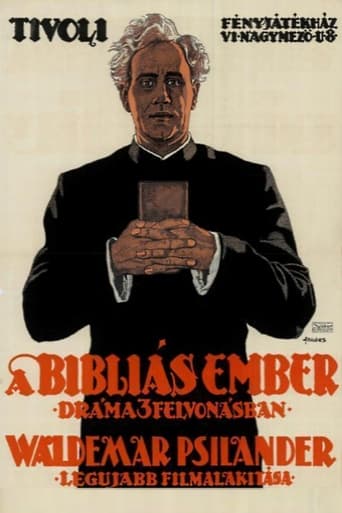
Directed A Trip to Mars (1918), Peace on Earth (1917), and Towards the Light (1919). Danish film director and actor who worked at the height of Danish silent cinema. Born in Copenhagen in 1878, he began his career in theater before transitioning to the burgeoning film industry in the early 1910s. Madsen joined Nordisk Film, where he quickly rose from actor to director, becoming one of the studio's most prolific filmmakers during World War I. His most famous works include the science fiction masterpiece 'A Trip to Mars' (1918), which showcased his innovative approach to special effects and storytelling. Madsen was particularly adept at blending social commentary with entertainment, as evidenced in films like 'Peace on Earth' (1917) and 'Towards the Light' (1919). Throughout the 1920s, he continued to direct numerous films, though his output waned as the industry transitioned to sound. Across more than two decades, he directed more than 60 films and acted in dozens more, shaping early European cinema.
The Craft
On Screen
As an actor, Madsen employed the theatrical style common in early cinema, with exaggerated gestures and expressions to convey emotion without dialogue. His performances were characterized by a dignified presence and ability to portray both dramatic and comedic roles effectively.
Behind the Camera
Madsen's directing style was innovative for its time, featuring sophisticated visual storytelling and technical experimentation. He was particularly noted for his use of special effects in science fiction films, his ability to create atmospheric settings, and his skill in blending entertainment with social commentary. His compositions often featured careful framing and dynamic camera movement for the era.
Milestones
- Transitioned from theater to film in early 1910s
- Joined Nordisk Film and became one of their leading directors
- Directed the science fiction film 'A Trip to Mars' (1918)
- Created socially relevant dramas during World War I
- Successfully navigated the transition from silent to early sound films
Best Known For
Iconic Roles
Must-See Films
Accolades
Won
- Danish Film Critics Award for Lifetime Achievement (posthumous)
Nominated
- Nordic Film Award nomination for Best Director (1925)
Special Recognition
- Honored at the Copenhagen Silent Film Festival (1975)
- Featured in Danish Film Institute's retrospective of directors
- Name included in the Danish Film Hall of Fame
Working Relationships
Worked Often With
Studios
Why They Matter
Impact on Culture
Holger Madsen significantly influenced early European cinema, particularly in the science fiction genre with his groundbreaking film 'A Trip to Mars.' His work helped establish Denmark as a major force in international film production during the silent era, competing successfully with Hollywood and other European centers. Madsen's films often addressed contemporary social issues, using the medium of cinema to explore themes of peace, scientific progress, and human nature. His technical innovations in special effects and visual storytelling paved the way for future developments in genre filmmaking. During World War I, when many European film industries struggled, Madsen's prolific output helped maintain Denmark's cultural presence on the international stage.
Lasting Legacy
Holger Madsen's legacy endures through his contributions to early science fiction cinema and his role in establishing Denmark's film industry. 'A Trip to Mars' remains a landmark film in the history of science fiction, studied by film scholars for its innovative techniques and imaginative vision. His extensive filmography provides valuable insight into early 20th-century European culture and values. Madsen is remembered as a versatile filmmaker who could excel in multiple genres, from social dramas to fantastical adventures. The Danish Film Institute preserves many of his works, ensuring that future generations can study and appreciate his contributions to cinema history.
Who They Inspired
Madsen's approach to science fiction influenced later directors in both Europe and America, particularly in his use of special effects to create believable otherworldly environments. His technique of blending social commentary with genre entertainment became a template for subsequent filmmakers. His work at Nordisk Film helped establish production methods that would be adopted by studios across Europe. Many Danish directors who followed, including Carl Theodor Dreyer, were influenced by Madsen's visual style and narrative techniques. His films continue to be studied in film schools as examples of early cinematic innovation.
Off Screen
Holger Madsen was married to actress Lilly Jacobson, with whom he frequently collaborated both on screen and behind the camera. The couple had two children, one of whom, Annelise Madsen, followed in her parents' footsteps to become an actress. Madsen was known for his dedication to the craft of filmmaking and was respected by his colleagues for his professionalism and innovative spirit. He remained in Copenhagen throughout his career, contributing to the city's reputation as a center of European film production during the silent era.
Education
Royal Danish Theatre School (graduated 1900) - Formal training in acting and stagecraft
Family
- Lilly Jacobson (1915-1943)
Did You Know?
- 'A Trip to Mars' (1918) was one of the first full-length science fiction films and featured groundbreaking special effects for its time
- Madsen often cast his wife Lilly Jacobson in leading roles in his films
- He was
- During World War I, his films were particularly popular in neutral countries
- He originally trained as a pharmacist before pursuing a career in theater
- Madsen was one of the first directors to use location shooting for dramatic effect
- His film 'The Mysterious X' (1914) featured innovative use of shadows and lighting
- He was instrumental in developing Nordisk Film's international distribution network
- Madsen continued making films well into the sound era, though he was less successful in the new medium
- His films were rediscovered by film scholars in the 1960s, leading to a revival of interest in Danish silent cinema
In Their Own Words
The cinema is not merely entertainment; it is a mirror that reflects our society and a window that shows us what we might become
In making science fiction, we must remember that the most important element is not the fantastic, but the human
Every film should teach something, even if it only teaches us to dream
The Danish spirit in film is one of honesty and directness - we do not need to exaggerate when the truth is powerful enough
Frequently Asked Questions
Who was Holger-Madsen?
Danish on YTB.my. He was a major figure in Danish cinema during the 1910s and 1920s.
What films is Holger-Madsen best known for?
Titles linked here include A Trip to Mars (1918), Peace on Earth (1917).
When was Holger-Madsen born and when did he die?
Born April 11, 1878; died November 1, 1943.
What awards did Holger-Madsen win?
While most of his recognition came posthumously, Madsen received the Danish Film Critics Award for Lifetime Achievement and was honored at the Copenhagen Silent Film Festival. His films continue to be recognized for their historical significance.
What was Holger-Madsen's directing style?
Madsen's directing style was innovative for its time, featuring sophisticated visual storytelling, technical experimentation, and special effects. He excelled at blending entertainment with social commentary and was particularly noted for his atmospheric settings and careful compositions.