
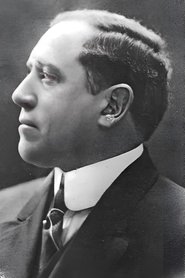
Tefft Johnson
Actor & Director
Born: September 23, 1883 in Washington, D.C., United States Died: October 15, 1956 Active: 1910-1915 Birth Name: William Tefft Johnson
Films
5 films
About Tefft Johnson
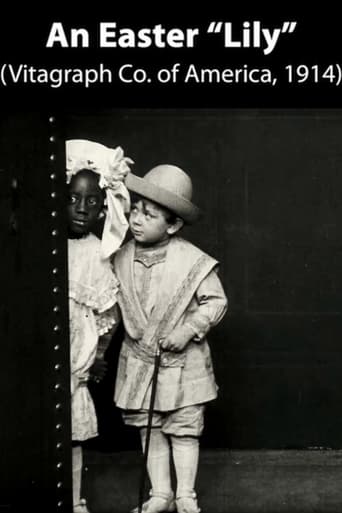
Figure in early American cinema, active during the transformative years of the silent era when filmmaking was evolving from short novelty acts into a sophisticated art form. He began his career as an actor with the Thanhouser Company, prolific independent studios of the 1910s, appearing in numerous productions including their ambitious 1910 adaptation of Shakespeare's Twelfth Night. Johnson quickly transitioned into directing, helming several films for Thanhouser, demonstrating a keen eye for narrative and composition typical of the era's emerging directorial talent. His 1914 film An Easter Lily showcased his ability to blend melodrama with visual storytelling, a hallmark of sophisticated silent filmmaking. The following year, he directed Sonny Jim and the Amusement Company, Ltd., part of a popular series of short comedies featuring the child actor Bobby Connelly, which highlighted his versatility across genres. While his directorial career was relatively brief, Johnson's work during this period contributed to the maturation of American narrative cinema. His dual role as both actor and director placed him among the versatile multi-hyphenates who shaped the foundational language of Hollywood before the studio system fully solidified.
The Craft
On Screen
As a stage-trained actor transitioning to the new medium of film, Tefft Johnson employed the theatrical gestures and expressive pantomime common in early silent cinema. His performances were characterized by clear, broad physical movements designed to convey emotion effectively to audiences without the benefit of synchronized sound. In productions like Twelfth Night, he demonstrated the ability to translate classical theatrical roles for the camera, adapting stage techniques for the intimate yet demanding nature of early film acting.
Behind the Camera
Johnson's directorial approach reflected the evolving cinematic language of the mid-1910s, moving away from the static, theatrical presentations of the previous decade towards more dynamic visual storytelling. He utilized location shooting and varied camera angles to create depth and realism, particularly evident in An Easter Lily. His work on the Sonny Jim series showed a knack for comedy timing and directing child performers, capturing naturalistic performances that resonated with audiences of the period.
Milestones
- Acted in Thanhouser's ambitious 1910 adaptation of Shakespeare's Twelfth Night
- Transitioned successfully from acting to directing within the Thanhouser studio system
- Directed the dramatic short An Easter Lily in 1914
- Directed the popular comedy Sonny Jim and the Amusement Company, Ltd. In 1915
- Contributed to over two dozen films during the foundational period of American cinema
Best Known For
Iconic Roles
Must-See Films
Working Relationships
Worked Often With
Studios
Why They Matter
Impact on Culture
Tefft Johnson's work represents an important chapter in the history of American independent filmmaking during the silent era. His contributions to the Thanhouser Company helped establish. By participating in ambitious projects like the 1910 Twelfth Night, he was part of the early movement to legitimize film as a medium for adapting classical literature, elevating its cultural status beyond mere entertainment. His directorial work, particularly in the Sonny Jim series, contributed to the development of the short comedy format that would later become a staple of Hollywood production.
Lasting Legacy
While Tefft Johnson is not a household name today, his legacy endures through the surviving films of the Thanhouser Company, which are preserved and studied by film historians and archivists. His dual role as actor and director exemplifies the versatility required of early cinema pioneers who wore many hats in the fledgling industry. The films he helped create provide invaluable documentation of cinematic techniques and storytelling methods during a crucial transitional period. His career shows the countless dedicated artists who built the foundation of American cinema, even if their individual names have faded from popular memory.
Who They Inspired
As a director working with child actors like Bobby Connelly, Johnson contributed to the development of techniques for directing young performers on screen, a skill that would become increasingly important as child stars rose to prominence in Hollywood. His work adapting literary classics for the screen helped pave the way for future filmmakers to tackle ambitious source material. While he did not mentor any major stars who went on to legendary careers, his collaborative work within the Thanhouser family of actors and directors helped foster a creative environment that influenced many who passed through the studio.
Off Screen
Born William Tefft Johnson in the nation's capital, he came from a family; his father, Bradley Johnson, was a prominent Confederate general during the American Civil War. This heritage placed him within a notable American lineage during a period of significant national transformation. Johnson eventually left the film industry, returning to his roots in Washington, D.C. Where he spent his later years. He passed away in 1956 at the age of 73, having witnessed the complete evolution of cinema from its silent infancy to the golden age of Hollywood.
Education
Educated in Washington, D.C., with early exposure to theater and the arts, likely through family connections and the cultural environment of the capital city.
Did You Know?
- His full birth name was William Tefft Johnson, but he used Tefft Johnson professionally.
- His father was Confederate General Bradley Johnson, making him part of a notable Southern military family.
- The Thanhouser Company, where he worked, was.
- His 1910 film Twelfth Night is one of the earliest known American film adaptations of a Shakespeare play.
- The Sonny Jim films he directed were part of a popular series that made child actor Bobby Connelly a star.
- Many Thanhouser films, including those Johnson worked on, were thought lost for decades but have been rediscovered and preserved.
- He worked during a period when actors and directors often switched roles fluidly, reflecting the less specialized nature of the early film industry.
- His career in film was relatively brief, spanning only about five years before he left the industry.
Frequently Asked Questions
Who was Tefft Johnson?
American actor and on YTB.my. He was a versatile filmmaker who both acted in and directed several early films, contributing to the foundational development of American cinema.
What films is Tefft Johnson best known for?
Titles linked here include Twelfth Night (1910), An Easter Lily (1914).
When was Tefft Johnson born and when did he die?
Born September 23, 1883; died October 15, 1956.
What was Tefft Johnson's connection to the Thanhouser Company?
The Thanhouser Company was the primary studio where Johnson built his career, serving as both an actor and director. He was part of their talented roster during the studio's peak years when it was one of America's most innovative independent film producers.
Did Tefft Johnson come from a notable family?
Yes, he came from a American family. His father was Bradley Johnson, a prominent general in the Confederate Army during the Civil War, giving Tefft Johnson a significant historical lineage in American history.
What was Tefft Johnson's acting and directing style?
As an actor, he used the theatrical gestures typical of early silent cinema to convey emotion clearly to audiences. As a director, he employed more dynamic techniques for his time, including varied camera angles and location shooting to create more realistic and engaging narratives.