
Films
1 film
About Georg Blomstedt
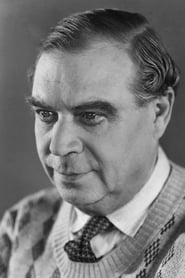
Georg Blomstedt worked on one surviving credit: The Girl from the Marsh Croft (1917). His sole known film appearance was in Victor Sjöström's acclaimed 1917 adaptation 'The Girl from the Marsh Croft,' based on Selma Lagerlöf's literary work. Blomstedt portrayed the character of the Judge in this significant Swedish film, which was part of the country's remarkable contribution to world cinema during the silent era. His performance, while not extensively documented, contributed to what is now considered a masterpiece of early Swedish filmmaking. The film itself was notable for its naturalistic acting style and sophisticated narrative techniques, elements that would influence international cinema. Blomstedt's career appears to have been exceptionally brief, with no other film credits recorded in cinema archives. His single screen appearance places him among the many supporting actors who helped create Sweden's impressive silent film legacy, even though individual details about his life and career remain scarce in historical records.
The Craft
Milestones
- Appeared in Victor Sjöström's 'The Girl from the Marsh Croft' (1917)
- Portrayed the Judge in this acclaimed Swedish silent film
- Participated in Sweden's golden age of silent cinema
Best Known For
Iconic Roles
Must-See Films
Working Relationships
Worked Often With
Studios
Why They Matter
Impact on Culture
Georg Blomstedt's cultural impact is primarily through his participation in 'The Girl from the Marsh Croft,' a film that represents the pinnacle of Swedish silent cinema and helped establish Sweden as a major force in international filmmaking during the 1910s. The film was part of a series of adaptations of Selma Lagerlöf's works that brought Swedish literature to global audiences through cinema. While Blomstedt's individual contribution as a supporting actor was modest, he was part of an artistic movement that emphasized naturalistic acting, sophisticated storytelling, and technical innovation in filmmaking. The film itself influenced directors worldwide and demonstrated that cinema could handle complex moral and social themes with depth and subtlety.
Lasting Legacy
Georg Blomstedt's legacy is that of a representative figure from the golden age of Swedish silent cinema, a period that produced some of the most artistically significant films of the early 20th century. His single known appearance in 'The Girl from the Marsh Croft' connects him to the broader narrative of Swedish cinema's international influence during the silent era. While not a major star, his contribution exemplifies how ensemble casts of talented actors, even those with brief careers, helped create enduring works of cinematic art. The film he participated in continues to be studied and appreciated by film historians and scholars as a masterpiece of early cinema.
Who They Inspired
Due to his extremely brief film career, Georg Blomstedt's direct influence on other actors or filmmakers appears to be minimal and undocumented. However, as a participant in Victor Sjöström's work, he was indirectly part of the Swedish film tradition that would later influence directors like Ingmar Bergman and countless international filmmakers. The naturalistic acting style employed in Swedish cinema of this era, which Blomstedt would have been exposed to and contributed to, helped move film performance away from the theatrical exaggeration common in early cinema toward more subtle and realistic portrayals.
Off Screen
Very little is known about Georg Blomstedt's personal life, as he appears to have been a minor actor with only one documented film credit. Historical records from the Swedish silent film era are incomplete for many supporting actors of the period, and Blomstedt falls into this category of performers who contributed to cinema but left minimal biographical traces.
Did You Know?
- Georg Blomstedt's entire known film career consists of a single movie from 1917
- He appeared in 'The Girl from the Marsh Croft,' which was based on a work by Nobel Prize-winning author Selma Lagerlöf
- The film he starred in was directed by Victor Sjöström, one of Sweden's most important early film directors
- His character was the Judge, a supporting role in this acclaimed silent drama
- The film was part of Sweden's golden age of cinema, when the country produced some of the world's most artistically advanced films
- Despite the film's significance, very little biographical information about Blomstedt survives in film archives
- The film has been preserved and is considered an important work in the history of world cinema
- Swedish silent films of this era were known for their naturalistic acting style and technical innovation
Frequently Asked Questions
Who was Georg Blomstedt?
Screen credits include only one known film, 'The Girl from the Marsh Croft' (1917), where he played the role of the Judge in Victor Sjöström's acclaimed adaptation of Selma Lagerlöf's work.
What films is Georg Blomstedt best known for?
Titles linked here include The Girl from the Marsh Croft (1917).
When was Georg Blomstedt born and when did he die?
Unfortunately, specific birth and death dates for Georg Blomstedt are not available in historical records, as he was a minor actor with only one documented film credit from the Swedish silent era.
What awards did Georg Blomstedt win?
There are no recorded awards or nominations for Georg Blomstedt, as his film career was limited to a single supporting role in 1917, before the establishment of major film awards ceremonies.
What was Georg Blomstedt's acting style?
While specific details about his acting technique are not documented, as a performer in Swedish silent cinema of 1917, he would have worked within the naturalistic acting style that characterized Swedish films of this era, moving away from the theatrical exaggeration common in early cinema.