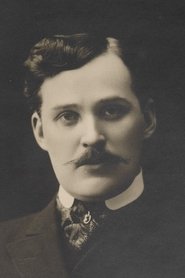
Konrad Tallroth
Actor & Director
Born: November 20, 1872 in Turku, Finland Died: February 27, 1926 Active: 1917-1923
Films
3 films
About Konrad Tallroth
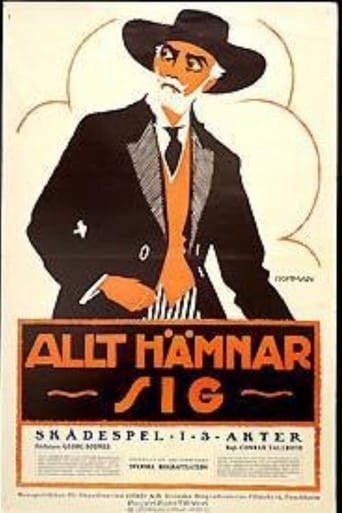
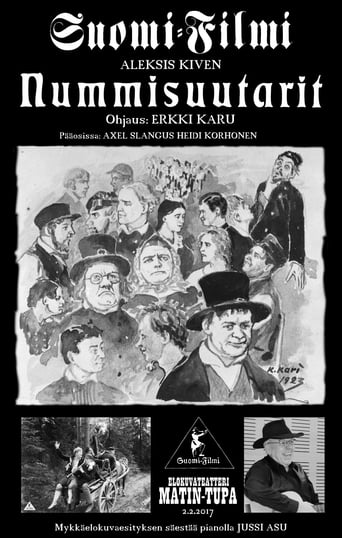
Finnish actor and director who in the development of early Finnish cinema during the silent era. Born in 1872, he began his career as a stage actor before transitioning to the emerging medium of film in the 1910s. Tallroth made his directorial debut with 'Allt hämnar sig' (Everything is Avenged) in 1917, demonstrating his versatility both behind and in front of the camera. Throughout his brief but impactful film career from 1917 to 1923, he contributed to the growing Finnish film industry during a period of national cultural awakening. His work in films like 'The Village Shoemakers' (1923) showcased the storytelling traditions of Finnish rural life, helping to establish a national cinematic identity. Tallroth's the crucial formative years of Finnish cinema, coinciding with Finland's independence from Russia in 1917. His contributions helped lay the groundwork for future Finnish filmmakers, though his life was cut short in 1926, leaving behind a legacy as one of the early architects of Finnish film art.
The Craft
On Screen
Tallroth's acting style was rooted in the theatrical traditions of the late 19th and early 20th centuries, characterized by expressive gestures and dramatic delivery typical of silent film performance. His stage background provided him with a strong foundation in character development and emotional expression, which he adapted to the requirements of cinema. As a silent film actor, he relied heavily on facial expressions and body language to convey complex emotions, helping audiences connect with the stories being told. His performances often reflected the serious, dramatic themes common in early Finnish cinema, focusing on moral dilemmas and social issues relevant to Finnish society.
Behind the Camera
As a director, Tallroth demonstrated a keen understanding of visual storytelling, utilizing the limited technical resources available in early Finnish cinema to maximum effect. His directorial approach emphasized narrative clarity and emotional resonance, drawing on his theatrical experience to stage scenes effectively within the constraints of early film technology. Tallroth's work often incorporated elements of Finnish folklore and rural life, helping to establish a distinctly national cinematic identity. His films typically featured strong moral themes and explored the tensions between tradition and modernity in Finnish society, reflecting the cultural changes occurring during Finland's early independence period.
Milestones
- Directorial debut with 'Allt hämnar sig' (1917)
- Starring role in 'The Village Shoemakers' (1923)
- work in establishing Finnish national cinema
- Transition from successful theater career to film
- Contributions during Finland's independence period
Best Known For
Iconic Roles
Must-See Films
Accolades
Special Recognition
- Recognized as a figure in Finnish cinema history
- Honored in Finnish film archives for early contributions to national cinema
Working Relationships
Worked Often With
Studios
Why They Matter
Impact on Culture
Konrad Tallroth's work contributed significantly to the establishment of a distinct Finnish national cinema during the crucial period following independence in 1917. His films helped document and preserve Finnish cultural traditions and stories on screen, creating a visual record of Finnish rural life and values. As both an actor and director, Tallroth embodied the multi-talented approach common among early film pioneers, helping to professionalize the Finnish film industry. His work during the silent era laid important groundwork for subsequent generations of Finnish filmmakers, demonstrating that Finnish stories and themes could find expression in the new medium of cinema.
Lasting Legacy
Konrad Tallroth is remembered as one of the foundational figures in Finnish cinema history, particularly significant for his dual role as both actor and director during the formative years of the national film industry. His films, though few in number, represent important early examples of Finnish storytelling on screen and are studied by film historians interested in the development of Nordic cinema. Tallroth's career exemplifies the transition from theatrical traditions to cinematic art that occurred across Europe in the early 20th century. His contributions during the brief period 1917-1923 helped establish the artistic and professional standards that would guide Finnish cinema in subsequent decades.
Who They Inspired
Tallroth influenced subsequent generations of Finnish filmmakers by demonstrating the viability of Finnish themes and stories in cinema. His successful transition from theater to film provided a model for other Finnish artists considering careers in the new medium. The serious, morally-driven themes in his work helped establish a tradition of socially conscious Finnish cinema that continues to influence filmmakers today. His technical and artistic adaptations to the challenges of early film production offered valuable lessons for those who followed in developing Finland's national cinema.
Off Screen
Konrad Tallroth was born during the period of Russian rule over Finland and lived through the nation's struggle for and achievement of independence. His active years covered a transformative period in Finnish history, and his artistic work reflected the growing sense of national identity that characterized the era. Tallroth was part of a generation of Finnish artists who helped establish the country's cultural institutions during the early 20th century. His relatively early death at age 53 cut short what might have been an even more influential career in Finnish cinema.
Education
Likely received theatrical training in the late 19th century Finnish theater tradition, though specific educational records are not well-documented for this period
Family
- Unknown - records from this period are limited
Did You Know?
- Active during Finland's independence period (1917), making his work historically significant
- Part of the first generation of Finnish film directors working in the silent era
- His film 'Allt hämnar sig' was in Swedish, reflecting Finland's bilingual culture
- Transitioned from established theater career to film work
- Active years covered only 6 years but had lasting impact on Finnish cinema
- Died relatively young at age 53, cutting short his film career
- Worked during a period when Finland was developing its national cultural identity
- His films are considered important artifacts of early Finnish cinema
- Helped establish the tradition of Finnish films based on national literature and folklore
- Represented the multi-talented artist model common in early cinema pioneers
In Their Own Words
No documented quotes are available from this early silent film era figure, as interviews and personal statements from Finnish film pioneers of this period were rarely preserved in written form
Frequently Asked Questions
Who was Konrad Tallroth?
Finnish actor and on YTB.my. He was significant for his contributions to early Finnish cinema, particularly during the period following Finland's independence, and was known for both directing and acting in his films.
What films is Konrad Tallroth best known for?
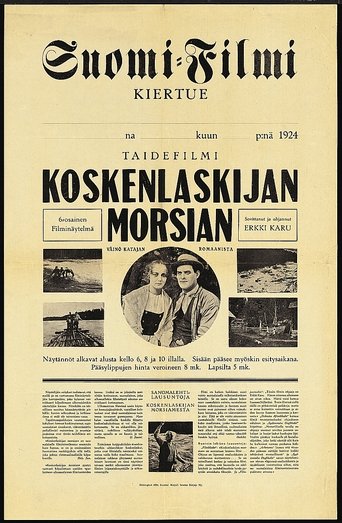
Titles linked here include Allt hämnar sig (1917), The Village Shoemakers (1923).
When was Konrad Tallroth born and when did he die?
Born November 20, 1872; died February 27, 1926.
What awards did Konrad Tallroth win?
No formal awards or nominations are documented for Konrad Tallroth's work, as formal recognition systems for cinema were not well-established during the early Finnish silent film era. However, he is honored in Finnish film history as a figure who helped establish the national cinema.
What was Konrad Tallroth's directing style?
Tallroth's directing style emphasized narrative clarity and emotional resonance, drawing on his theatrical background to create visually compelling stories within the technical constraints of early cinema. His films often incorporated Finnish cultural themes and rural traditions, helping establish a distinctly national cinematic identity.