Märta Halldén
Actor
- Active
- 1915-1925
Films 2
About Märta Halldén
Märta Halldén was a Swedish silent-era film actor whose surviving screen record places her in the mid-1910s through the mid-1920s, a period when Swedish cinema was becoming internationally admired for its literary adaptations and visual refinement. She is documented in the cast of Madame de Thèbes (1915) and The Ingmar Inheritance (1925), linking her career to two eras of Swedish film production: the early domestic silent period and the later prestige adaptations associated with the country's internationally known cinema tradition. Because she worked in a time when screen credits, studio publicity, and archival documentation were often incomplete, very little detailed biographical information has survived in widely accessible sources. What can be stated with confidence is that she was active in Swedish film during the silent era and appears to have been part of productions that drew on sophisticated storytelling and strong literary or theatrical material. Her known filmography suggests a career that was not extensive in surviving records, but rather one that reflects the many performers whose contributions helped shape the foundations of Nordic silent cinema. As with many actors of her generation, her legacy rests less on celebrity than on her participation in historically significant films that are still studied by film historians today.
More about Märta Halldén
On screen
No detailed contemporary critical descriptions of Märta Halldén's acting style have survived in widely accessible sources. As a silent-era Swedish performer, her work would have relied on expressive facial performance, body language, and the restrained emotional realism that distinguished much Scandinavian silent acting from broader melodramatic traditions. The fact that she appears in prestige productions suggests an approach suited to serious dramatic roles rather than broad comedy or vaudevillian performance.
In film history
Märta Halldén's cultural impact is best understood within the broader history of Swedish silent cinema rather than through celebrity on a global scale. Her presence in films from 1915 and 1925 connects her to an important national cinema that helped establish Sweden as a major artistic film culture during the silent era. Performers like Halldén contributed to the atmosphere of seriousness, literary adaptation, and emotional restraint that became hallmarks of Scandinavian screen art. Even when individual biographies are fragmentary, actors in these productions remain part of the cultural memory of early Nordic film and its influence on world cinema aesthetics.
Later reputation
Her legacy lies in her participation in historically significant silent films that survive as part of the record of Swedish cinema's development. Because documentation about her life is sparse, she is emblematic of the many early film performers whose artistic labor is preserved mainly through credits and archival film scholarship. For historians, such actors are important not only for their screen roles but also for what they reveal about the working practices, casting patterns, and performance styles of the silent era. Märta Halldén's name continues to appear in filmographies, ensuring that she remains part of the documented lineage of early Scandinavian screen acting.
Influence
There is no evidence that Märta Halldén directly trained later performers or became a documented stylistic influence in the way major star figures did. Her influence is therefore indirect, residing in the ensemble tradition of silent-era acting and in the preservation of Swedish film heritage. By participating in films that are still cited in film history, she contributes to the body of work that later historians, restorers, and scholars use to understand early screen performance in Sweden.
Off screen
No reliable, widely documented information has been located regarding Märta Halldén's personal life, including marriages, family background, or later life. This is common for many silent-era Scandinavian actors, especially those whose careers were brief or only sparsely recorded in surviving trade publications and archives. At present, there is no secure evidence available in the public record to confirm her family relations, private life, or post-film career.
Education
No verified information is readily available regarding her education or theatrical training.
Credits
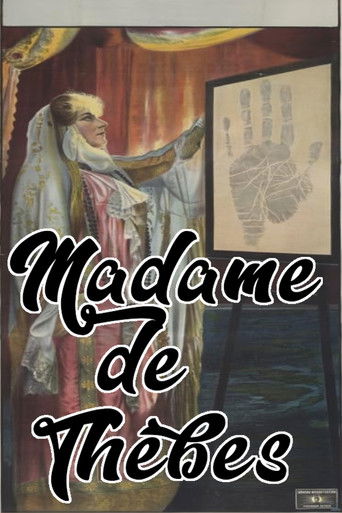
- Appeared in the Swedish silent film Madame de Thèbes (1915), placing her in the early phase of the country's film history.
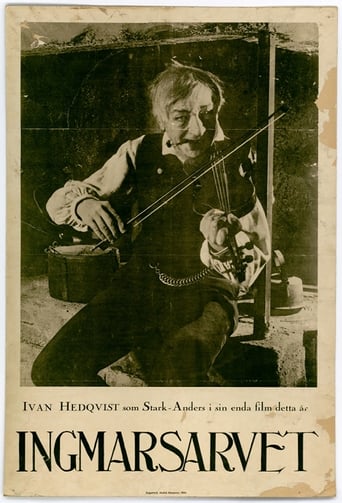
- Was cast in The Ingmar Inheritance (1925), a notable late-silent Swedish production associated with the prestige tradition of literary adaptation.
- Worked across a ten-year span that bridged early silent cinema and the more mature, internationally recognized Swedish silent era.
- Represents the generation of Scandinavian screen performers whose careers are preserved primarily through film credits rather than extensive publicity or biographical records.
Films
- Madame de Thèbes (1915)
- The Ingmar Inheritance (1925)
Notes
- Märta Halldén is documented in surviving filmography sources as a Swedish actor active during the silent era.
- Her known screen work spans a full decade, from 1915 to 1925, though only limited titles are widely preserved in accessible records.
- She appeared in Madame de Thèbes, a 1915 film that places her among the early generation of Swedish screen performers.
- She later appeared in The Ingmar Inheritance (1925), linking her to one of the more internationally recognized strands of Swedish silent filmmaking.
- Her surviving record is a reminder that many silent-era actors did important work without becoming major international stars.
- No secure public record currently provides confirmed details of her birth, death, or private life.
- She is part of the historical roster of performers associated with the prestige literary and dramatic tradition of Swedish cinema.
Questions
Who was Märta Halldén?
Märta Halldén was a Swedish silent-era film actor whose documented screen appearances place her in the 1915-1925 period. She is best known today through surviving film credits rather than extensive biographical records. Her work is part of the early history of Swedish cinema.
What films is Märta Halldén best known for?
She is known for Madame de Thèbes (1915) and The Ingmar Inheritance (1925). These titles anchor her surviving filmography and connect her to significant moments in Swedish silent film history. Additional screen work may have existed, but it is not securely documented in widely accessible sources.
When was Märta Halldén born and when did she die?
Her birth date and death date are not currently verified in reliable public sources. The same is true of her birthplace and later-life details. Her surviving record is primarily filmographic rather than biographical.
What awards did Märta Halldén win?
No awards or nominations are currently documented for Märta Halldén in accessible historical sources. That does not necessarily mean she received none, only that no reliable record has survived or is widely indexed today. Silent-era performers, especially those with limited surviving credits, were often under-documented in this respect.
What was Märta Halldén's acting style?
No contemporary critical description of her acting style is readily available, but as a silent-era Swedish performer she would have relied on expressive gesture, facial nuance, and restrained dramatic presence. Her roles in Swedish productions suggest a style suited to serious drama and literary adaptation rather than flamboyant spectacle. This aligns with the broader performance culture of Scandinavian silent cinema.
What is Märta Halldén's legacy in film history?
Her legacy is tied to her participation in Sweden's silent-film heritage, especially in productions that remain of interest to historians of Nordic cinema. Even though her personal biography is sparse, her name persists in film records as part of the working cast that helped build early Swedish screen culture. She stands as one of many performers whose contributions are preserved through cinema itself.