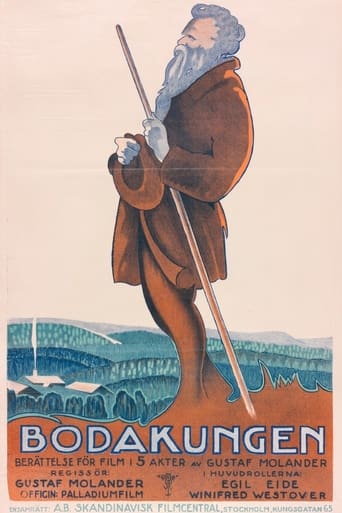
The Ingmar Inheritance
Plot
In Gustaf Molander’s silent drama, young Ingmar is shaken by a dramatic storm in which his ancestors seem to appear in the heavens, compelling him to rethink the direction of his life and his duty to the family land. He abandons the idea of continuing as the village teacher and instead decides to reclaim the ancestral farm that symbolizes both heritage and moral obligation. At the same time, the charismatic preacher Helgum arrives and ignites religious fervor in the community, setting family members against one another and disrupting long-standing social bonds. Ingmar finds himself pulled between his love for Gertrud, the headmaster’s daughter who falls under Helgum’s spell, and the practical alliance represented by Barbro, the judge’s daughter, whose marriage would help secure the farm. The film builds its emotional tension around sacrifice, faith, and responsibility, framing Ingmar’s choice as both a personal romantic crisis and a larger struggle over the survival of a rural way of life.
About the Production
The Ingmar Inheritance was produced during the mature silent era of Swedish cinema, when Svensk Filmindustri was one of the key forces in Scandinavian filmmaking and Gustaf Molander was establishing himself as a major director. The film is part of the broader film tradition surrounding Selma Lagerlöf material and the Ingmar saga, a body of stories deeply tied to Swedish rural identity, inheritance, faith, and communal memory. As a silent historical drama, it would have relied heavily on expressive acting, intertitles, and atmospheric imagery to convey the psychological and spiritual conflict at the center of the story. Precise budget, box-office figures, and detailed surviving production records are not readily documented in commonly available sources for this title.
Historical Background
The Ingmar Inheritance was made in 1925, during a transitional moment in world cinema when silent film artistry was near its peak and sound cinema was only just beginning to emerge. In Sweden, the 1920s were years of both cultural consolidation and cinematic prestige, with filmmakers continuing to draw on national literature, Lutheran moral debates, and rural social structures to create work that felt distinctively Swedish. The film’s concerns with inheritance, land, religion, and family authority resonate strongly with the social realities of the period, when modernity, urbanization, and changing belief systems were challenging older communal frameworks. Its storm-driven, quasi-biblical imagery also reflects the silent era’s fondness for heightened visual symbolism, especially in European art cinema where nature was often used to mirror inner turmoil. As an adaptation rooted in Selma Lagerlöf’s literary tradition, the film participates in a broader Scandinavian effort to translate nationally revered literature into prestige cinema.
Why This Film Matters
The film is culturally significant as part of the Swedish silent-film tradition that helped define Scandinavian cinema’s international reputation for seriousness, literary quality, and moral complexity. Its emphasis on ancestral land and communal duty reflects enduring Nordic cultural themes, especially the idea that identity is bound to place, memory, and family obligation. The story also exemplifies how early Swedish cinema often fused religious conflict, rural realism, and romantic melodrama into a distinctly regional form of prestige filmmaking. Although not as widely remembered today as the most famous Swedish silent classics, it remains important for understanding the breadth of Gustaf Molander’s early career and the screen life of the Ingmar saga. Its preservation and study contribute to a fuller picture of how Scandinavian silent cinema shaped later cinematic treatments of faith, family, and the burden of inheritance.
Making Of
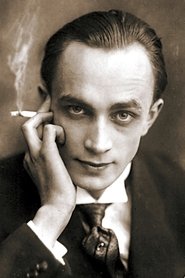
The production emerged from Sweden’s strong silent-film culture, in which literary adaptation and atmospheric rural storytelling were major commercial and artistic strengths. Gustaf Molander was well suited to the material because his work often emphasized character psychology and emotional nuance rather than spectacle. The casting of Conrad Veidt is particularly notable, since his presence suggests an ambition to make the film legible to international audiences familiar with major European silent stars. Like many silent-era literary adaptations, the film likely depended on carefully staged visual contrasts between storm imagery, domestic interiors, and communal gatherings to externalize the characters’ inner conflicts. Surviving production documentation is limited, so many specifics of shooting schedules, design teams, and on-set anecdotes are not widely recorded in standard film references.
Visual Style
As a silent Swedish drama, the film’s visual style would have relied on expressive composition, naturalistic lighting, and carefully staged landscape imagery to convey emotional and moral states. Storm sequences likely served as both literal spectacle and symbolic commentary, with the skies and weather functioning as extensions of the characters’ spiritual crisis. Swedish silent cinema of this period is known for restrained framing and a strong relationship between human drama and the natural environment, and this film fits that tradition. The visual design would have emphasized contrasts between the communal village space, the ancestral farm, and the more intimate interiors where personal loyalties are negotiated. Though detailed shot-by-shot cinematographic records are limited, the film likely uses the visual rhetoric common to Scandinavian silent melodrama: symbolic nature, expressive faces, and controlled but emotionally resonant staging.
Innovations
The film’s notable achievement lies less in experimental technique than in the high level of expressive silent-era craftsmanship typical of Swedish prestige productions. Its storm imagery and spiritual visions would have required strong visual planning to make the supernatural appear credible without dialogue or sound effects. The film also demonstrates the silent cinema’s ability to dramatize complex moral and religious conflict through performance, editing, and mise-en-scène alone. Its adaptation of literary material into a visually symbolic form is itself an important achievement, showing how silent Swedish cinema translated prose and folklore into screen drama.
Music
As a 1925 silent film, The Ingmar Inheritance did not have a synchronized recorded soundtrack in its original release. It would have been accompanied by live music in theaters, typically a pianist, organist, or small ensemble depending on venue and region. Specific original cue sheets or commissioned score information are not widely documented in readily available sources for this title. Any modern screenings may use a newly compiled accompaniment created for restoration or archival presentation.
Famous Quotes
null
Memorable Scenes
- The storm in which Ingmar imagines his ancestors appearing in the clouds, a supernatural vision that transforms his sense of duty and destiny.
- Helgum’s arrival in the village during the same tempest, bringing religious excitement and social upheaval with him.
- Ingmar’s emotional division between Gertrud and Barbro, dramatizing the conflict between romantic desire and practical inheritance.
Did You Know?
- The film is based on material from Selma Lagerlöf’s literary world, specifically the Ingmar saga associated with Swedish village life and inherited duty.
- It was directed by Gustaf Molander, who later became one of Sweden’s most prolific and respected directors.
- Conrad Veidt, already an internationally recognized silent-era star, appears in the cast, adding unusual transnational appeal for a Swedish production.
- Lars Hanson also appears in the film; he was one of the major Scandinavian actors of the silent era and later worked in Hollywood.
- The story revolves around the idea of land as moral inheritance rather than mere property, which is central to the Swedish literary source tradition.
- The preacher Helgum’s arrival reflects a recurrent Scandinavian literary and cinematic motif: the tension between revivalist religion and traditional community values.
- Because it is a silent film from the 1920s, the original presentation would have depended on live musical accompaniment rather than a fixed soundtrack.
- The film belongs to a period when Swedish cinema was especially admired abroad for its literary adaptations and restrained, naturalistic drama.
- It is not to be confused with later films adapting or referencing the Ingmar stories, especially Bergman’s 19th-century rural dramas with similar thematic concerns.
What Critics Said
Contemporary critical reception is not comprehensively documented in widely accessible modern references, but the film would likely have been assessed in relation to Swedish cinema’s strong reputation for literary adaptation and expressive acting. Critics of the era often valued productions that combined moral seriousness, picturesque landscapes, and strong performances, all elements this film appears to offer. In retrospect, the film is of interest less as a widely canonized masterpiece than as an example of the Swedish silent drama tradition and an early entry in the careers of its notable cast and director. Modern appraisal tends to focus on its historical value, its connection to Selma Lagerlöf, and its place within the larger constellation of Scandinavian silent films rather than on broad popular recognition.
What Audiences Thought
Audience reaction data is not well preserved in the readily available record, but the film’s themes suggest it was aimed at viewers who appreciated literary dramas, rural morality tales, and emotionally charged family conflicts. In the 1920s, Swedish audiences were accustomed to prestige adaptations and likely would have responded to the familiar cultural material and strong regional identity embedded in the story. The presence of well-known actors such as Conrad Veidt and Lars Hanson would also have been a draw for contemporary viewers. Today, its audience appeal is primarily among silent-cinema enthusiasts, Scandinavian film scholars, and viewers interested in adaptations of Selma Lagerlöf’s work.
Film Connections
Influenced By
- Selma Lagerlöf’s Ingmar stories
- Swedish rural literary tradition
- Silent-era moral melodrama
- Nordic pictorial naturalism
This Film Influenced
- Later Scandinavian literary adaptations
- Rural faith-and-family dramas in Swedish cinema
- Films exploring land inheritance and communal duty
You Might Also Like
More Drama Films
View allMore from Gustaf Molander
View allFilm Restoration
The film is not generally listed among entirely lost Swedish silent features, and at least references to it survive in archival and catalog records; however, the extent of surviving elements, restoration status, and print completeness are not consistently documented in commonly accessible sources. In practical terms, it should be treated as a rare archival title rather than a widely circulating preserved classic.