The Tyranny of Hate
Plot
Set in the early nineteenth century, The Tyranny of Hate centers on a long-running feud between the inhabitants of Ödemo and Rävgården, a conflict so old that it seems woven into the identity of both communities. As bitterness deepens, inherited suspicion and personal grievances keep the hostility alive, making reconciliation appear almost impossible. Against this backdrop, the film explores how hatred is passed down through generations and how entrenched enmity distorts ordinary life, relationships, and moral judgment. The story builds toward a confrontation in which the human cost of the feud becomes impossible to ignore, forcing the characters to confront whether loyalty to old animosities is worth the suffering it causes.
About the Production
The Tyranny of Hate was made during the late silent era of Swedish cinema, when Svenska Biografteatern was still a major force in Scandinavian film production. Like many Swedish films of the period, it was likely shot primarily on location and in studio interiors with an emphasis on natural landscapes, rural social conflict, and carefully staged tableau compositions. Detailed production records are limited, and surviving documentation does not appear to preserve a full day-to-day account of the shoot, but the film is associated with Gustaf Molander's early directing work before he became one of Sweden's best-known filmmakers. The film's historical setting and feud-driven premise fit the period's taste for literary, morally charged dramas.
Historical Background
The Tyranny of Hate was produced in Sweden shortly after the First World War, during a period when European cinema was recovering from wartime disruption and reasserting national identities through historical and rural dramas. In Sweden, film culture was especially strong in the 1910s and early 1920s, with studios and directors gaining an international reputation for literary adaptations, landscape realism, and psychologically serious storytelling. The film's setting in the early 1800s and its focus on a feud between communities would have resonated with contemporary audiences familiar with regional identity, class tension, and the lingering social importance of family honor. Its moral framework also reflects a broader Scandinavian tendency in silent cinema to treat social conflict not merely as spectacle but as an ethical and emotional problem with historical roots.
Why This Film Matters
Although not among the most internationally famous Swedish silent films, The Tyranny of Hate is significant as part of the body of early Scandinavian cinema that helped define the region's reputation for sober, humane, and visually expressive drama. Its interest lies in the way it dramatizes hatred as a hereditary social force, a theme that remains timeless and psychologically relevant. The film also illustrates Gustaf Molander's emergence as a director within a national cinema that valued character, moral consequence, and landscape-based storytelling. For film historians, it is an example of how Swedish silent films often combined literary seriousness with accessible melodrama, helping shape the artistic prestige later associated with Swedish screen culture.
Making Of
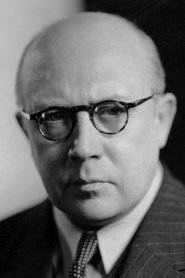
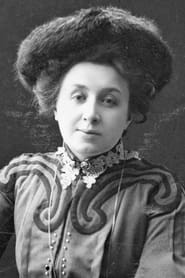
The Tyranny of Hate was produced in a period when Swedish filmmakers were refining a distinctly Nordic style built around strong atmospheric settings, moral conflict, and restrained melodrama. Gustaf Molander was still early in his directorial career, and the film reflects the era's preference for stage-trained acting combined with expressive silent-era visual storytelling. Cast members such as Hilda Castegren and Egil Eide came from a theatrical tradition that helped bring seriousness and emotional clarity to early Swedish screen drama. Specific behind-the-scenes anecdotes, production difficulties, and surviving correspondence are not widely documented, but the film likely benefited from the disciplined production methods of Svenska Biografteatern, which was one of the country's leading studios at the time.
Visual Style
The film belongs to the visual tradition of early Swedish silent cinema, which typically favored carefully composed shots, strong use of landscape, and restrained but purposeful staging. Rather than relying on rapid cutting, films of this kind often built dramatic tension through tableau-style blocking and expressive framing that emphasized social relationships within a physical environment. If location shooting was used, as was common in Swedish cinema of the period, the rural settings would have added authenticity and emotional weight to the feud narrative. The cinematography likely supported the story's atmosphere of inherited conflict by contrasting the beauty of the landscape with the ugliness of communal hatred.
Innovations
The film does not appear to be associated with a specific technical innovation in the way some later landmark films are, but it is representative of the polished craftsmanship of Swedish silent drama. Its achievement lies in the use of atmosphere, performance, and composition to translate a morally charged feud story into visual terms without sound. Early Swedish films were noted for their integration of natural settings and emotional restraint, and this film likely participates in that tradition. Its value to historians is more aesthetic and industrial than technologically groundbreaking.
Music
As a silent film, The Tyranny of Hate did not have a synchronized recorded soundtrack at its original release. Like most silent-era films, it would have been accompanied in theaters by live music, often improvised or assembled from cue sheets and local musical practice, depending on the venue. No definitive original score is widely documented in accessible sources. Modern screenings, if any, may use archival accompaniment or newly commissioned music depending on the presenting institution.
Famous Quotes
No verified spoken dialogue survives for this silent film.
No widely documented intertitle quotations are available in accessible sources.
Memorable Scenes
- The opening establishment of the ancient feud between Ödemo and Rävgården, which sets the emotional and social stakes of the story.
- The scenes in which inherited hostility overwhelms everyday human relations, illustrating how the feud has become larger than the individuals caught inside it.
- The likely confrontation sequences in which the moral cost of hatred is brought to the forefront through silent-era staging and expressive performance.
Did You Know?
- The film is a Swedish silent drama from 1920 and should not be confused with later films of similar moral or melodramatic themes.
- It was directed by Gustaf Molander, who would later become a major figure in Swedish cinema and one of the key directors associated with Nordic dramatic filmmaking.
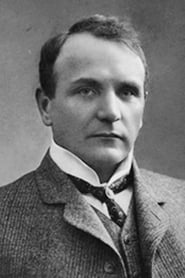
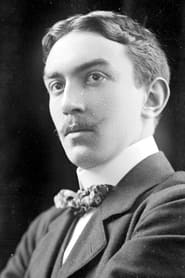
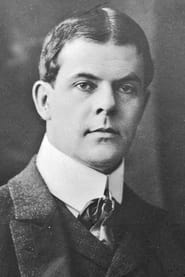
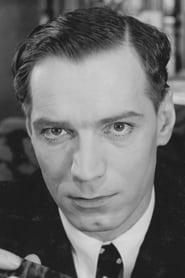
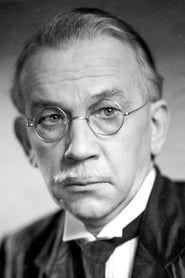
- The cast includes Hilda Castegren, Egil Eide, and Frans Enwall, all of whom were active in early Scandinavian film and stage performance.
- Its story is rooted in a generational feud, a plot device common in Nordic drama because it allowed filmmakers to explore inheritance, family loyalty, and social division.
- The title reflects the moral emphasis typical of silent-era Scandinavian drama, where abstract forces such as hate, guilt, or duty were often personified as destructive powers.
- Because the film is from the silent era, surviving information about dialogue intertitles, publicity copy, and exact running time can vary across archival sources.
- The film belongs to a period when Swedish cinema was internationally respected for its literary ambition and serious treatment of rural life and social conflict.
- Modern database records for the film are relatively sparse, which is common for many Scandinavian silent productions that did not circulate as widely as Hollywood releases.
What Critics Said
Contemporary critical records for The Tyranny of Hate are limited and not widely preserved in accessible English-language sources, so its immediate reception cannot be reconstructed in full detail with confidence. As with many Swedish silent dramas of the period, it likely appealed to audiences and reviewers who appreciated serious storytelling, strong performances, and moral conflict grounded in recognizable social settings. In modern scholarship, the film is mainly valued as an early Gustaf Molander work and as part of the broader silent-era Swedish dramatic tradition rather than as a heavily studied masterwork. Its historical interest now outweighs its present-day popular visibility, which is common for many films of this era.
What Audiences Thought
Audience response is not well documented in surviving sources, and there are no reliable box-office records available for the film. Given the popularity of Swedish rural and moral dramas in the period, it likely found an audience among viewers who enjoyed emotionally direct stories with historical settings and clear ethical stakes. Today it is largely a title of interest to silent-cinema enthusiasts, archivists, and scholars rather than a widely screened repertory favorite. Its obscurity is due more to the survival and distribution patterns of silent films than to any known lack of interest at the time of release.
Film Connections
Influenced By
- Swedish rural dramas of the 1910s
- Literary feud narratives and moral dramas
- Theatrical melodrama traditions
This Film Influenced
- Later Swedish village and family-feud dramas
- Subsequent Gustaf Molander dramatic works
You Might Also Like
More Drama Films
View allMore from Gustaf Molander
View allFilm Restoration
Preservation status is uncertain in readily accessible public sources. The film is documented in film databases, but a clear, universally cited statement about whether a complete print survives, survives partially, or is considered lost was not readily verifiable from the available information. It may exist in archival holdings or as a reference title in Scandinavian film archives, but definitive confirmation should be checked against national film archive records.