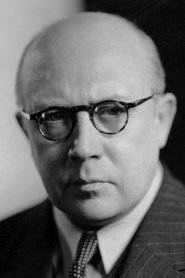
Gustaf Molander
Director
- Born
- November 18, 1888, Helsinki, Grand Duchy of Finland, Russian Empire
- Died
- June 30, 1973
- Active
- 1910s-1960s
Films directed 2
About Gustaf Molander
Gustaf Molander was a major Swedish film director whose career bridged the silent era, the introduction of sound, and the mature studio period of Scandinavian cinema. Born in Helsinki in 1888, then part of the Russian Grand Duchy of Finland, he became one of the most productive and respected figures in Swedish film, building a reputation for polished craftsmanship, literary adaptations, and emotionally nuanced drama. He first worked in the theater and then moved into film, where he quickly established himself at Svensk Filmindustri, the most important Swedish studio of the period. Although he is often associated with prestige drama, his body of work is broad and includes historical epics, romance, family drama, and intimate character studies. Molander directed many of the country’s leading performers, including Ingrid Bergman in some of her early Swedish films, and he played an important role in shaping the professional standards of Swedish screen acting and production. Over a long career he directed dozens of features, and his influence extended well beyond the silent era into postwar Swedish cinema. He died in Stockholm in 1973, leaving behind one of the most substantial directorial legacies in early Nordic film history.
More about Gustaf Molander
Behind the camera
Molander's directing style is generally associated with refined, classical storytelling, strong emphasis on performers, and careful adaptation of literary material. He favored clear dramatic structure, elegant pacing, and a sober emotional tone that suited both historical subjects and intimate domestic drama. In the silent period he worked within the visual traditions of Scandinavian cinema, using composed imagery and expressive staging rather than flashy technique. In the sound era his films often stressed dialogue, performance detail, and psychological realism, reflecting his background in theater and his interest in character-driven narratives.
In film history
Gustaf Molander was one of the key architects of Swedish prestige filmmaking, helping establish a style that balanced literary seriousness, emotional restraint, and professional polish. His films contributed to the international reputation of Swedish cinema as intellectually serious and visually elegant, especially in the decades when Scandinavian filmmaking was closely watched by European critics. By directing major actors at crucial moments in their careers, he also helped shape the performance tradition that became a hallmark of Swedish screen acting. His work forms an important bridge between the expressive silent cinema of the 1920s and the psychologically grounded sound cinema that followed.
Later reputation
Molander's legacy rests on the breadth and durability of his output, as well as on his role in mentoring and presenting major Swedish performers to the screen. He is remembered as a dependable master craftsman who could handle adaptation, melodrama, romance, and social drama with equal assurance. Film historians value him not only for individual titles but for the continuity he provided across several changing eras of cinema. His career also matters because it demonstrates how Swedish film culture developed a strong studio tradition parallel to, and sometimes in dialogue with, larger European cinemas.
Influence
Molander influenced later Swedish directors through his emphasis on actor-centered storytelling, literary adaptation, and restrained emotional expression. His work helped establish a professional model for how Swedish screen dramas could be made with elegance and seriousness while remaining accessible to audiences. He also had direct influence through collaboration, especially in helping early-career actors such as Ingrid Bergman gain screen experience in well-made productions. In a broader sense, his films helped normalize a classical Scandinavian style that valued nuance over spectacle.
Off screen
Gustaf Molander was born into a theatrical family and came from a cultural environment that naturally led him toward the performing arts. He was the son of actor and theater director Harald Molander, which gave him early exposure to stagecraft, acting, and production discipline. His private life is less extensively documented in standard film histories than his professional life, and much of the surviving scholarship focuses on his large body of work rather than domestic details. He had family ties to the Swedish theater and film world, and the Molander name remained important in Scandinavian performing arts for years. Beyond these broad facts, detailed personal information is comparatively sparse in commonly cited reference sources.
Education
He was trained primarily through the theater and practical stage experience rather than through a formally documented academic film education. His early artistic formation appears to have come from family influence and professional theatrical work.
Credits
- Established himself as one of the leading directors at Svensk Filmindustri during the silent era
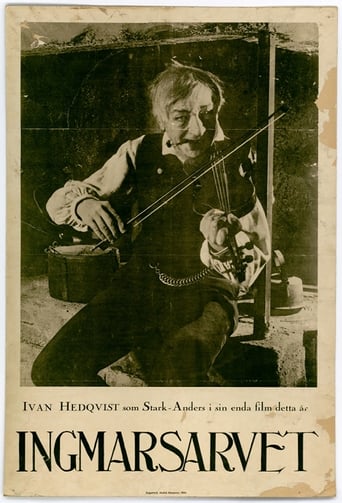
- Directed major Swedish literary and historical adaptations in the 1920s, including The Tyranny of Hate (1920) and The Ingmar Inheritance (1925)
- Helped define the polished, actor-centered style associated with Swedish prestige cinema
- Worked successfully across silent film and sound film, remaining active for decades as the industry changed
- Directed Ingrid Bergman in early Swedish productions, contributing to her development before her Hollywood career
- Built one of the most durable directorial filmographies in Swedish cinema, spanning multiple eras and genres
Films
- The Tyranny of Hate (1920)
- The Ingmar Inheritance (1925)
- Intermezzo (1936)
- June Night (1940)
- A Life for a Life (1940)
- Woman Without a Face (1947)
- Torment (1944)
Awards
- No major international awards are reliably documented in the available historical record
Nominations
- No specific award nominations are reliably documented in the available historical record
Honors
- Recognized as a major figure in Swedish cinema history
- Widely included in discussions of the classical Scandinavian film tradition
Collaborators
- Ingrid Bergman
- Victor Sjöström
- Gösta Ekman
- Sickan Carlsson
- Hasse Ekman
- Swedish writers and playwrights adapted for the screen
Studios
- Svensk Filmindustri
- Swedish stage and theater institutions
Family
- Information not reliably documented in the available record
Notes
- He was born in Helsinki, but became a central figure in Swedish film culture.
- He came from a theatrical family, which strongly shaped his artistic path.
- He was one of the directors associated with the golden age of Swedish silent cinema.
- He directed both silent films and sound films successfully across a very long career.
- He worked with Ingrid Bergman before her international fame.
- He is often remembered as a director of adaptations and psychologically detailed drama.
- His career stretched across several major phases of twentieth-century Swedish cinema.
- He was also active in the theater world, which influenced his screen direction.
Questions
Who was Gustaf Molander?
Gustaf Molander was a Swedish film director who became one of the most important figures in Scandinavian cinema from the silent era through the mid-twentieth century. He was known for polished, actor-focused dramas and literary adaptations, and he helped shape the professional style of Swedish studio filmmaking.
What films is Gustaf Molander best known for?
He is especially known for The Tyranny of Hate (1920), The Ingmar Inheritance (1925), Intermezzo (1936), June Night (1940), A Life for a Life (1940), Woman Without a Face (1947), and Torment (1944). These films reflect his range across silent epic, romance, and psychological drama.
When was Gustaf Molander born and when did he die?
He was born on November 18, 1888, in Helsinki, then part of the Grand Duchy of Finland under the Russian Empire. He died on June 30, 1973, in Stockholm, Sweden.
What awards did Gustaf Molander win?
No major international awards are reliably documented in the standard available record for Molander. His importance is primarily historical and artistic, recognized through his reputation in Swedish and Scandinavian film history rather than through a long list of formal prizes.
What was Gustaf Molander's directing style?
Molander's style was classical, refined, and strongly centered on performance. He favored clear narrative construction, literary material, and nuanced emotional drama, working in a way that made actors and character relationships the main focus of the film.
What was Gustaf Molander's legacy in film history?
His legacy lies in helping define Swedish prestige cinema and in bridging silent film, early sound cinema, and the mature studio era. He is remembered as a master craftsman who influenced Swedish screen acting and helped launch or support important careers, including that of Ingrid Bergman.