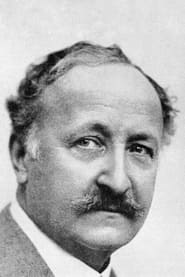
August Palme
Actor
- Active
- 1920-1920
Films 1
About August Palme
August Palme is an obscure silent-era screen actor credited in the 1920 German film The Tyranny of Hate (German title: Der Tyrann der Liebe/Hass-related cataloging varies in surviving records), but surviving reference sources provide very little verified biographical detail about his life. He appears to have worked at the very end of the silent-film period in Central European cinema, likely in a supporting capacity rather than as a major star. No reliable, widely cited filmography beyond his 1920 screen credit is readily documented in standard public reference sources, which suggests that his career may have been brief, locally documented, or lost to incomplete archival records. Because the available evidence is so sparse, it is not currently possible to reconstruct a full career arc, personal background, or later life with confidence. In film-historical terms, he represents the many performers whose contributions to early cinema are preserved only in cast lists and fragmentary production documentation. Further archival research in German, Austrian, or trade-period sources would be necessary to verify additional credits or biographical facts. At present, he should be treated as a documented but poorly known silent-era actor associated with early 1920s European filmmaking.
More about August Palme
In film history
August Palme does not appear to have had a large measurable public profile or a documented star career, but he is still part of the historical fabric of silent cinema. Performers like Palme mattered to the production ecosystem of early film, where many actors worked across short runs, regional companies, and films that are now partially lost or poorly cataloged. His preserved credit in The Tyranny of Hate demonstrates how silent-era cinema often survives through uneven archival traces, making even minor participants significant to reconstruction of film history. In that sense, his cultural importance is less about celebrity and more about the survival of evidence for a broader, international silent-film workforce. For database and archival purposes, his name helps illuminate the scale and diversity of early European screen production.
Later reputation
Palme's legacy is primarily archival rather than star-based: he remains a named participant in a 1920 silent production, which places him within the surviving record of early European cinema. Because so little biographical information has survived or been widely indexed, he is representative of countless actors whose screen work has been reduced to a single surviving credit. This makes him important to historians concerned with completeness, cast reconstruction, and the preservation of cinema's early labor history. Any future rediscovery of production records, contemporary press, or regional film registries could substantially expand what is known about him. Until then, his enduring legacy is his documented presence in the silent-film era and the reminder that many film pioneers remain only partially visible in the historical record.
Influence
There is no verifiable evidence that August Palme had a documented influence on later actors or directors, and no known teaching, mentorship, or direct legacy network can be established from current sources. His influence is best understood indirectly, as part of the collective body of performers who sustained silent-era filmmaking in Europe. In that broader sense, he contributed to the performance traditions, production practices, and screen culture that later filmmakers inherited. However, no specific artist, movement, or acting school can be confidently linked to him on the basis of available documentation.
Credits
- Screen credit in the 1920 silent film The Tyranny of Hate, the only widely documented film association currently identifiable
- Participation in early European silent cinema during the immediate post-World War I period
- Representation of the many lesser-documented performers whose work survives primarily through cast records rather than extensive biographical coverage
Roles
- Role in The Tyranny of Hate (1920) - specific character name not securely verified
Films
- The Tyranny of Hate (1920)
Notes
- He is currently known to film historians primarily through a single surviving screen credit.
- His best-documented appearance is in The Tyranny of Hate (1920).
- No widely verified birth or death information is readily available in standard public film references.
- He appears to have worked during the silent era, before the introduction of synchronized sound in cinema.
- His career is an example of how many early film performers survive in the record only as names in cast lists.
- Because his documentation is sparse, he is a useful case for archival research into lost or under-indexed European film personnel.
Questions
Who was August Palme?
August Palme was a silent-era actor known from surviving records for appearing in the 1920 film The Tyranny of Hate. Very little verified biographical information about him has survived in widely accessible sources, so he is best understood as an obscure but documented early cinema performer.
What films is August Palme best known for?
He is currently best known for The Tyranny of Hate (1920), which is the only widely documented screen credit readily associated with his name. Additional film appearances may have existed, but they are not securely verified in the available public record.
When was August Palme born and when did he die?
His birth and death dates are not currently verified in the accessible historical record. Standard public sources do not provide reliable biographical dates for him at this time.
What awards did August Palme win?
No awards or formal honors are currently documented for August Palme in the surviving public record. He appears to have been a lesser-known working actor rather than a decorated star of the silent era.
What was August Palme's acting style?
His acting style is not specifically documented in surviving critical sources. Given his silent-era context, he would have worked within the expressive, physically communicative performance style typical of early film acting, but no detailed stylistic assessment can be verified.
What is August Palme's legacy in film history?
His legacy lies mainly in his presence within the archival record of early silent cinema. Even with minimal biographical information, his credit helps historians reconstruct the people who contributed to European filmmaking in the early 1920s.