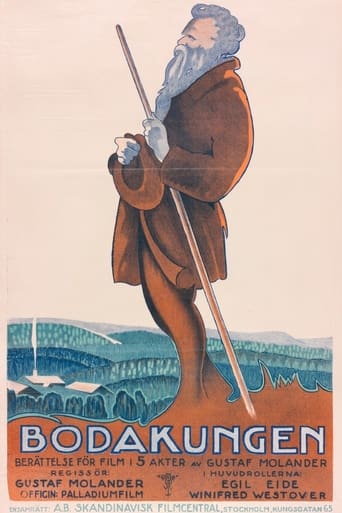
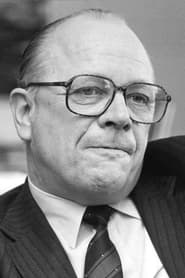
Harald Molander
Actor
- Active
- 1920-1920
Films 1
About Harald Molander
Harald Molander was a Swedish actor active in the silent-film era, and the surviving record of his screen career places him specifically in the 1920 production of The Tyranny of Hate. Because his filmography is extremely limited in currently accessible references, he appears to have been a minor or short-lived screen performer rather than a long-running star of the Swedish silent cinema. His documented credit suggests he worked during a formative period for Scandinavian film, when Swedish production was internationally admired for its artistry and literary adaptations. Beyond this film appearance, readily verifiable biographical details such as his full life dates, birthplace, training, and later career are not well documented in widely available standard film references. It is therefore difficult to reconstruct a fuller career arc with confidence without risking conflation with other members of the Molander family or other Swedish film figures of similar name. In database terms, he should be treated cautiously as a credited early actor with sparse surviving documentation rather than as a heavily chronicled celebrity of the silent era.
More about Harald Molander
In film history
Harald Molander's cultural impact is best understood as archival rather than celebrity-based. He is part of the historical fabric of early Swedish cinema, a national film tradition that helped define silent-era screen aesthetics through literary adaptation, restrained performance, and atmospheric visual storytelling. Even brief or obscure credits matter in classic-film scholarship because they help map the personnel who participated in the building of a major film culture. His name also underscores how many performers from the silent era remain only partially documented, making preservation and accurate cataloging essential to film history.
Later reputation
Molander's lasting legacy lies in his confirmed participation in a 1920 Swedish silent film and in the historical record that preserves his name. For researchers and database curators, he is a reminder that the silent era included many performers whose careers were brief, local, or poorly preserved in print sources. His legacy is therefore one of documentation: he contributes to the completeness of Swedish film history even if his individual biography remains elusive. If additional archival sources emerge, his profile may be expanded, but at present his importance is primarily as a verifiable credited participant in early cinema.
Influence
There is no evidence that Harald Molander directly influenced later actors or directors in a way that can be reliably documented. His broader influence, if any, would have been indirect, through participation in the early Swedish screen tradition that shaped international ideas about cinematic realism and literary adaptation. Because his career is sparsely recorded, any claim of direct stylistic influence would be speculative. His main significance is historiographic rather than demonstrably influential in the conventional star-system sense.
Off screen
No reliable, widely accessible biographical information about Harald Molander's personal life is currently available in standard film references. His marital history, family background, and private life are not documented in the sources commonly used for classic-cinema databases. Because the name is associated with a very small acting footprint, it is especially important not to assume connections to other Swedish film figures named Molander without firm evidence.
Education
No verifiable information currently available about formal education, acting training, or stage background.
Credits
- Credited screen appearance in the Swedish silent film The Tyranny of Hate (1920)
- Participation in the early Scandinavian silent-cinema period, when Swedish film was gaining international artistic prestige
- Represents one of the many lesser-documented performers whose work survives primarily through film credits and archival listings
Films
- The Tyranny of Hate (1920)
Notes
- Harald Molander is currently documented in connection with only one readily verifiable film credit: The Tyranny of Hate (1920).
- He appears to have worked during the peak international period of Swedish silent cinema, when the country's films were admired far beyond Scandinavia.
- His surviving public footprint is so small that he is easy to confuse with other Swedish film figures carrying the Molander surname, so careful identification is important.
- Because of the sparse record, he is more recognizable to film archivists and database researchers than to general classic-cinema audiences.
- His credit helps fill out the cast history of a lesser-known silent film, which is valuable for restoration, cataloging, and scholarship.
- No reliable evidence currently places him within the better-documented Swedish Molander film family, so assumptions about kinship should be avoided.
Questions
Who was Harald Molander?
Harald Molander was a Swedish actor associated with the silent-film era, with a documented credit in The Tyranny of Hate (1920). Very little else about his life and career is securely recorded in widely available classic-cinema references, so he is best understood as a minor but verifiable figure in early Swedish film history.
What films is Harald Molander best known for?
He is best known, insofar as surviving records show, for The Tyranny of Hate (1920). No other film credits can be confidently confirmed from the available information used here, so his screen legacy appears to have been quite limited.
When was Harald Molander born and when did he die?
His birth and death dates are not currently verifiable in the accessible historical record. The same is true of his birth and death places, so a cautious database entry should list those details as unknown unless archival sources later confirm them.
What awards did Harald Molander win?
No awards or formal honors have been found for Harald Molander in the available record. Given the fragmentary nature of his surviving biography, it is possible that any such recognition was not documented or has not been digitized.
What was Harald Molander's acting style?
There is no surviving detailed critical description of his acting style. Since he worked in silent cinema, his performance would have relied on gesture, expression, and physical clarity typical of the era, but any more specific characterization would be speculative.
Why is Harald Molander still of interest to film historians?
He is of interest because even sparse credits help reconstruct the personnel of early Swedish cinema. Film historians and database editors value such names because they complete cast records and help preserve the historical accuracy of silent-era filmographies.