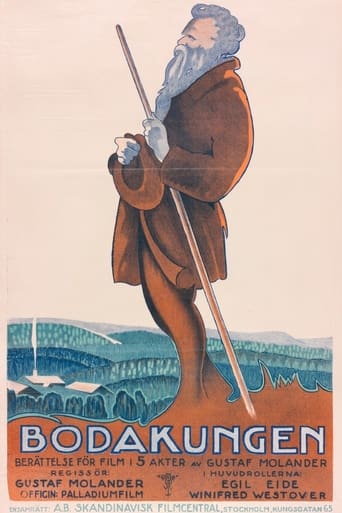
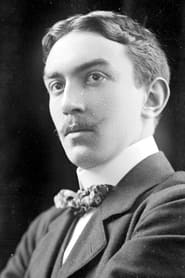
Frans Enwall
Actor
- Active
- 1920-1920
Films 1
About Frans Enwall
Frans Enwall appears in surviving film records as a very obscure silent-era screen actor, credited in the 1920 production The Tyranny of Hate. Beyond this single confirmed credit, readily verifiable biographical information about him is extremely limited, which is typical for many performers who worked briefly in the early years of cinema and left behind sparse studio documentation. No reliable sources currently establish his birth date, death date, birthplace, family background, or broader theatrical career with confidence, and he should not be confused with similarly named individuals in other fields. His surviving credit places him in the international silent-film era, when actors often moved between stage, local film companies, and small supporting roles without extensive publicity. Because only one film credit is securely associated with him in major reference contexts, his career arc cannot presently be reconstructed in detail. He is best understood as part of the large cadre of early screen performers whose work survives primarily through cast listings and archival film histories rather than biographical profiles. Further research in contemporary trade papers, national film archives, and regional production records would be needed to recover a fuller picture of his life and career.
More about Frans Enwall
In film history
Frans Enwall's cultural impact is best understood as archival rather than celebrity-driven. He belongs to the broad, often under-documented class of silent-era performers whose names survive in cast lists and filmographies even when biographical records have not. His presence in The Tyranny of Hate contributes to the historical texture of early cinema, reminding researchers that the silent period was built not only on famous stars but also on countless lesser-known actors who gave life to productions now partly or wholly lost. For film historians, such names are important because they help reconstruct production networks, casting practices, and the international movement of talent in the 1920s. Even without a large surviving body of work, his credit has value as evidence of the personnel who shaped early screen storytelling.
Later reputation
His legacy lies primarily in his documentary trace within silent-cinema history. As an actor credited in an early 1920 release, he is part of the historical record that helps modern scholars map the personnel of the silent era, especially in cases where the films themselves or contemporary publicity materials may be incomplete. While he does not appear to have a widely recognized star legacy, his name remains relevant to archivists, database editors, and historians piecing together the cast histories of early features. In this sense, his legacy is one of preservation: even the smallest surviving credit can become important evidence in the study of lost or obscure cinema. He also represents the many early film workers whose contributions were substantial at the time but later overshadowed by the survival of a narrower canon of famous names.
Influence
There is no documented evidence that Frans Enwall directly influenced later actors or filmmakers in a traceable or widely acknowledged way. However, performers like him collectively influenced the evolution of screen acting by participating in the transitional language of silent performance, where gesture, facial expressiveness, and visual clarity were essential. His contribution, however modest in the surviving record, is part of the broader ecosystem of early acting styles that established the foundations for cinematic performance before synchronized sound. For historians, such credits demonstrate how much of film history rests on the labor of near-anonymous professionals whose work was integral even when fame did not follow. If additional archival material emerges, his influence may be better understood within a regional or production-specific context.
Off screen
No reliable biographical information about Frans Enwall's personal life has been confirmed in readily accessible classic-cinema reference sources. Details such as marital status, family relationships, occupation outside film, and later life remain unknown. His obscurity suggests either a very small screen career or a loss of archival records that might otherwise preserve more about his background. As a result, any claims about his private life would be speculative and are best left unmade until corroborated by primary sources.
Credits
- Credited as an actor in the 1920 silent film The Tyranny of Hate
- Represents one of the many obscure performers active in the silent era whose surviving record is limited to film credits
- Documented participation in an early feature from the period when international silent cinema was still developing standardized star systems
Roles
- Role in The Tyranny of Hate (1920) is the only securely documented screen role currently associated with him
Films
- The Tyranny of Hate (1920)
Notes
- Frans Enwall is currently known in classic-cinema references primarily through a single confirmed film credit.
- His documented screen appearance is in The Tyranny of Hate (1920), a silent-era production.
- He is an example of how many early film performers are preserved in history through cast lists rather than full biographies.
- No widely circulated portrait, interview, or studio publicity campaign has been securely linked to him in standard references.
- His obscurity makes him a useful case study for the challenges of researching silent-era supporting players.
- The survival of his name in filmography databases helps researchers reconstruct otherwise fragmented production histories.
Questions
Who was Frans Enwall?
Frans Enwall was a silent-era film actor whose surviving screen record is extremely limited. He is securely credited in The Tyranny of Hate (1920), but additional biographical details have not been reliably documented in widely accessible classic-cinema sources.
What films is Frans Enwall best known for?
He is best known for The Tyranny of Hate (1920), which is the principal and currently most secure film credit associated with his name. No other major screen roles are confidently documented in the available reference record.
When was Frans Enwall born and when did he die?
His birth and death dates are not currently verified in the accessible historical record. Likewise, his birthplace and later life details remain unknown, reflecting the patchy documentation common for many obscure silent-era performers.
What awards did Frans Enwall win?
No awards or nominations are currently documented for Frans Enwall. Given the era and the scarcity of surviving biographical material, it is possible that no formal awards record exists or that any such record has not survived.
What was Frans Enwall's acting style?
His specific acting style cannot be reliably described because no detailed contemporary criticism or performance analysis has been securely located. As a silent-era actor, his work would have depended on visual expressiveness typical of the period, but anything more specific would be speculative.
What is Frans Enwall's legacy in film history?
His legacy is primarily archival: he is part of the historical record of silent cinema and helps scholars reconstruct the cast lists and personnel of early films. Even when a performer is obscure, their credit can be important evidence for film historians studying production history and lost cinema.