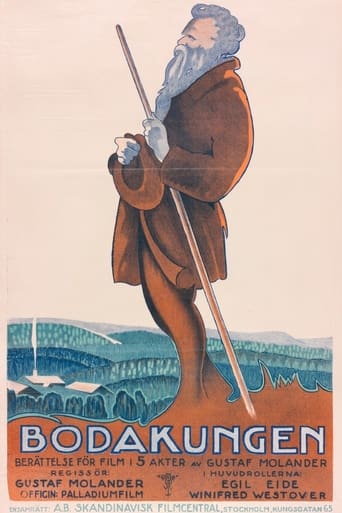
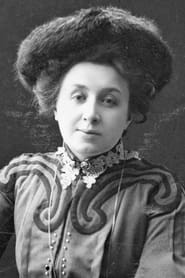
Hilda Castegren
Actor
- Active
- 1919-1920
Films 2
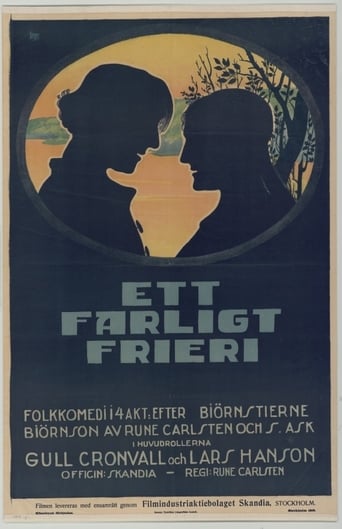
About Hilda Castegren
Hilda Castegren was a Swedish silent-film actress whose screen career is documented in the late 1910s and early 1920s, a period when the Swedish film industry was producing internationally respected dramas and literary adaptations. Available film records place her in A Dangerous Courtship (1919) and The Tyranny of Hate (1920), suggesting that she worked during the peak years of Sweden's prestige silent era. Beyond these credited appearances, relatively little widely published biographical detail survives in mainstream English-language film references, which is not uncommon for performers whose careers were brief or whose work was concentrated in regional cinema archives. Her filmography indicates participation in serious dramatic productions rather than light comedy or serial work, aligning her with the more restrained performance traditions of Scandinavian silent cinema. Because surviving documentation is limited, many aspects of her life outside these film credits remain obscure, and no reliable public record confirms a later screen career in the sound era. Even so, her name remains part of the historical record of early Swedish cinema, where numerous actors contributed to films that helped define the artistic reputation of the country's silent period. She is best understood today as a preserved but little-documented figure from the international silent-film era.
More about Hilda Castegren
On screen
No detailed contemporary criticism of Hilda Castegren's acting style is readily available in surviving mainstream sources, but her placement in early Swedish silent dramas suggests a performance mode likely grounded in restrained expression, emotionally legible gesture, and the naturalistic intensity associated with Scandinavian silent cinema. Films from this tradition typically favored subtle facial expression and psychologically credible behavior over broad theatricality, so her work was likely shaped by that aesthetic. Because no substantial review corpus or interview record survives in widely accessible sources, any more specific description would be speculative.
In film history
Hilda Castegren's cultural impact lies less in celebrity than in historical presence: she is part of the working fabric of Sweden's silent-film industry during one of its most artistically respected moments. Performers like Castegren helped populate the melodramas and literary adaptations that gave Scandinavian cinema its serious international reputation, even when their individual biographies were not extensively recorded. Her surviving credits offer evidence of the breadth of talent involved in early Swedish production and remind modern viewers that film history is built not only on major stars but also on many supporting artists whose names persist in cast lists and archival records. In this way, her importance is archival as much as artistic, helping scholars map the personnel and creative networks of silent-era filmmaking.
Later reputation
Hilda Castegren's legacy is primarily one of preservation through credit: she remains a named participant in early Swedish silent cinema, a field whose documentation is often incomplete but highly valued by film historians. Even with limited biographical data, her screen appearances contribute to the reconstruction of national film history and the study of performance practices in the silent era. Her name endures because modern databases, filmographies, and archival references continue to recover and maintain records of performers who might otherwise disappear from public memory. For researchers of classic cinema, she represents the many artists whose work underpinned the artistic achievements of the Scandinavian silent film tradition.
Influence
There is no documented evidence that Hilda Castegren directly mentored later performers or that she became a widely cited influence on subsequent actors or directors. Her broader influence is indirect: by participating in early Swedish dramatic cinema, she contributed to the body of work that shaped expectations for performance style in that national tradition. The cumulative effect of such actors helped establish the mood, seriousness, and psychological nuance associated with Swedish silent films, which in turn influenced international perceptions of the medium.
Off screen
There is no reliably documented public biographical information in widely available sources about Hilda Castegren's personal life, including marriages, family background, or later activities. This lack of documentation is typical for some silent-era performers, especially those whose careers were short and whose publicity materials have not been widely preserved or digitized. As a result, her off-screen life remains largely unknown to modern researchers unless further archival material is discovered.
Credits
- Appeared in the Swedish silent drama A Dangerous Courtship (1919).
- Appeared in The Tyranny of Hate (1920), another surviving credit from the height of the Swedish silent era.
- Worked during the internationally admired period of Scandinavian silent cinema, when Swedish films were gaining prestige for their literary seriousness and visual composition.
- Represents one of the many lesser-documented performers whose work survives primarily through film credits and archival databases rather than extensive contemporary publicity.
- Contributed to the historical record of early 20th-century Swedish screen acting, particularly in serious dramatic productions.
Roles
- Performer in A Dangerous Courtship (1919)
- Performer in The Tyranny of Hate (1920)
Films
- A Dangerous Courtship (1919)
- The Tyranny of Hate (1920)
Notes
- Hilda Castegren's surviving filmography, in commonly accessible sources, is very short, with just a small number of credited silent-era appearances preserved.
- Her known films date from 1919 and 1920, placing her career squarely in the late silent period rather than the sound era.
- She appears to have worked in Sweden, making her part of the country's influential early cinema history.
- No widely verified birth or death details are readily available in mainstream English-language reference sources.
- Because her documentation is sparse, she is one of many silent-era performers whose legacy survives mainly through film credits rather than interviews or publicity portraits.
- Her credited films suggest involvement in dramatic rather than comedic or action-oriented storytelling.
- Researchers interested in Swedish film history may encounter her name while tracing cast lists from the country's prestige silent productions.
Questions
Who was Hilda Castegren?
Hilda Castegren was a Swedish silent-film actor whose documented screen work dates to 1919 and 1920. She is remembered primarily for appearing in early dramatic films from the Swedish silent era, although detailed biographical information about her life is scarce.
What films is Hilda Castegren best known for?
She is best known for A Dangerous Courtship (1919) and The Tyranny of Hate (1920). These are the principal surviving credits commonly associated with her name in filmographies.
When was Hilda Castegren born and when did she die?
Her birth and death dates are not readily available in widely accessible reference sources. Likewise, her birthplace and death place are not clearly documented in the public record currently available.
What awards did Hilda Castegren win?
No awards or nominations are currently documented for Hilda Castegren in the available historical record. This is not unusual for many silent-era performers, especially those whose careers were brief or whose work was not heavily publicized.
What was Hilda Castegren's acting style?
A detailed critical description of her acting style has not survived in easily accessible sources. Based on the Swedish silent dramas in which she appeared, her performance style was likely aligned with the restrained, emotionally precise approach typical of Scandinavian silent cinema.
What is Hilda Castegren's legacy in film history?
Her legacy is that of a documented participant in Sweden's important silent-film period. Even with limited personal biographical details, her surviving credits help historians reconstruct the cast and performance culture of early Scandinavian cinema.