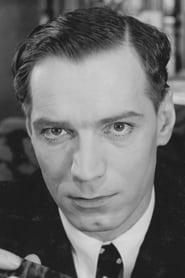
Uno Henning
Actor
- Active
- 1919-1920
Films 2
About Uno Henning
Uno Henning was a Swedish actor of the silent-film era whose screen career was concentrated in the late 1910s and early 1920s. He is documented in surviving filmographies for appearances in productions such as A Dangerous Courtship (1919) and The Tyranny of Hate (1920), placing him among the many Scandinavian performers who worked during the transitional years of silent cinema. Like many actors of the period, he appears to have built his screen identity through a small number of credited roles rather than a long, widely publicized star career. Because the historical record on him is limited, comparatively little is known today about his private life, training, or later activities, but his credits confirm that he was active during a formative moment for Nordic and European film. His surviving screen record suggests participation in melodramatic and socially tinged silent features, genres that were central to Scandinavian cinema at the time. Uno Henning remains a minor but legitimate figure of silent-era film history, remembered chiefly through archival filmographies and database records rather than extensive contemporary publicity. Further details of his life may survive only in specialized national film archives or print-era trade sources.
More about Uno Henning
On screen
Specific descriptions of Uno Henning's acting style are not well preserved in available historical records. Given the period in which he worked, his performances would have relied on silent-film techniques such as expressive facial gesture, controlled body language, and clear visual storytelling. The surviving record does not provide enough evidence to identify a distinct personal style, but his work would likely have been shaped by the restrained yet emotionally legible performance conventions common in Scandinavian silent drama.
In film history
Uno Henning's cultural impact is best understood as archival and historical rather than star-driven. He is part of the broad, international body of silent-era performers whose work helped establish the visual language of early screen acting, especially in European cinema where expressive performance was central to storytelling before synchronized sound. Even when an actor's surviving profile is modest, those credits contribute to the preservation of national film histories and help researchers reconstruct production networks, casting practices, and genre trends of the period. His presence in films from 1919 and 1920 places him within an important transitional era when silent cinema had matured artistically but was still several years away from the sound revolution. For database and archival purposes, he represents the many under-documented artists whose work forms the fabric of early film history.
Later reputation
Uno Henning's lasting legacy lies in his confirmed participation in early Swedish silent cinema, especially in films that survive in filmographies and historical indexes. While he does not appear to have become an international star or a major public celebrity, his documented credits make him a verifiable part of the silent-film record. That matters because the history of early cinema is built not only from famous directors and marquee names, but also from the many actors whose careers were brief or lightly documented. For historians and collectors, such names are important clues in reconstructing the industrial and artistic landscape of the era. His legacy is therefore one of presence in the record: a real working actor whose contributions remain embedded in the surviving chronology of Scandinavian film.
Influence
There is no clear evidence that Uno Henning directly influenced later actors or filmmakers in a documented, named way. His influence is better understood indirectly, through participation in the performance culture of silent cinema that shaped later Scandinavian screen acting. Actors of his generation helped normalize a style of visually expressive but controlled emotional presentation that continued to inform early sound-era performers. His filmography also contributes to the historical baseline used by scholars studying casting patterns and acting conventions in Scandinavian silent film.
Off screen
No reliably documented personal-life profile for Uno Henning is readily available in standard reference sources. His marriages, family background, education, and later life are not clearly recorded in the accessible film-history material consulted for this entry. As a result, only his confirmed screen work can be stated with confidence, while the rest of his biography remains obscure. This lack of information is common for many silent-era performers whose careers were brief, local, or insufficiently covered in surviving press coverage.
Credits
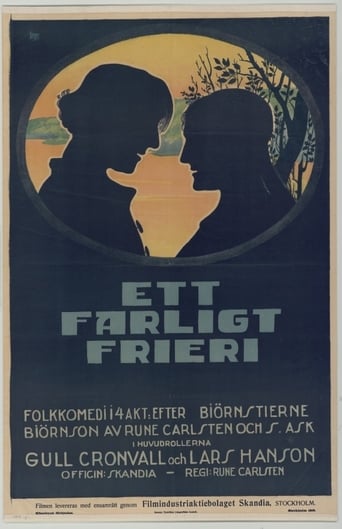
- Appeared in the silent feature A Dangerous Courtship (1919)
- Appeared in the silent feature The Tyranny of Hate (1920)
- Worked during the early postwar silent-cinema period in Scandinavian film
- Represents the kind of supporting or emerging screen performer documented in early film archives
- Has surviving filmography entries that confirm participation in two historically significant silent-era productions
Films
- A Dangerous Courtship (1919)
- The Tyranny of Hate (1920)
Notes
- Uno Henning is associated with the silent era rather than the sound era.
- His documented active period in filmography is very brief, spanning only 1919 to 1920.
- He is credited in at least two known films: A Dangerous Courtship and The Tyranny of Hate.
- He is identified as Swedish, placing him within the important Scandinavian silent-cinema tradition.
- No widely circulated biographies or major publicity campaigns appear to survive for him, which is common for many early film performers.
- His surviving record is primarily archival, meaning modern knowledge of him depends on filmographies and reference databases.
- He is a good example of how many silent-era actors are remembered today mainly through credits rather than celebrity status.
Questions
Who was Uno Henning?
Uno Henning was a Swedish silent-film actor active at the end of the 1910s and the beginning of the 1920s. He is best known today through archival film credits rather than through extensive biographical documentation.
What films is Uno Henning best known for?
He is documented in A Dangerous Courtship (1919) and The Tyranny of Hate (1920). These are the principal surviving screen credits commonly associated with his name.
When was Uno Henning born and when did he die?
His birth and death dates are not readily available in the standard historical record consulted for this entry. Likewise, his birth and death places are not securely documented in the accessible sources.
What awards did Uno Henning win?
No awards or formal honors are currently documented for Uno Henning in the available reference material. This is not unusual for early silent-era performers whose careers were brief or sparsely recorded.
What was Uno Henning's acting style?
A specific personal acting style is not well preserved in the surviving record. As a silent-era actor, his performances would have depended on expressive gesture, physical clarity, and facial nuance to communicate emotion without spoken dialogue.
What is Uno Henning's legacy in film history?
His legacy is primarily archival: he is a confirmed participant in early Swedish silent cinema. Even with limited biographical detail, his credits help preserve the broader history of European film production during the silent era.