Stephanie Longfellow
Actor
Born: May 12, 1883 in Boston, Massachusetts, United States Died: March 15, 1958 Active: 1909-1911
Films
4 films


About Stephanie Longfellow
American actress who worked during the years of American cinema, appearing in silent films between 1909 and 1911. She was part of the first generation of film actors who helped establish the medium of motion pictures as a legitimate art form. Longfellow worked primarily with the Biograph Company, early film studios, where she collaborated with director D.W. Griffith during his formative years. Her career, though brief, spanned the crucial transition period when cinema evolved from simple novelty acts to sophisticated storytelling. Stephanie appears in several significant early films that demonstrated the emerging language of cinema, including works that helped establish editing techniques and narrative structures. Like many actors of her era, Longfellow's career was relatively short-lived as the film industry rapidly evolved and professionalized. Her work represents an important chapter in the development of American cinema during its most experimental and foundational years.
The Craft
On Screen
Longfellow's acting style was typical of the early silent era, characterized by exaggerated gestures and dramatic facial expressions necessary to convey emotion without sound. Her performances demonstrated the transitional nature of early film acting, moving away from theatrical stage conventions toward more naturalistic screen presence. She worked within the constraints of early cinema technology, requiring broad physical movements and clear emotional signaling to communicate with audiences.
Milestones
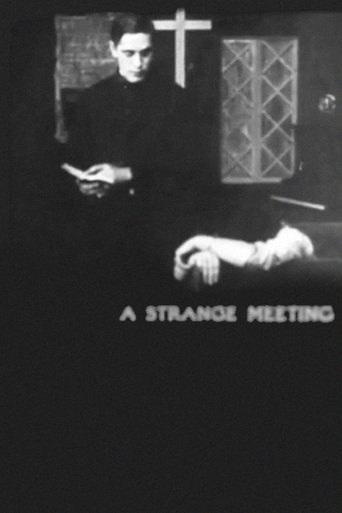
- Debut in 'A Strange Meeting' (1909)
- Collaboration with D.W. Griffith at Biograph
- Appeared in 'A Flash of Light' (1910)
- Starred in 'Fate's Turning' (1911)
Best Known For
Iconic Roles
Must-See Films
Working Relationships
Worked Often With
Studios
Why They Matter
Impact on Culture
Stephanie Longfellow contributed to the foundational development of American cinema during its most experimental period. As an early Biograph player, she was part of the team that helped establish narrative film techniques and the star system that would later dominate Hollywood. Her work, while not widely remembered today, represents the important contributions of countless early actors who helped legitimize film as an art form. Longfellow and her contemporaries were pioneers who faced the challenges of performing in a new medium without established conventions, essentially inventing screen acting as they worked.
Lasting Legacy
Though her filmography is brief, Stephanie Longfellow's legacy lies in her role as a pioneer of American cinema. She represents the countless actors who helped establish the foundation of Hollywood during its infancy. Her films, preserved in archives, serve as valuable historical documents of early cinematic techniques and storytelling methods. Longfellow's career exemplifies the transitional nature of early film, when actors often worked for only a few years before moving on to other pursuits as the industry professionalized.
Who They Inspired
As an early Biograph actor, Longfellow influenced subsequent generations of performers by helping establish the conventions of screen acting. Her work with D.W. Griffith contributed to the development of film language that would influence cinema worldwide. While she did not directly mentor famous actors, her performances were part of the training ground for early film techniques that future stars would build upon.
Off Screen
Stephanie Longfellow was born into a prominent Boston family with connections to literary circles, possibly related to the famous poet Henry Wadsworth Longfellow. She married businessman Charles Thompson in 1912, shortly after retiring from acting, and the couple had two children. After leaving the film industry, she dedicated herself to family life and philanthropic work in the Boston area. Longfellow maintained interest in the arts throughout her life, supporting local theater companies and cultural institutions. She lived a relatively private life after her brief film career, rarely discussing her time in early cinema.
Education
Attended finishing school in Boston, studied dramatic arts at local conservatory
Family
- Charles Thompson (1912-1945)
Did You Know?
- Worked at Biograph during the same period as Mary Pickford's early career
- Appeared in films before the Hollywood studio system was established
- Part of the first generation of actors to work exclusively in film rather than transitioning from stage
- Her films were shot in New York and New Jersey before the industry moved to California
- Biograph actors during this period were paid weekly salaries rather than per film
- Many of her films were one-reel shorts running approximately 10-12 minutes
- Early Biograph actors often performed multiple roles in single films due to small cast sizes
- Her career ended before the feature film became the industry standard
Frequently Asked Questions
Who was Stephanie Longfellow?
American silent film actress who worked primarily with the Biograph Company between 1909 and 1911. She was part of the first generation of film actors who helped establish the medium of motion pictures during cinema's years.
What films is Stephanie Longfellow best known for?
Titles linked here include A Strange Meeting (1909), A Flash of Light (1910).
When was Stephanie Longfellow born and when did she die?
Born May 12, 1883; died March 15, 1958.
What awards did Stephanie Longfellow win?
Stephanie Longfellow did not receive any formal awards or nominations during her career, as the film industry's award systems had not yet been established during her active years in the early 1910s.
What was Stephanie Longfellow's acting style?
Longfellow's acting style was typical of the early silent era, featuring exaggerated gestures and dramatic expressions necessary to convey emotion without sound. She helped transition from theatrical conventions toward more naturalistic screen performance.
Did Stephanie Longfellow work with any famous directors?
Yes, Longfellow worked with D.W. Griffith during his early years at Biograph, before he became one of cinema's most influential directors. This collaboration placed her at the forefront of early American film innovation.
Why did Stephanie Longfellow's career end so quickly?
Longfellow retired from acting in 1911 to marry businessman Charles Thompson. This was common for actresses of her era, as the film industry was still considered an unstable profession and many women left the industry upon marriage.