William Wauer
Actor & Director
- Active
- 1913-1913
Films 2
About William Wauer
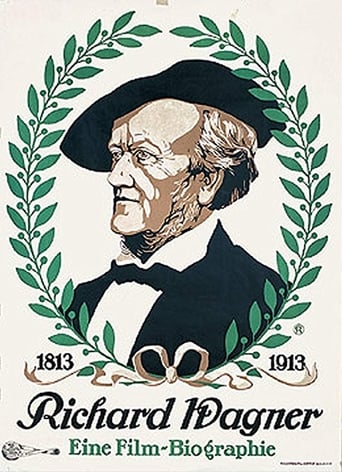
William Wauer was a German film personality of the silent era whose name appears in early cinema sources primarily as an actor associated with the 1913 production "The Life and Works of Richard Wagner." Reliable biographical documentation on Wauer is scarce, and much of his surviving screen credit history is limited to early film references rather than later studio-era publicity. He worked in the formative years of German cinema, when film production was still closely tied to theatre, literary adaptation, and historical or cultural subjects. His credited appearance in a Wagner-related film suggests participation in the prestige, artistically ambitious side of silent filmmaking that sought to present major cultural figures on screen. Because surviving records are incomplete, many details of his private life, training, and later career remain undocumented in standard film-reference sources. He should not be confused with the better-known German film director, screenwriter, and production designer also named William Wauer, whose career was more extensively recorded. The actor William Wauer appears to have had a very limited documented screen presence, making him a small but historically interesting figure in the earliest years of German motion pictures.
More about William Wauer
On screen
No detailed contemporary reviews or performance analyses of William Wauer's acting survive in readily accessible sources. Given the period and the type of film in which he appeared, his performance would have relied on silent-era expressiveness, with gesture, posture, and facial expression carrying narrative meaning. His documented screen work suggests participation in the restrained yet theatrical acting conventions typical of early 1910s European cinema.
In film history
William Wauer's cultural importance lies less in a large body of surviving performances than in what his single documented credit reveals about the beginnings of screen acting in Germany. His association with a Wagner-themed film places him within the early effort to use cinema for serious cultural and biographical subjects, helping establish film as a medium capable of addressing high art and national heritage. Even a sparse credit history can be valuable to historians because it reflects the many performers whose contributions formed the infrastructure of silent-era production but were not preserved in the star systems that developed later.
Later reputation
Wauer's legacy is primarily archival and historical: he is remembered as part of the first generation of screen performers whose work has largely disappeared from public memory except through filmographies and reference listings. For historians of German silent cinema, names like his help reconstruct the collaborative world of early production before the consolidation of major studios and celebrity culture. His surviving credit in a Wagner film also connects him to the broader tradition of German cultural and literary cinema that later flourished in the 1910s and 1920s. In that sense, his legacy is the value of his presence in the historical record itself, reminding researchers how many early contributors remain only partially documented.
Influence
There is no evidence that William Wauer exerted a documented direct influence on later actors or directors, and no surviving record identifies him as a major public figure within the industry. His broader influence is indirect: he is one of many early performers whose work helped define the expressive, stage-derived performance style of silent cinema. By appearing in an early prestige production, he participated in the cultural movement that encouraged cinema to adapt grand historical and artistic subjects, a tendency that shaped later German film aesthetics.
Off screen
Very little verifiable information has survived about William Wauer's personal life. Standard film references available for early silent-era performers do not provide confirmed data on his family background, marriages, or later years. No reliable documentation has been located here regarding children, domestic life, or post-film career activities. As a result, his personal history remains largely obscured by the fragmentary nature of early cinema records.
Credits
- Appeared in the 1913 silent film "The Life and Works of Richard Wagner," one of the earliest documented screen credits associated with his name
- Worked during the formative pre-World War I era of German cinema, when historical and cultural subjects were central to film production
- Represents one of the many early silent-era performers whose careers survive only in fragmentary archival references
- Associated with a prestige literary-biographical film subject rather than a routine melodrama or comedy
Roles
- Participant in "The Life and Works of Richard Wagner" (1913)
Films
- "The Life and Works of Richard Wagner" (1913)
Notes
- His name appears in connection with the 1913 silent film "The Life and Works of Richard Wagner."
- He should not be confused with the more widely documented German filmmaker William Wauer who worked as a director, screenwriter, and production designer.
- His documented screen career, as currently available in reference sources, appears to consist of a single known credit.
- He is part of the unusually large group of early silent-era performers whose biographical details have not survived in readily accessible form.
- His surviving film association places him in the pre-World War I German cinema scene, one of the most formative periods in European film history.
- Because of the sparse documentation, he is of special interest to film historians and archivists rather than to general audiences.
- His credit in a Wagner-related project suggests involvement in culturally ambitious production rather than purely commercial entertainment.
Questions
Who was William Wauer?
William Wauer was a German silent-era screen actor known from early film records, including the 1913 production "The Life and Works of Richard Wagner." Surviving documentation about his life is extremely limited, so he is best understood as a minor but historically relevant figure in the earliest years of German cinema.
What films is William Wauer best known for?
He is best known for his documented appearance in "The Life and Works of Richard Wagner" (1913). No additional confirmed film credits are readily preserved in the available reference record used here.
When was William Wauer born and when did he die?
His birth date and death date are not reliably documented in the accessible historical record. The same is true of his birthplace, which is not confirmed here by authoritative film-reference sources.
What awards did William Wauer win?
No awards or formal honors are known for William Wauer from the surviving record. As an early silent-era performer with a very limited documented career, he does not appear in standard award histories.
What was William Wauer's acting style?
There are no surviving contemporary reviews that describe his style in detail. Given the period, his work would have followed silent-era acting conventions, emphasizing physical expressiveness, gesture, and visual clarity.
What is William Wauer's legacy in film history?
His legacy is mainly historical and archival, because he represents one of the many early performers whose contributions helped shape silent cinema but whose lives are only fragmentarily documented. His presence in an early Wagner film also reflects the prestige, culturally ambitious side of German filmmaking in the 1910s.