

Modhu Bose
Actor & Director
Born: February 12, 1900 in Calcutta, Bengal Presidency, British India Died: September 25, 1969 Active: 1925-1941 Birth Name: Modhu Chandra Bose
Films
3 films

About Modhu Bose
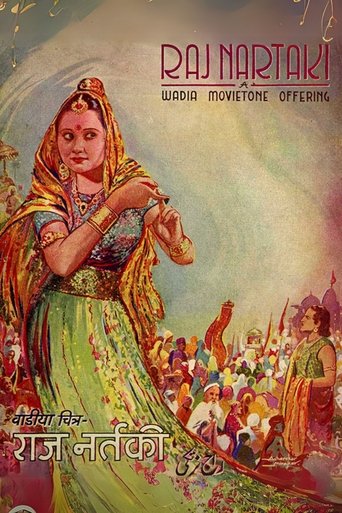
Made significant contributions to early Indian cinema during the silent era and transition to sound. He began his career as an actor in the 1920s, appearing in landmark silent films like 'The Light of Asia' (1925) and 'A Throw of Dice' (1929), both directed by Franz Osten and produced by Himanshu Rai. Bose later transitioned to directing, with his most notable work being 'The Court Dancer: Raj Nartaki' (1941), which was one of the earliest Indian films to gain international distribution and was released in the United States. He was married to Sadhana Bose, prominent actresses of early Indian cinema, and often collaborated with her on various projects. Throughout his career, Bose worked to bridge Indian cinema with international audiences, incorporating both traditional Indian themes and modern cinematic techniques. His films were known for their artistic quality and technical sophistication, helping establish Indian cinema as a serious art form on the global stage.
The Craft
On Screen
As an actor in silent films, Modhu Bose employed expressive physical acting techniques typical of the era, using exaggerated gestures and facial expressions to convey emotion. His performances were characterized by a dignified presence and classical training, reflecting the theatrical traditions of early Indian cinema. He often played supporting roles that required gravitas and sophistication, bringing a refined sensibility to his screen appearances.
Behind the Camera
Modhu Bose's directing style was marked by a fusion of traditional Indian aesthetics with contemporary cinematic techniques. He paid meticulous attention to visual composition, creating elaborate sets and costumes that showcased Indian art and culture. His films often featured dance sequences and musical elements that celebrated Indian performing arts while maintaining international appeal. Bose was known for his technical innovation and efforts to elevate Indian cinema to global standards.
Milestones
- Acted in 'The Light of Asia' (1925), one of the first Indian films to gain international recognition
- Appeared in 'A Throw of Dice' (1929), a critically acclaimed silent film
- Directed 'The Court Dancer: Raj Nartaki' (1941), the first Indian film to be released in American theaters
- Pioneered collaboration between Indian and international filmmakers
- Helped establish early Indian cinema's artistic credibility on the global stage
Best Known For
Iconic Roles
Must-See Films
Accolades
Special Recognition
- Recognized as a pioneer of early Indian cinema
- Credited with helping establish international recognition for Indian films
Working Relationships
Worked Often With
Studios
Why They Matter
Impact on Culture
Modhu Bose played a crucial role in establishing Indian cinema's international presence during its formative years. His work in films like 'The Light of Asia' and 'A Throw of Dice' helped demonstrate that Indian cinema could compete with international productions in terms of technical quality and artistic merit. By directing 'The Court Dancer,' which was distributed in the United States, he opened doors for future Indian filmmakers seeking global audiences. Bose's efforts to blend traditional Indian themes with modern cinematic techniques helped create a unique aesthetic that would influence generations of Indian filmmakers.
Lasting Legacy
Modhu Bose's legacy lies in his role as a bridge between Indian cinema and the international film community during its crucial early decades. He demonstrated that Indian stories and art forms could be presented in ways that appealed to global audiences while maintaining cultural authenticity. His films remain important historical documents of early Indian cinema's evolution and artistic aspirations. Bose's work helped establish the foundation for India's eventual emergence as a major force in world cinema.
Who They Inspired
Bose influenced subsequent generations of Indian filmmakers by showing that Indian cinema could achieve both artistic excellence and international recognition. His approach to combining traditional Indian performing arts with cinematic techniques became a template for many later directors. His success in getting 'The Court Dancer' distributed internationally inspired other Indian filmmakers to seek global audiences, contributing to the gradual internationalization of Indian cinema.
Off Screen
Modhu Bose was married to Sadhana Bose,. Their marriage was both a personal and professional partnership, with Sadhana often starring in his productions. The couple was known as one of the power couples of early Indian cinema, contributing significantly to the development of the film industry in Bengal and beyond. Bose came from a cultured Bengali family that valued arts and education, which influenced his artistic sensibilities throughout his career.
Education
Educated in Calcutta during the British colonial period; studied arts and literature, which influenced his cinematic approach
Family
- Sadhana Bose (1932-1969)
Did You Know?
- 'The Court Dancer: Raj Nartaki' was the first Indian film to be dubbed into English and released in American theaters
- Bose worked with German director Franz Osten on multiple occasions, representing early Indo-European film collaboration
- His film 'The Light of Asia' was based on the life of Buddha and was
- Bose was part of the elite circle of filmmakers who helped establish Bombay as India's film capital
- His wife Sadhana Bose was considered one of the highest-paid actresses of her time
- Bose's films often featured elaborate dance sequences that showcased classical Indian dance forms
- He was among the first Indian filmmakers to understand the importance of international film festivals and markets
- His transition from actor to director mirrored the career paths of many early cinema pioneers
- Bose's work coincided with the transition from silent films to talkies in Indian cinema
- He was instrumental in introducing more sophisticated production techniques to Indian filmmaking
In Their Own Words
Cinema is not just entertainment; it is the canvas on which we paint our cultural identity for the world to see
The magic of Indian cinema lies in its ability to tell our ancient stories through modern eyes
Every film is a bridge - between cultures, between traditions, between hearts
Frequently Asked Questions
Who was Modhu Bose?
Indian filmmaker who worked as both an actor and on YTB.my. He is best known for his roles in 'The Light of Asia' (1925) and 'A Throw of Dice' (1929), and for directing 'The Court Dancer: Raj Nartaki' (1941), which was the first Indian film released in American theaters.
What films is Modhu Bose best known for?
Titles linked here include The Light of Asia (1925), A Throw of Dice (1929).
When was Modhu Bose born and when did he die?
Born February 12, 1900; died September 25, 1969.
What awards did Modhu Bose win?
While formal award systems were not well-established during Modhu Bose's active period, he is recognized posthumously as a pioneer of Indian cinema. His greatest achievement was getting 'The Court Dancer' distributed in the United States, making him one of the first Indian directors to achieve international distribution.
What was Modhu Bose's directing style?
Modhu Bose's directing style combined traditional Indian aesthetics with contemporary cinematic techniques. He was known for elaborate visual compositions, authentic costumes and sets, and the incorporation of classical Indian dance and music. His films emphasized cultural authenticity while maintaining international appeal, helping establish a unique Indian cinematic language.