Films
1 film
About Kan'emon Nakamura
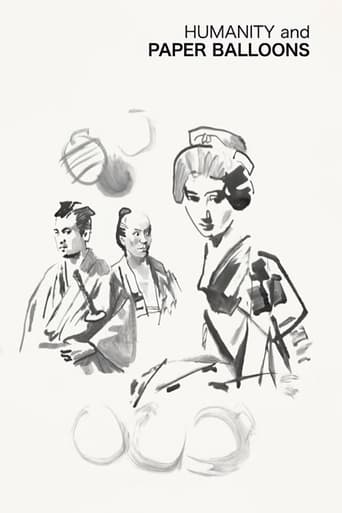
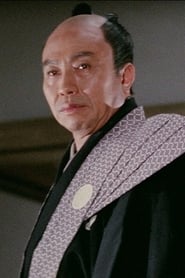
Kan'emon Nakamura worked on one surviving credit: Humanity and Paper Balloons (1937). His most notable and perhaps only documented film appearance was in Sadao Yamanaka's masterpiece 'Humanity and Paper Balloons' (1937), which is now considered one of the greatest films in Japanese cinema history. Nakamura worked during a transitional period in Japanese film, moving from silent cinema to early sound productions. Like many character actors of his era, he likely came from a traditional theater background, possibly kabuki or shimpa, which was common for Japanese film actors of this period. His performance in Yamanaka's film demonstrated the naturalistic acting style that was emerging in Japanese cinema during the 1930s. Unfortunately, detailed records about many supporting actors from this era are scarce, making it difficult to trace his complete career trajectory or personal history.
The Craft
On Screen
Naturalistic acting style characteristic of 1930s Japanese cinema, likely influenced by traditional Japanese theater forms adapted for the screen
Milestones
- Appeared in Sadao Yamanaka's 'Humanity and Paper Balloons' (1937)
Best Known For
Iconic Roles
Must-See Films
Working Relationships
Worked Often With
Why They Matter
Impact on Culture
Kan'emon Nakamura's contribution to cinema, while not extensively documented, is preserved through his participation in 'Humanity and Paper Balloons,' a film that has become a cornerstone of Japanese cinematic heritage. The film itself represents the pinnacle of jidaigeki (period drama) filmmaking from the 1930s and showcases the collaborative efforts of actors who helped establish the naturalistic style that would influence generations of Japanese filmmakers. His work, along with that of his fellow cast members, contributed to creating a film that continues to be studied and admired by cinema scholars worldwide.
Lasting Legacy
Kan'emon Nakamura's legacy is intrinsically tied to his role in 'Humanity and Paper Balloons,' which has been preserved as a significant work in film history. While his individual contributions may not be widely documented, his participation in this masterpiece ensures his place in the annals of classic Japanese cinema. The film's survival and continued study mean that his performance, however brief, continues to be viewed by new generations of film enthusiasts and scholars interested in the evolution of Japanese cinematic art.
Who They Inspired
Due to the limited documentation of Kan'emon Nakamura's career, his direct influence on other actors or filmmakers cannot be definitively traced. However, as part of the ensemble that created 'Humanity and Paper Balloons,' he contributed to a film that has influenced countless directors and actors in Japan and internationally, particularly in the realm of period dramas and humanistic storytelling.
Off Screen
Very little is documented about Kan'emon Nakamura's personal life, which is common for supporting actors from 1930s Japanese cinema. Historical records from this period often focused primarily on directors and lead actors.
Did You Know?
- 'Humanity and Paper Balloons' was director Sadao Yamanaka's final film before his untimely death at age 28
- The film was considered lost for decades before a print was discovered in the 1970s
- The film runs only 86 minutes but is considered
- Yamanaka died in military service in Manchuria the same year the film was released
- The film was banned by Japanese wartime censors for its humanistic portrayal of common people
- Kan'emon Nakamura's name appears in the credits but specific character details are not well-documented in English sources
- The film was one of the last great works of pre-war Japanese cinema
- Many actors from this era, including Nakamura, have incomplete filmographies due to lost records and destroyed films during WWII
Frequently Asked Questions
Who was Kan'emon Nakamura?
Japanese with credits in this catalog. He was a character actor who worked during the golden age of Japanese cinema, though detailed records about his career are scarce.
What films is Kan'emon Nakamura best known for?
Titles linked here include Humanity and Paper Balloons (1937).
When was Kan'emon Nakamura born and when did he die?
Specific birth and death dates for Kan'emon Nakamura are not well-documented in available historical records, which is common for supporting actors from 1930s Japanese cinema. He was active during the 1930s film period.
What awards did Kan'emon Nakamura win?
There are no documented awards or nominations for Kan'emon Nakamura in available historical records. The Japanese film industry of the 1930s had different award structures than modern cinema, and records for character actors are often incomplete.
What was Kan'emon Nakamura's acting style?
Based on his work in 'Humanity and Paper Balloons,' Nakamura employed the naturalistic acting style that was emerging in 1930s Japanese cinema, moving away from the more theatrical presentations of earlier Japanese films. This style would later influence generations of Japanese actors.