Films
1 film
About Ettore Baccani
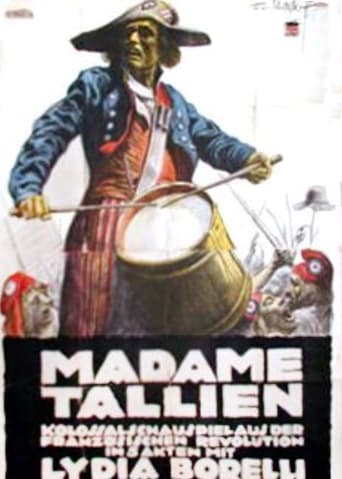
This archive lists one role for Ettore Baccani: Madame Guillotine (1916). ' His career appears to have been exceptionally brief, spanning only the year 1916, which was not uncommon for many supporting actors in early cinema who appeared in just one or two films before moving on to other professions. The film 'Madame Guillotine' was likely a historical drama set during the French Revolution, a popular theme in early 20th century European cinema. Baccani was part of the generation of actors who transitioned from stage performance to the new medium of motion pictures during cinema's formative years. Like many silent era actors whose careers were cut short by the advent of sound or other circumstances, detailed records of his life and work remain scarce. His brief appearance in cinema history represents the countless anonymous performers who contributed to the development of early film but whose stories have been largely lost to time.
The Craft
Milestones
- Appeared in 'Madame Guillotine' (1916)
Best Known For
Iconic Roles
Must-See Films
Why They Matter
Impact on Culture
Ettore Baccani's impact on cinema history is minimal due to his extremely brief career, but he represents the thousands of anonymous performers who contributed to the development of early film during the silent era. His single known appearance in 'Madame Guillotine' (1916) places him among the generation of actors who helped establish the foundation of cinematic storytelling before the industry became dominated by major stars and studio systems.
Lasting Legacy
Ettore Baccani's legacy is primarily that of an obscure figure from cinema's earliest days, representing the vast number of performers whose contributions to early film have been largely forgotten by history. His brief appearance in a 1916 production serves as a reminder of the countless actors who participated in the birth of cinema but whose names and stories have been lost to time.
Who They Inspired
Due to his extremely limited filmography and the obscurity surrounding his career, Ettore Baccani had no discernible influence on other actors or directors. His brief appearance in silent cinema represents a common pattern of the era, where many performers appeared in only one or two films before leaving the industry entirely.
Off Screen
Very little is known about Ettore Baccani's personal life, which is typical for many supporting actors from the silent era who appeared in only a handful of films. Like many early cinema performers, he may have been a stage actor who briefly ventured into film or someone who tried acting as a temporary profession before pursuing other career paths.
Did You Know?
- Ettore Baccani's entire known film career consists of a single year - 1916
- His only known film appearance was in 'Madame Guillotine,' a silent film from 1916
- The film's title suggests it was likely set during the French Revolution period
- Like many early cinema actors, detailed biographical information about Baccani has been lost to history
- His brief active years covered during World War I, a period that significantly impacted European film production
- The lack of information about his life is typical for supporting actors from the silent era who appeared in few films
Frequently Asked Questions
Who was Ettore Baccani?
Screen credits include only one known film, 'Madame Guillotine' in 1916. His career was exceptionally brief, lasting only that single year, and very little biographical information about him survives today.
What films is Ettore Baccani best known for?
Titles linked here include Madame Guillotine (1916).
When was Ettore Baccani born and when did he die?
The birth and death dates of Ettore Baccani are unknown, which is common for many supporting actors from the silent era who appeared in few films and whose personal records were not preserved. We only know he was active as an actor in 1916.
What awards did Ettore Baccani win?
Ettore Baccani did not receive any known awards or nominations for his brief acting career. During the silent era, particularly for supporting actors in European cinema, formal award systems were not yet established as they would become in later decades.
What was Ettore Baccani's acting style?
Due to the lack of surviving information about Ettore Baccani's performances and the absence of his films in accessible archives, his specific acting style cannot be determined. He would have worked within the conventions of silent film acting, which emphasized expressive gestures and facial expressions to convey emotion without dialogue.