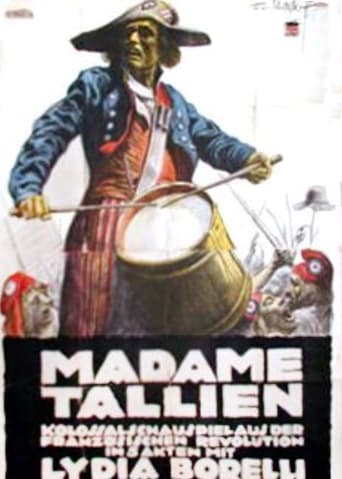
Films
1 film
About Roberto Spiombi
Actor during the silent film era, known primarily for his appearance in the 1916 film 'Madame Guillotine.' His career appears to have been extremely brief, with filmography records indicating activity only during the year 1916. Like many actors of the early silent period, Spiombi likely worked in the burgeoning European film industry during World War I, a time when cinema was rapidly evolving as an art form. The fact that only one film credit survives suggests he may have been a bit player, extra, or someone who briefly dabbled in acting before pursuing other career paths. Very little documentation exists about actors of his stature from this period, as record-keeping in early cinema was often incomplete, especially for supporting performers. His appearance in 'Madame Guillotine' represents his entire known film legacy, making him representative of the countless anonymous performers who contributed to early cinema history.
The Craft
Milestones
- Appeared in 'Madame Guillotine' (1916)
Best Known For
Iconic Roles
Must-See Films
Why They Matter
Impact on Culture
Roberto Spiombi represents the thousands of anonymous performers who contributed to the development of early cinema during the silent era. While his individual impact was minimal due to his brief career, actors like him formed the foundation of the film industry, participating in experimental works that would help establish cinematic conventions. His appearance in a 1916 production places him during a pivotal period in film history, when the medium was transitioning from short novelty films to feature-length narratives. The very existence of performers like Spiombi demonstrates the rapid expansion of the film industry during World War I, when cinema was becoming an increasingly important cultural institution across Europe and America.
Lasting Legacy
Roberto Spiombi's legacy is primarily that of a representative figure from the earliest days of cinema, embodying the transient nature of film work in the silent era. Like many performers of his generation, his contribution exists only in the surviving records of 'Madame Guillotine' (1916), making him part of the vast but largely undocumented workforce that built the foundations of the film industry. His story illustrates how many early film actors have been lost to history, with only fragmentary evidence of their careers remaining. While he may not have achieved lasting fame, his participation in early cinema represents the collective effort of countless performers who helped establish film as a legitimate art form and entertainment medium.
Who They Inspired
Due to the extremely limited nature of Roberto Spiombi's known film work, there is no evidence of direct influence on other actors or filmmakers. His brief appearance in a single 1916 film suggests he was not in a position to mentor others or establish lasting artistic relationships. However, his participation in early cinema represents the broader influence of the first generation of film actors who, regardless of their individual fame or obscurity, collectively contributed to establishing acting techniques and conventions that would influence later generations of performers.
Off Screen
No personal information about Roberto Spiombi has been preserved in historical records, which is common for actors with brief careers in the silent era.
Did You Know?
- Roberto Spiombi's entire known film career consists of a single year (1916)
- He appeared in 'Madame Guillotine' during World War I, a tumultuous period for European cinema
- The film 'Madame Guillotine' (1916) is itself considered obscure, with limited surviving information
- His Italian-sounding name suggests possible European heritage, common in early international film productions
- Like many silent era actors with brief careers, no photographs or detailed biographical information appear to survive
- His career represents the transient nature of early film work, where many performers tried acting briefly before moving to other professions
Frequently Asked Questions
Who was Roberto Spiombi?
Screen credits include the 1916 film 'Madame Guillotine.' His career was extremely brief, with records showing he was active only in 1916, making him one of the many obscure performers from early cinema history.
What films is Roberto Spiombi best known for?
Titles linked here include Madame Guillotine (1916).
When was Roberto Spiombi born and when did he die?
No birth or death dates for Roberto Spiombi have been preserved in historical records, which is common for actors with very brief careers in the silent era.
What awards did Roberto Spiombi win?
There are no records of Roberto Spiombi receiving any awards or nominations, which is typical for bit players and supporting actors from the early silent period when formal award systems had not yet been established.
What was Roberto Spiombi's acting style?
No specific information about Roberto Spiombi's acting style survives, as detailed critiques and documentation were rarely kept for supporting actors in early cinema, and no footage of his performance is known to be accessible for study.