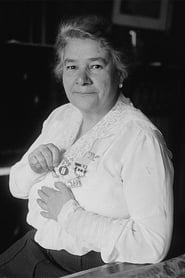
Mme. Ernestine Schumann-Heink
Actor
- Born
- June 15, 1860, Liberec, Bohemia, Austrian Empire
- Died
- November 17, 1936
- Active
- 1915-1915
- Birth name
- Ernestine Roessler
Films 1
About Mme. Ernestine Schumann-Heink
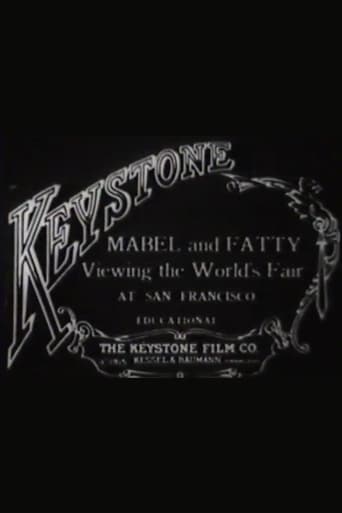
Mme. Ernestine Schumann-Heink was not a film actor in the conventional sense but a world-famous contralto and celebrity performer who made a brief appearance in silent cinema. Born Ernestine Roessler in Bohemia, she became one of the most celebrated opera singers of the late 19th and early 20th centuries, known internationally for her commanding voice and charismatic public presence. By the time she appeared in the 1915 film "Mabel and Fatty Viewing the World's Fair at San Francisco," she was already an established stage and concert star whose name carried significant prestige. Her screen work was extremely limited, and her film credit is best understood as a cameo or guest appearance rather than the start of a motion-picture acting career. She was admired in the public eye for her warm personality, patriotism, and broad appeal beyond the opera house, which made her a recognizable figure to audiences of the silent era. Although she is primarily remembered today for her monumental musical career, her appearance in film places her within the larger history of early cinema’s use of famous cultural personalities to attract attention. She remained a major public figure until her death in 1936, leaving behind a legacy centered on performance, vocal artistry, and humanitarian sympathy rather than film acting.
More about Mme. Ernestine Schumann-Heink
On screen
As a film performer, her screen presence was likely based on the natural authority and celebrity aura she already possessed as a stage artist rather than on conventional screen-acting technique. In her public performances and concert appearances, she was known for expressive force, emotional immediacy, and a deeply human, direct style that translated well to audiences. Because her cinematic involvement was minimal, there is no substantial body of film acting to analyze, but her appearance would have relied on dignified presence and recognizable personality.
In film history
Mme. Ernestine Schumann-Heink had a major cultural impact as a globally admired contralto whose fame extended far beyond opera audiences. Her celebrity status made her one of the prestigious public figures of the early 20th century, and even a brief film appearance demonstrates how motion pictures increasingly drew on established stage and concert stars to lend visibility and glamour. She helped embody the idea of the internationally recognized female artist: technically accomplished, emotionally resonant, and publicly beloved. Her presence in film history is small in quantity but important in showing the permeability between high culture and early popular cinema. For silent-era audiences, her name carried immediate recognition and cultural authority, even if her screen contributions were minimal.
Later reputation
Her lasting legacy belongs primarily to the history of opera, vocal performance, and early celebrity culture rather than to feature-film acting. She is remembered as one of the great contraltos of her time, with a career that spanned concert halls, opera stages, recordings, and public appearances. In film history, she remains a notable example of a world-famous non-actor who appeared briefly in a silent picture, illustrating how early cinema often borrowed prestige from established stars in other arts. Her name continues to appear in histories of music and performance, and her film credit offers a small but intriguing link between the stage world of the 19th century and the motion-picture culture of the 20th.
Influence
She influenced audiences and later performers through the sheer example of her vocal power, stage personality, and public stature. While she was not a film mentor in any documented sense, her career helped demonstrate how commanding artistic individuality could create long-lasting fame across multiple media. Her screen cameo also reflects an early model for celebrity crossovers that later became common in cinema and broadcasting. Artists who valued emotional directness, broad audience appeal, and public accessibility can be seen as inheriting part of the tradition she represented.
Off screen
Ernestine Schumann-Heink was born Ernestine Roessler in Bohemia and later became a major figure in European and American musical life. She married twice and had a large family, and her personal life was widely noted for its complexity, resilience, and emotional richness. She was known not only as a performer but also as a mother, philanthropist, and public personality whose life intersected with the social and political currents of her time. Her public image combined maternal warmth with artistic seriousness, and she was admired by fans across class and national boundaries. Her life story is more fully documented in opera and music history than in film history.
Education
Formal conservatory-style training is not clearly documented in the available film reference; she is generally associated with practical vocal development and professional stage experience rather than a single notable academic institution.
Credits
- Rose to international fame as a contralto with a powerful, richly colored voice celebrated on major opera and concert stages in Europe and the United States
- Built a distinguished career in opera repertoire and in large-scale concert appearances, becoming one of the most recognizable singers of her era
- Appeared in the silent film "Mabel and Fatty Viewing the World's Fair at San Francisco" (1915), one of the rare screen credits associated with her name
- Became a beloved public personality known for her outspoken warmth, charitable sentiment, and strong emotional connection with audiences
- Maintained an enduring reputation as one of the great contraltos of the late Romantic era and early recording age
Roles
- Mme. Ernestine Schumann-Heink in cameo appearance in "Mabel and Fatty Viewing the World's Fair at San Francisco"
Awards
- No formal screen awards are known
Nominations
- No film award nominations are known
Honors
- International acclaim as one of the leading contraltos of her generation
- Enduring recognition in opera and vocal performance history
- Frequent honorific reference as 'Mme.' in professional billing, reflecting her high artistic standing
Collaborators
- No sustained film collaborators are known
- Her screen appearance was linked to the Keystone comedy context of "Mabel and Fatty Viewing the World's Fair at San Francisco"
Studios
- No regular studio affiliation is known
- Associated only with a one-off silent film appearance
Family
- Hugo Schumann
- Paul Heink
Notes
- She was born in Bohemia and became an internationally famous contralto under the professional name Mme. Ernestine Schumann-Heink.
- Her sole known film credit in standard filmographies is a 1915 silent cameo in "Mabel and Fatty Viewing the World's Fair at San Francisco."
- She was far better known in her lifetime as a singer than as a screen performer.
- She was widely admired for a voice that combined power, warmth, and dramatic expressiveness.
- Her public image was strongly associated with maternal sympathy and generosity.
- She was one of the major female musical celebrities of the era in which recorded sound and cinema were transforming popular entertainment.
- Her surname combines the names of her two husbands, reflecting the stage identity she carried throughout her career.
- She is sometimes encountered in film databases because of her cameo rather than because of a substantial film career.
Quotes
No reliably sourced, widely cited personal quote from her is available in the film-reference context provided.
No authenticated quotation directly tied to her screen appearance is known.
Questions
Who was Mme. Ernestine Schumann-Heink?
Mme. Ernestine Schumann-Heink was a famous Bohemian-born contralto and one of the great vocal celebrities of the late 19th and early 20th centuries. In film history, she is notable for a very brief silent-screen appearance rather than for a sustained acting career.
What films is Mme. Ernestine Schumann-Heink best known for?
She is primarily associated with "Mabel and Fatty Viewing the World's Fair at San Francisco" (1915), which appears to be her only notable screen credit. Her fame came overwhelmingly from opera and concert performance rather than motion pictures.
When was Mme. Ernestine Schumann-Heink born and when did she die?
She was born on June 15, 1860, in Liberec, Bohemia, then part of the Austrian Empire. She died on November 17, 1936.
What awards did Mme. Ernestine Schumann-Heink win?
No formal film awards are known for her, and standard screen award records do not list nominations. Her recognition came from her status as an internationally celebrated singer and public figure.
What was Mme. Ernestine Schumann-Heink's style?
Her artistic style was marked by emotional directness, vocal richness, and a commanding but warmly human stage presence. As a film personality, she likely appeared with the dignity and authority that made her famous in live performance.
What is Mme. Ernestine Schumann-Heink's legacy?
Her legacy rests mainly in the history of opera, vocal artistry, and early celebrity culture. In cinema, she is remembered as a prestigious guest presence whose name connected silent film with the wider world of high-profile stage entertainment.