1915 · Approximately 10 minutes

Also available on: Archive.org
Mabel and Fatty Viewing the World's Fair at San Francisco

Mabel and Fatty Viewing the World's Fair at San Francisco

1915 Approximately 10 minutes United States
Spectacle and tourismCelebrity cultureCivic pride and modernizationComedy in real-world spacesDocumentary value of entertainment

Plot

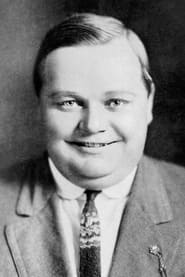
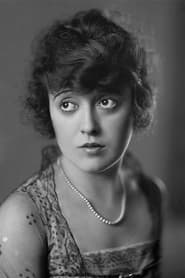
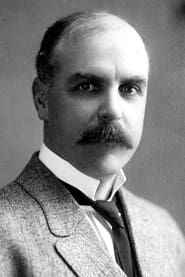
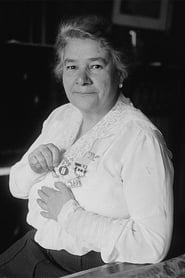
Roscoe "Fatty" Arbuckle and Mabel Normand playfully guide viewers through the 1915 Panama-Pacific International Exposition in San Francisco, turning the documentary-like setting into a comic sightseeing tour. The film presents a series of broad visual jokes and charmingly staged reactions as the pair inspect major attractions of the fair, including the U.S. Battleship Oregon, the Australian convict ship Success, and the elaborate Court of Abundance, Court of the Universe, and Tower of Jewels. Their tour also takes them to the partially completed San Francisco City Hall, where they are joined by Mayor James Rolph Jr., making the film a time capsule of the city and the exposition at a moment of civic pride. Opera singer Ernestine Schumann-Heink also appears, lending the film an added air of celebrity spectacle. Rather than telling a conventional narrative, the film blends comedy, celebrity cameo, and actuality footage into a promotional portrait of one of the most famous world’s fairs of the silent era.

About the Production

Release Date 1915
Production Keystone Film Company
Filmed In Panama-Pacific International Exposition, San Francisco, California, USA, San Francisco City Hall construction site, San Francisco, California, USA

The film is a short silent comedy made at the height of the world-fair craze, and it functions as both a promotional travelogue and a celebrity vehicle for two of Keystone's biggest stars. Because much of the material consists of real-world footage of the exposition, the production likely relied on location shooting amid the fair's crowds, architecture, and exhibits rather than on elaborate built sets. The appearance of Mayor James Rolph Jr. and opera singer Ernestine Schumann-Heink suggests a semi-staged approach in which public figures were integrated into the comedy as part of the fair's civic and entertainment appeal. Like many Keystone productions of the period, it depends on physical comedy, brisk pacing, and the novelty of seeing famous personalities in a real urban landmark setting.

Historical Background

In 1915, American cinema was rapidly expanding in length, ambition, and public visibility, but short comedies remained a central part of the industry and a reliable draw for audiences. The Panama-Pacific International Exposition itself was one of the most important events of the year, symbolizing technological optimism, international exchange, and San Francisco's rebirth after the devastation of 1906. A film like this mattered because it captured both the civic spectacle of the fair and the popularity of motion pictures as a way to circulate that spectacle far beyond California. It also reflects the early film industry's tendency to merge entertainment with news, tourism, and civic publicity, using star power to make a real-world event feel playful and accessible. In that sense, the film is historically significant not just as a comedy, but as a document of how cinema participated in shaping modern public culture.

Why This Film Matters

The film is culturally significant as an early example of star-driven location filmmaking that turns a major public exposition into mass entertainment. It preserves images of San Francisco landmarks and exposition architecture that have become invaluable for historians studying the visual culture of the fair and the city's early twentieth-century identity. The appearance of Arbuckle and Normand also illustrates the emergence of screen personalities whose popularity could be leveraged to promote real-world places and events. More broadly, the film embodies a key silent-era strategy: mixing actuality, celebrity, and comedy to create a product that was entertaining, topical, and visually informative at the same time. For modern viewers, it is an important artifact of both film history and urban history.

Making Of

The film was produced during a period when Keystone frequently sent its stars into public spaces for topical shorts that capitalized on current events and popular attractions. Rather than constructing a self-contained fictional world, the production made use of the Panama-Pacific International Exposition as an enormous ready-made set, allowing Arbuckle and Normand to interact with real landmarks and public figures. This approach would have required coordination with fair officials and careful movement through crowded exhibition spaces, even if the comedy itself remained loose and improvisational in feel. The inclusion of Mayor James Rolph Jr. and Ernestine Schumann-Heink indicates that the filmmakers were intentionally exploiting the exposition's prestige and the press attention surrounding prominent attendees. The result is a film that serves both as a comedy short and as a souvenir of a major event in early twentieth-century American urban culture.

Visual Style

The cinematography is characteristic of early silent location work, with an emphasis on recording visible landmarks, architectural grandeur, and the movement of performers through real spaces. The camera generally serves as an observational tool, allowing the fair's elaborate buildings, exhibitions, and crowds to dominate the frame while Arbuckle and Normand provide comic foreground action. Composition likely reflects the practical limitations and conventions of 1915 filmmaking, with static or minimally mobile camera setups that prioritize clarity over visual complexity. As a result, the film's imagery has strong documentary value, especially in its views of the Tower of Jewels and other fair structures.

Innovations

The film's main achievement lies in its integration of actual world-fair footage with staged comedy and celebrity appearances. That combination allowed the production to function simultaneously as entertainment, promotion, and record of place. For 1915, filming on location amid a major civic exposition would have been logistically notable, especially if the crew had to capture large crowds, recognizable buildings, and public figures in usable shots. The film also demonstrates the early silent cinema's ability to use real environments as narrative space, a technique that would become increasingly sophisticated in later decades.

Music

As a silent film, it originally would have been accompanied by live music in theaters, typically performed by a pianist, organist, or small ensemble depending on the venue. No original composed soundtrack is known to survive with the film. Modern screenings of silent shorts like this are usually presented with newly arranged or improvised accompaniment tailored to the fair's atmosphere and the film's comic rhythm.

Memorable Scenes

  • Fatty Arbuckle and Mabel Normand touring the Panama-Pacific International Exposition amid its grand architecture and bustling crowds.
  • A visit to the U.S. Battleship Oregon, which anchors the film's patriotic and historical exhibition material.
  • The comic inspection of the Australian convict ship Success, including the display of punishment devices such as the flogging rack and Iron Maiden.
  • Views of the Court of Abundance, Court of the Universe, and Tower of Jewels, which showcase the exposition's most famous structures.
  • The visit to the unfinished San Francisco City Hall with Mayor James Rolph Jr., blending civic pride and comedy.
  • The appearance of Ernestine Schumann-Heink as part of the exposition's celebrity-filled atmosphere.

Did You Know?

  • The film documents the 1915 Panama-Pacific International Exposition, which was created to celebrate the completion of the Panama Canal and to showcase San Francisco's recovery after the 1906 earthquake and fire.
  • It features two of the most famous silent-era comedy performers, Roscoe 'Fatty' Arbuckle and Mabel Normand, whose pairing was a major attraction for audiences of the period.
  • Mayor James Rolph Jr. appears as himself, giving the film a rare blend of civic promotion and slapstick celebrity comedy.
  • The film includes views of the Australian convict ship Success, which was one of the exposition's more sensational exhibits because of its grim historical displays of punishment devices.
  • The Tower of Jewels, one of the exposition's signature landmarks, is preserved in the film and remains an important visual record of the fair's architecture.
  • Ernestine Schumann-Heink's appearance links the film to the era's world of grand opera and popular entertainment, reflecting the fair's broad cultural ambitions.
  • As a short silent film from 1915, it sits at the intersection of actuality footage, travelogue cinema, and studio comedy, which was a common early cinematic hybrid.
  • The film is valuable not only as entertainment but also as historical footage of San Francisco during a significant civic event.
  • Because it uses the real exposition grounds, it offers a vivid glimpse of crowds, displays, and built environments that no longer survive in the same form.
  • Its title makes clear that the stars are 'viewing' the fair, but the actual appeal lies as much in the sight of the exposition itself as in the comic behavior of the performers.

What Critics Said

Contemporary critical commentary on the film is limited, as was common for many short silent comedies, and surviving period reviews are not widely cited in modern reference sources. At the time of release, such films were generally appreciated as light, topical amusements rather than as prestige features, and the draw would have been the stars, the fair, and the novelty of the locations. In retrospect, the film is valued less for narrative complexity than for its documentary and archival qualities, particularly its records of the exposition and the then-new cityscape of San Francisco. Film historians and silent-cinema enthusiasts tend to view it as a small but revealing example of how early comedy could double as historical documentation.

What Audiences Thought

Audience reception was likely positive among viewers who enjoyed seeing famous comedians placed in an actual landmark setting, especially because the exposition was itself a major attraction. The film would have appealed both to local audiences familiar with San Francisco and to broader audiences interested in the fair's wonders and celebrity visitors. Since shorts of this kind were often shown as part of mixed programs, their success depended on immediate amusement and novelty rather than sustained box-office tracking. Its enduring appeal today comes from its combination of recognizable stars, public spectacle, and rare historical imagery.

Film Connections

Influenced By

  • Early actuality films and travelogues
  • Keystone slapstick comedy
  • World's fair promotional films
  • Celebrity cameo shorts

This Film Influenced

  • Later travelogue comedies that combine tourism and slapstick
  • Celebrity-location shorts in silent cinema
  • Films using real events and public landmarks as comic backdrops

Film Restoration

Surviving and extant in archival circulation; the film is not generally regarded as lost, and it is known through preserved silent-film holdings and historical reference copies.

Themes & Topics

world's fairSan Franciscotravelogue comedyPanama-Pacific ExpositionMabel NormandFatty Arbuckle