Films
1 film
About Chiyoko Ôkura
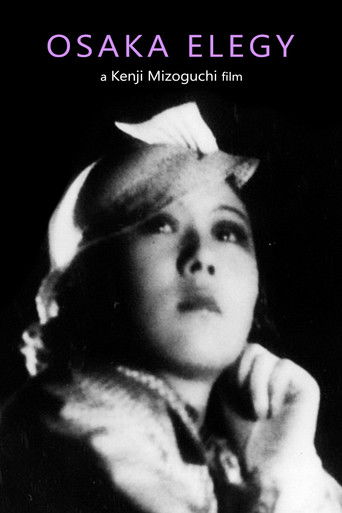
Japanese actress who had a brief but notable appearance in classic Japanese cinema during the 1930s. Her most significant and possibly only known film role was in Kenji Mizoguchi's acclaimed 1936 film 'Osaka Elegy' (Naniwa Erejī), where she played a supporting role alongside the film's star Isuzu Yamada. The film was one of Mizoguchi's early masterpieces and helped establish his reputation as a major director in Japanese cinema. Unfortunately, detailed records about Ôkura's life and career are scarce, which was common for many supporting actors in early Japanese film industry. Her contribution to this important work of Japanese cinema, however brief, places her within the context of the golden era of Japanese filmmaking. The film itself was significant for its critical portrayal of modern Japanese society and the struggles of women in the pre-war period.
The Craft
Milestones
- Appeared in Kenji Mizoguchi's 'Osaka Elegy' (1936)
Best Known For
Iconic Roles
Must-See Films
Working Relationships
Worked Often With
Why They Matter
Impact on Culture
Chiyoko Ôkura's contribution to cinema, while brief, is part of the larger tapestry of Japanese film history during its formative years. Her appearance in 'Osaka Elegy' places her within the context of one of Japan's most important cinematic movements, working alongside director Kenji Mizoguchi who would become. The film itself was for its social commentary and realistic portrayal of urban life in 1930s Japan, and all who contributed to its creation, including supporting actors like Ôkura, played a role in this significant artistic achievement.
Lasting Legacy
While Chiyoko Ôkura may not have achieved widespread recognition during her lifetime, her legacy is preserved through her participation in 'Osaka Elegy,' a film that continues to be studied and appreciated by film scholars and enthusiasts worldwide. The film remains an important artifact of pre-war Japanese cinema and is frequently screened at film festivals and retrospectives dedicated to classic Japanese film. Her contribution, however small, is part of the collaborative art form that created this enduring masterpiece.
Who They Inspired
Given the brief nature of her film career, there is no documented evidence of Chiyoko Ôkura's direct influence on other actors or filmmakers. However, her participation in Mizoguchi's work contributes to the broader influence that Japanese cinema of this period would have on international film development in subsequent decades.
Off Screen
Very little information is available about Chiyoko Ôkura's personal life, which is not uncommon for supporting actors from early Japanese cinema. Records from this period, especially for those with brief film careers, are often incomplete or lost to history.
Did You Know?
- Her entire known film career appears to have been confined to the single year of 1936
- She worked with Kenji Mizoguchi during a pivotal period in his career when he was developing his signature style
- 'Osaka Elegy' was considered controversial in Japan upon its release due to its critical view of Japanese society
- The film was one of the early examples of Japanese cinema gaining international recognition
- Very little biographical information exists about many supporting actors from this period of Japanese cinema
Frequently Asked Questions
Who was Chiyoko Ôkura?
Japanese actress active in 1936, best known for her supporting role in Kenji Mizoguchi's classic film 'Osaka Elegy.' She appears to have had a very brief film career, with this being her most significant or possibly only credited role.
What films is Chiyoko Ôkura best known for?
Titles linked here include Osaka Elegy (1936).
When was Chiyoko Ôkura born and when did she die?
Unfortunately, specific birth and death dates for Chiyoko Ôkura are not available in historical records, which is common for many supporting actors from early Japanese cinema.
What awards did Chiyoko Ôkura win?
There are no documented awards or nominations for Chiyoko Ôkura, which is not unusual for supporting actors in Japanese cinema during the 1930s, especially those with brief careers.
What was Chiyoko Ôkura's acting style?
Due to the limited documentation of her work and the fact that 'Osaka Elegy' appears to be her only known film, there is insufficient information to definitively describe her specific acting style or techniques.