
Films
1 film
About Kensaku Hara
Japanese actor active during the mid-1930s, known primarily for his appearance in Kenji Mizoguchi's acclaimed film 'Osaka Elegy' (1936). His career appears to have been exceptionally brief, with documented activity limited to the single year of 1936, suggesting he may have been a character actor or bit player who appeared in only a handful of productions. Like many supporting actors in early Japanese cinema, Hara's contribution to the film industry, while small, was part of the foundation that helped establish Japan's cinematic golden age. His appearance in 'Osaka Elegy' places him within the context of Mizoguchi's early sound period, a crucial time when Japanese cinema was transitioning from silent films to talkies. The limited documentation of his career is typical of many supporting actors from this era, whose contributions were significant but often went unrecorded in film histories that tended to focus on directors and lead performers. Despite the brevity of his documented career, his participation in such an important film makes him part of Japanese cinema's heritage.
The Craft
Milestones
- Appeared in Kenji Mizoguchi's 'Osaka Elegy' (1936)
- Participated in early Japanese sound cinema
- Contributed to one of Mizoguchi's most significant early works
Best Known For
Iconic Roles
Must-See Films
Working Relationships
Worked Often With
Why They Matter
Impact on Culture
Kensaku Hara's cultural impact, while minimal in scope, is tied to his participation in 'Osaka Elegy,' one of Kenji Mizoguchi's most important early films that helped establish the director's reputation for social criticism and feminist themes. The film itself was groundbreaking for its realistic portrayal of modern urban life in Japan and its sympathetic treatment of women struggling against societal constraints. By contributing to this work, Hara became part of a cinematic milestone that influenced generations of Japanese filmmakers and helped establish Japan's reputation internationally. The film's preservation and continued study means that even minor contributors like Hara remain part of the ongoing dialogue about Japanese cinema's golden age and its social significance.
Lasting Legacy
Kensaku Hara's legacy is intrinsically linked to 'Osaka Elegy,' ensuring that his name appears in film credits and scholarly discussions of Mizoguchi's work. While he may not have achieved individual recognition, his participation in this historically significant film means he is documented in the annals of Japanese cinema history. The continued academic interest in Mizoguchi's early work ensures that even supporting actors like Hara are remembered as part of the collaborative effort that created enduring cinematic art. His brief career exemplifies the many anonymous contributors whose work collectively shaped the foundation of national cinema industries during their formative years.
Who They Inspired
As a supporting actor with an extremely brief documented career, Kensaku Hara's direct influence on other performers or filmmakers is likely minimal. However, his contribution to 'Osaka Elegy' places him within the broader influence of Mizoguchi's work, which profoundly affected subsequent generations of Japanese and international directors. The film itself became part of the cinematic vocabulary that influenced filmmakers worldwide, particularly in its realistic approach to social issues and its innovative visual storytelling techniques. Hara, like many character actors of his era, represents the foundation upon which cinematic artistry is built - the collective contributions of numerous performers who create the authentic worlds that great films require.
Off Screen
Very little is documented about Kensaku Hara's personal life, which is typical for supporting actors from 1930s Japanese cinema whose records were not extensively preserved. Like many character actors of his era, he likely worked within the studio system that dominated Japanese film production during this period.
Did You Know?
- Appeared in only one documented film during his entire career
- Worked with legendary director Kenji Mizoguchi during his early sound period
- Participated in what would become
- All film credits listed here fall in a single year
- Like many Japanese actors from the 1930s, extensive biographical information was not preserved
- His film 'Osaka Elegy' was initially controversial in Japan for its social criticism
- The film he appeared in was one of the early examples of Japanese cinema gaining international attention
- Mizoguchi's films from this period were known for their critical view of Japanese society's treatment of women
Frequently Asked Questions
Who was Kensaku Hara?
Japanese with credits in this catalog.' His career appears to have been extremely brief, with documented work limited to this single year, suggesting he was likely a character actor or bit player in Japan's early sound cinema era.
What films is Kensaku Hara best known for?
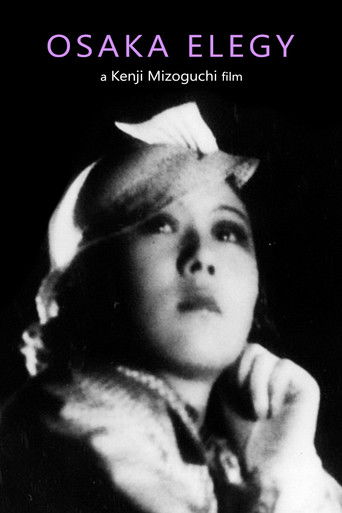
Titles linked here include Osaka Elegy (1936).
When was Kensaku Hara born and when did he die?
Specific birth and death dates for Kensaku Hara are not documented in available sources, which is common for supporting actors from 1930s Japanese cinema whose biographical information was not extensively preserved.
What awards did Kensaku Hara win?
There are no documented awards or nominations for Kensaku Hara, which is typical for character actors with very brief careers in the 1930s Japanese film industry, where formal recognition systems were less established than in Western cinema.
What was Kensaku Hara's acting style?
Specific details about Kensaku Hara's acting style are not documented in available sources. As a supporting actor in 1930s Japanese cinema, he likely worked within the realistic, naturalistic style that director Kenji Mizoguchi was developing in his early sound films.
Why is Kensaku Hara significant in film history?
Kensaku Hara's significance comes from his participation in 'Osaka Elegy,' a landmark film in Japanese cinema history. While his individual contribution was small, he was part of a collaborative effort that created an enduring work of art that influenced generations of filmmakers and continues to be studied by cinema scholars worldwide.