Maximiliano Thous
Director
Born: 1875 in Valencia, Spain Died: 1947 Active: 1920s-1940s Birth Name: Maximiliano Thous Llorens
Films
1 film
About Maximiliano Thous
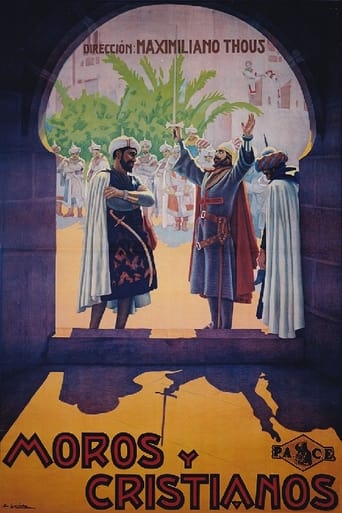
Maximiliano Thous Llorens was a Spanish filmmaker, writer, and journalist who emerged during the silent era of cinema. Born in Valencia in 1875, he became one of the early figures in Spanish cinema, documenting and celebrating the country's rich cultural traditions through the medium of film. His most significant contribution to cinema was the 1926 silent film 'Moros y Cristianos' (Moors and Christians), which dramatized the historical reconstructions of battles between Moors and Christians that remain important cultural festivals in many Spanish regions. Thous approached filmmaking with a documentary sensibility combined with dramatic storytelling, capturing authentic cultural performances while creating engaging narratives. Beyond his work in cinema, he was also known as a writer and journalist, contributing to Spanish cultural discourse through various publications. His career, though primarily concentrated in the 1920s, left a lasting impact on Spanish cinema's early development. Thous continued his work in cultural documentation and writing until his death in 1947, leaving behind a legacy as one of Spain's early cinematic pioneers who sought to preserve and celebrate national traditions through the new art form of film.
The Craft
Behind the Camera
Maximiliano Thous employed a documentary-style approach combined with dramatic narrative techniques. His directing style focused on authenticity and cultural preservation, often featuring real participants from traditional festivals and ceremonies. He had a keen eye for capturing the spectacle and pageantry of Spanish cultural events, using the camera to both document and dramatize historical reenactments. His work demonstrated a commitment to preserving Spanish cultural heritage through the relatively new medium of cinema, blending educational content with entertainment value.
Milestones
- Directed 'Moros y Cristianos' (1926), a landmark Spanish silent film
- Pioneered the documentation of Spanish cultural traditions through cinema
- Combined journalistic approach with filmmaking to create culturally significant works
- Contributed to early Spanish cinema development during the silent era
- Worked as both filmmaker and writer, bridging literature and cinema
Best Known For
Must-See Films
Accolades
Special Recognition
- Recognized as a pioneer of Spanish cinema
- Remembered as an important cultural documentarian of Spanish traditions
Working Relationships
Worked Often With
Studios
Why They Matter
Impact on Culture
Maximiliano Thous made significant contributions to Spanish cinema by being one of the first filmmakers to systematically document and celebrate Spanish cultural traditions on film. His work 'Moros y Cristianos' helped preserve important aspects of Spanish heritage that might otherwise have been lost to time, capturing authentic performances of traditional festivals that continue to be celebrated today. His approach to filmmaking influenced how Spanish culture was portrayed both domestically and internationally, helping to establish a visual language for Spanish cultural documentation. Thous's work represents an important bridge between traditional Spanish culture and modern cinematic expression, showing how new technologies could be used to preserve ancient traditions.
Lasting Legacy
Maximiliano Thous is remembered as one of the pioneers of Spanish cinema who recognized early on the potential of film as a tool for cultural preservation. His film 'Moros y Cristianos' remains an important historical document, providing insight into Spanish cultural traditions of the 1920s and serving as a reference for subsequent generations of filmmakers and cultural historians. His approach to combining documentary realism with dramatic storytelling influenced later Spanish filmmakers working in both documentary and narrative forms. Thous's legacy extends beyond his own films to the broader impact he had on establishing cinema as a legitimate medium for cultural documentation and artistic expression in Spain.
Who They Inspired
Thous influenced subsequent generations of Spanish documentary filmmakers by demonstrating how cinema could serve as both entertainment and cultural preservation. His work inspired filmmakers to look to their own cultural traditions as sources of cinematic material, helping to establish a uniquely Spanish approach to documentary filmmaking. His techniques for capturing cultural performances and ceremonies influenced how ethnographic and cultural films were made in Spain. Later Spanish filmmakers working in the documentary tradition built upon his foundation of combining authentic cultural documentation with cinematic artistry.
Off Screen
Maximiliano Thous was deeply connected to his Valencian roots and Spanish cultural heritage throughout his life. He was part of a generation of Spanish intellectuals who sought to preserve and celebrate national traditions during a period of significant social and political change in Spain. His work as both a filmmaker and writer reflected his passion for Spanish culture and history. Thous lived through the turbulent years of the Spanish Civil War and its aftermath, which likely influenced his focus on documenting and preserving cultural traditions. He remained active in cultural and intellectual circles throughout his life, contributing to various publications and cultural projects until his death in 1947.
Education
Limited information available about his formal education, but he was well-educated in Spanish literature, history, and cultural traditions, which informed his work as both a filmmaker and writer.
Did You Know?
- His full name was Maximiliano Thous Llorens, with Llorens being his maternal surname
- 'Moros y Cristianos' (1926) is considered
- The film he directed depicted actual festival participants rather than professional actors
- Thous was part of a movement of Spanish intellectuals who sought to preserve regional traditions during the early 20th century
- His work coincided with the golden age of Spanish silent cinema before the transition to sound
- The Moors and Christians festivals he documented are still celebrated annually in many Spanish towns
- Thous approached filmmaking with the same investigative rigor he applied to his journalism work
- His film helped establish the visual vocabulary for documenting traditional Spanish festivals
- He was among the first Spanish filmmakers to recognize cinema's potential as an educational tool
- His work provides valuable historical documentation of Spanish cultural practices from the 1920s
In Their Own Words
Cinema is not merely entertainment, but a mirror through which we can preserve the soul of our culture for future generations
In documenting our traditions, we ensure that the spirit of our ancestors continues to live through the moving image
Frequently Asked Questions
Who was Maximiliano Thous?
Maximiliano Thous Llorens was a Spanish filmmaker, writer, and journalist from the silent era who specialized in documenting Spanish cultural traditions through cinema. He is best known for his 1926 film 'Moros y Cristianos,' which captured the traditional festival commemorating historical battles between Moors and Christians in Spain.
What films is Maximiliano Thous best known for?
Titles linked here include Moros y Cristianos (1926).
When was Maximiliano Thous born and when did he die?
Born 1875; died 1947.
What awards did Maximiliano Thous win?
While Maximiliano Thous did not receive major formal awards during his lifetime, he is recognized posthumously as a pioneer of Spanish cinema and an important cultural documentarian. His work is valued for its historical significance and contribution to preserving Spanish cultural heritage.
What was Maximiliano Thous's directing style?
Thous employed a documentary-style approach combined with dramatic narrative techniques, focusing on authenticity and cultural preservation. He often used real festival participants rather than professional actors and had a keen eye for capturing the spectacle of Spanish cultural traditions while creating engaging narratives that educated as well as entertained.