Stuart Paton
Director
Born: July 19, 1883 in Glasgow, Scotland Died: December 16, 1944 Active: 1915-1925
Films
1 film
About Stuart Paton
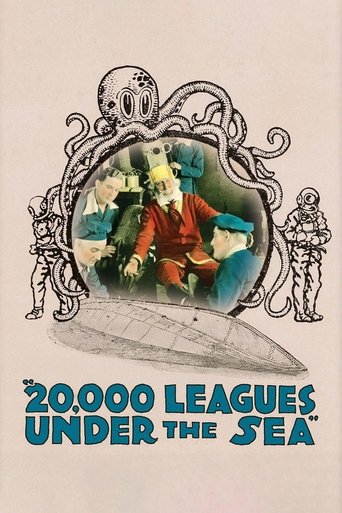
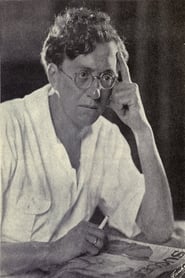
American film director during the silent era, best known for his ambitious 1916 adaptation of Jules Verne's '20,000 Leagues Under the Sea.' Born in Glasgow, Scotland, Paton immigrated to the United States and began his career in the burgeoning film industry in the early 1910s. His most significant achievement was directing the first feature-length adaptation of Verne's classic novel, which was remarkable for its time for incorporating actual underwater photography sequences. Paton worked primarily for Universal Pictures during his career, directing numerous silent films between 1915 and the early 1920s. While his name is not widely remembered today, his technical innovations in underwater cinematography influenced later filmmakers. Paton's the transitional period from short films to feature-length productions, and he adapted to the changing demands of the industry. His later work included directing serials and action-adventure films, though none achieved the same level of recognition as his submarine masterpiece.
The Craft
Behind the Camera
Paton was known for his ambitious technical approach to filmmaking, particularly in incorporating innovative camera techniques. His directing style emphasized spectacle and visual effects, as evidenced by his work with underwater photography. He favored adventure and fantasy subjects, bringing literary classics to life with practical effects and location shooting. Paton's direction often focused on creating immersive visual experiences that pushed the technical boundaries of silent cinema.
Milestones
- Directed 20,000 Leagues Under the Sea (1916)
- Pioneered underwater cinematography techniques
- Worked extensively with Universal Pictures
- Directed multiple film serials
- Adapted literary works for the screen
Best Known For
Must-See Films
Accolades
Special Recognition
- Recognized as a pioneer in underwater cinematography by film historians
Working Relationships
Worked Often With
Studios
Why They Matter
Impact on Culture
Stuart Paton's most significant cultural impact came through his 1916 adaptation of '20,000 Leagues Under the Sea,' which represented a major technical achievement in early cinema. The film's underwater photography sequences, shot in the Bahamas using specially designed watertight camera housings, demonstrated the possibilities of location filming and special effects in silent movies. Paton's work influenced subsequent underwater filmmaking techniques and helped establish adventure and fantasy genres in American cinema. His adaptation of Verne's novel also contributed to the popularization of science fiction themes in early Hollywood films, paving the way for future genre productions.
Lasting Legacy
Stuart Paton's legacy rests primarily on his technical innovations in underwater cinematography and his contribution to early science fiction cinema. While his name may not be widely recognized by contemporary audiences, film historians acknowledge his role in advancing filmmaking techniques during the silent era. His 1916 '20,000 Leagues Under the Sea' remains a significant artifact of early cinema history, studied for its ambitious production methods and visual effects. Paton represents the generation of directors who helped establish the visual language of cinema and pushed the technical boundaries of what was possible in filmmaking during its formative years.
Who They Inspired
Paton influenced subsequent filmmakers through his demonstration of what could be achieved with underwater photography and special effects in the silent era. His work on '20,000 Leagues Under the Sea' inspired other directors to attempt similar technical feats and helped establish underwater sequences as a viable element of commercial cinema. Directors of later underwater films and adventure movies built upon the techniques Paton helped develop. His approach to adapting literary works for the screen also provided a template for other filmmakers working with fantasy and science fiction material during the silent period.
Off Screen
Stuart Paton was born in Scotland and immigrated to the United States in the early 1900s, settling in California to pursue his career in the film industry. He married actress and screenwriter Ella Hall in 1915, who frequently appeared in his films. The couple had two children together, one of whom, Paton Hall, followed in his parents' footsteps and became an actor. Paton's marriage to Hall ended in divorce in the 1920s. He lived primarily in Los Angeles during his active filmmaking years and remained in California until his death in 1944 at the age of 61.
Family
- Ella Hall (1915-1920s)
Did You Know?
- The underwater scenes in 20,000 Leagues Under the Sea were actually filmed in the Bahamas, not in a tank
- Paton used specially constructed watertight camera boxes to achieve underwater photography
- His 1916 film was the first feature-length adaptation of Jules Verne's novel
- The film's production cost approximately $500,000, a huge budget for its time
- Paton's wife Ella Hall appeared in several of his films
- He directed over 60 films during his career, though most are now lost
- The submarine used in 20,000 Leagues was a full-scale prop that could actually submerge
- Paton began his career as an actor before moving into directing
- His real first name was actually William, but he used Stuart professionally
- The success of 20,000 Leagues led to him directing several other submarine-themed films
In Their Own Words
The camera must go where the eye cannot go - beneath the waves, into the depths of imagination
In cinema, we have the power to make the impossible visible and the incredible believable
Every film is a voyage of discovery, both for the audience and for those who create it
Frequently Asked Questions
Who was Stuart Paton?
Scottish-American on YTB.my.' He was a pioneer in underwater cinematography and worked primarily for Universal Pictures, directing numerous films between 1915 and 1925.
What films is Stuart Paton best known for?
Titles linked here include 20,000 Leagues Under the Sea (1916), The Great Sea Battle (1917).
When was Stuart Paton born and when did he die?
Born July 19, 1883; died December 16, 1944.
What awards did Stuart Paton win?
Stuart Paton did not receive major formal awards during his career, as many of the current film awards were not established during his active period. However, he is recognized by film historians as a pioneer in underwater cinematography and early special effects techniques.
What was Stuart Paton's directing style?
Paton's directing style emphasized technical innovation and visual spectacle, particularly in his use of special effects and underwater photography. He favored adventure and fantasy subjects, often adapting literary works, and was known for pushing the technical boundaries of what was possible in silent cinema.