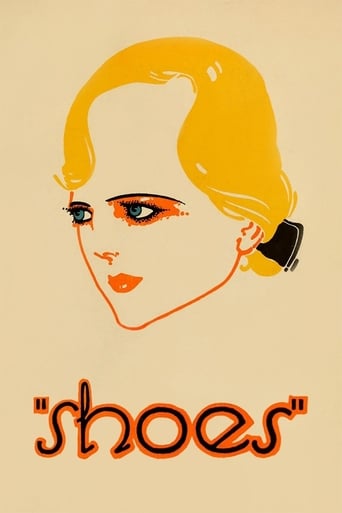
Films
1 film
About Harry Griffith
American silent film actor who had a brief but notable career during the early years of Hollywood cinema. His most significant and well-documented work was in Lois Weber's 1916 social drama 'Shoes,' where he played a supporting role that contributed to the film's powerful narrative about poverty and moral struggle. Griffith worked during a transformative period in American cinema when feature films were becoming the industry standard and social commentary was finding its voice on screen. His collaboration with Lois Weber, female directors of the silent era, places him within a historically significant creative context. While his filmography appears limited primarily to 1916, his participation in 'Shoes' demonstrates his involvement in important early American cinema that addressed pressing social issues. Like many character actors of the silent era, Griffith's contributions helped build the foundation of American film storytelling, even if his name was not widely remembered by later generations.
The Craft
On Screen
As a silent film actor of 1916, Griffith would have employed the exaggerated physical gestures and facial expressions characteristic of the era, using body language to convey emotion and character motivation without dialogue. His performance style would have been influenced by the theatrical traditions that dominated early cinema, where actors needed to communicate clearly to audiences through visual means alone.
Milestones
- Appeared in Lois Weber's influential social drama 'Shoes' (1916)
- Worked during the transitional period when feature films became dominant
- Collaborated with one of silent cinema's most important female directors
Best Known For
Iconic Roles
Must-See Films
Working Relationships
Worked Often With
Studios
Why They Matter
Impact on Culture
Harry Griffith's contribution to cinema, while limited in scope, is significant through his participation in 'Shoes,'. The film itself was groundbreaking for its frank portrayal of poverty and sexual desperation, and Griffith's role, however small, was part of this important cinematic milestone. His work represents the countless character actors who formed the backbone of early American cinema, enabling directors like Lois Weber to create their visionary films.
Lasting Legacy
Harry Griffith's legacy is primarily tied to his appearance in 'Shoes,' a film that has been preserved by film archives and recognized for its historical importance in American cinema. While he may not be remembered individually, his contribution to this significant work ensures his place in film history as part of the ensemble that helped create one of the era's most socially conscious films. The survival and study of 'Shoes' by film scholars means that Griffith's performance continues to be viewed and analyzed as part of early American film history.
Who They Inspired
As a brief contributor to early American cinema, Harry Griffith's direct influence on other performers or filmmakers is not documented. However, his participation in Lois Weber's work contributed to the body of early social problem films that would influence later generations of filmmakers addressing social issues through cinema. The tradition of character actors supporting important storytelling that he participated in continues to be fundamental to filmmaking.
Off Screen
Very little documented information is available about Harry Griffith's personal life, which was common for many supporting actors of the silent era who did not achieve star status. Like many character actors of his time, details about his family background, relationships, and life outside of film work were not extensively recorded in contemporary publications or preserved in film archives.
Did You Know?
- Appeared in 'Shoes' (1916), directed by female filmmaker Lois Weber
- The film 'Shoes' was considered controversial for its time due to its frank treatment of poverty and sexual themes
- Lois Weber was one of the highest-paid and most respected directors of the 1910s
- 'Shoes' has been preserved by the Library of Congress and recognized for its historical significance
- The film was part of a wave of social problem films that emerged in the 1910s
- Griffith's career appears to have been extremely brief, centered around 1916
- Like many silent era actors, much of his personal information has been lost to history
Frequently Asked Questions
Who was Harry Griffith?
American silent film with credits in this catalog.' He was a character actor who worked during the early years of American feature filmmaking.
What films is Harry Griffith best known for?
Titles linked here include Shoes (1916).
When was Harry Griffith born and when did he die?
Specific birth and death dates for Harry Griffith are not documented in available historical records, which is common for many supporting actors of the silent era who did not achieve star status.
What awards did Harry Griffith win?
There are no documented awards or nominations for Harry Griffith, which was typical for character actors of his era during the early years of American cinema before major award systems were established.
What was Harry Griffith's acting style?
As a silent film actor of 1916, Griffith would have used the exaggerated physical gestures and facial expressions characteristic of the era, relying on body language and visual storytelling to convey emotion without dialogue.