Films
2 films
About Sergei Rassatov
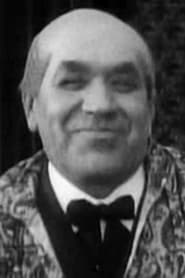
Russian actor who worked during the silent film era, with his known filmography limited to the year 1915. Sergei appears in two significant Russian productions of that period: 'Children of the Age' and 'The 1002nd Ruse,' both released during the height of Russian cinema's golden age before the Bolshevik Revolution. Like many actors of this period, his career was likely disrupted by the political upheavals that would soon transform Russian society and its film industry. The early Russian film industry was producing sophisticated works that competed with European cinema, and actors like Rassatov were part of this artistic flourishing. His brief recorded career suggests he may have been among the many actors whose work was largely lost to history due to the destruction of film archives during the revolutionary period and subsequent wars. The scarcity of information about him is typical of many supporting actors from this era whose contributions were significant but poorly documented.
The Craft
Milestones
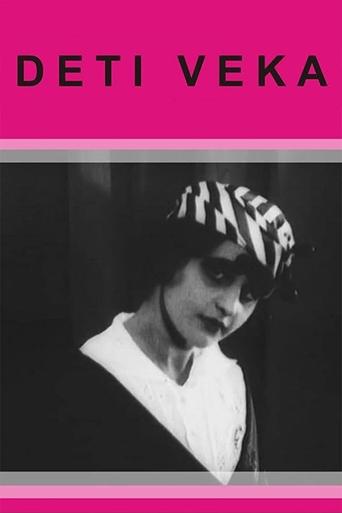
- Appeared in 'Children of the Age' (1915)
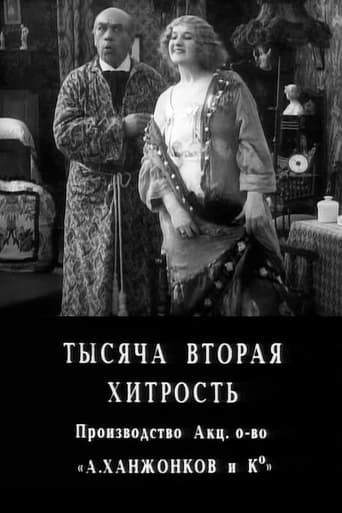
- Appeared in 'The 1002nd Ruse' (1915)
Best Known For
Must-See Films
Why They Matter
Impact on Culture
Sergei Rassatov represents the countless actors from the early Russian silent film era whose contributions have been largely lost to history. His work in 1915 places him during a pivotal period when Russian cinema was producing sophisticated artistic works that would influence international film development. The fact that his filmography is limited to two known films from a single year reflects both the ephemeral nature of early cinema and the tragic loss of Russian film heritage during the revolutionary period. Actors like Rassatov were part of establishing the foundation of Russian cinematic tradition that would later produce renowned filmmakers. His brief career illustrates how many early film actors' work was interrupted or erased by the massive social and political changes that swept Russia in the following decades.
Lasting Legacy
The legacy of Sergei Rassatov is primarily historical, serving as a reminder of the many forgotten artists who contributed to early cinema. His surviving film credits, though few, provide valuable documentation of Russian filmmaking during its pre-revolutionary golden age. While he may not have achieved the lasting fame of contemporaries like Ivan Mozzhukhin or Vera Kholodnaya, his participation in these 1915 productions makes him part of the fabric of early Russian cinema history. The scarcity of information about actors like Rassatov underscores the importance of film preservation and historical documentation in maintaining cultural memory.
Who They Inspired
Due to the limited documentation of Sergei Rassatov's career and the apparent brevity of his time in cinema, his direct influence on other actors or filmmakers cannot be reliably determined. However, like all actors working during this formative period, he would have contributed to the development of acting techniques and performance styles specific to silent film that would influence subsequent generations of Russian performers.
Off Screen
Very little is known about Sergei Rassatov's personal life, which is typical of many actors from the early Russian silent film era. The lack of surviving documentation makes it difficult to piece together details about his family background, relationships, or life outside of his brief film career.
Did You Know?
- Sergei Rassatov's entire known filmography consists of only two films from the year 1915
- Both of his known films were produced during the peak of pre-revolutionary Russian cinema
- The 1915 Russian film industry was
- Many Russian films from this period were lost due to political upheaval and archive destruction
- Actors from this era often worked in theater as well as film to support themselves
- Russian silent films of 1915 were known for their sophisticated cinematography and psychological depth
- The film industry in Russia was centered primarily in Moscow and St. Petersburg during this period
- Many actors from this period changed their names or used pseudonyms, making historical research difficult
Frequently Asked Questions
Who was Sergei Rassatov?
Screen credits include two films in 1915: 'Children of the Age' and 'The 1002nd Ruse.' Very little is known about his life or career beyond these two film credits.
What films is Sergei Rassatov best known for?
Titles linked here include Children of the Age (1915), The 1002nd Ruse (1915).
When was Sergei Rassatov born and when did he die?
Specific birth and death dates for Sergei Rassatov are not known, which is typical for many supporting actors from the early Russian silent film era whose records have been lost to history.
What awards did Sergei Rassatov win?
There are no known awards or honors recorded for Sergei Rassatov, which was common for actors of his era during the early days of cinema when formal award systems had not yet been established.
What was Sergei Rassatov's acting style?
Due to the lack of surviving documentation and films, Sergei Rassatov's specific acting style cannot be determined. However, actors in Russian cinema of 1915 typically employed the theatrical style common to silent film, emphasizing expressive gestures and facial features.