Films
2 films
About B. Nandrekar
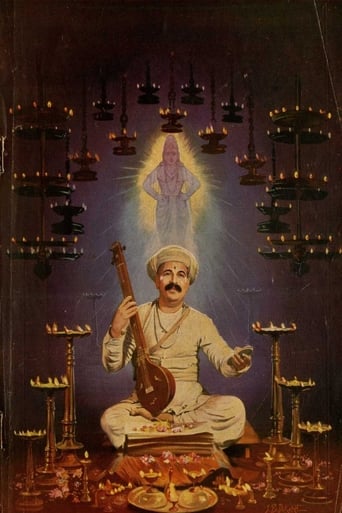
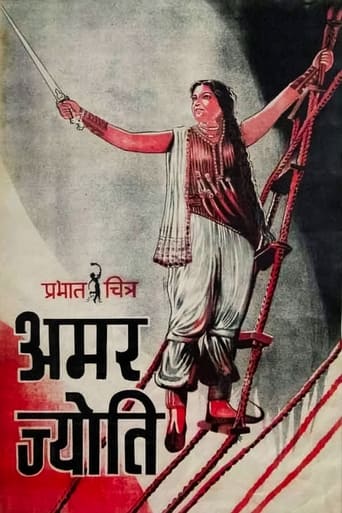
Actor in the early era of Indian cinema, primarily active during the mid-1930s. His most notable work came in 1936 when he appeared in two significant films of early Indian talkies. He played a supporting role in 'Sant Tukaram' (1936), which became films in Indian cinema history and was the first Indian film to gain international recognition at the Venice Film Festival. The same year, he also appeared in 'Amar Jyoti' (1936), another important early Indian production. Nandrekar was part of the generation of actors who transitioned from silent films to talkies in Indian cinema. His career, while brief, coincided with a crucial period when Indian cinema was establishing its artistic identity and technical capabilities. Unfortunately, detailed records about many actors from this era are limited, making comprehensive documentation of his complete filmography and career trajectory challenging.
The Craft
Milestones
- Appeared in 'Sant Tukaram' (1936),
- Acted in 'Amar Jyoti' (1936)
- Participated in the transition from silent to sound era in Indian cinema
Best Known For
Iconic Roles
Must-See Films
Working Relationships
Worked Often With
Studios
Why They Matter
Impact on Culture
B. Nandrekar, though a supporting actor, was part of 'Sant Tukaram' (1936), which had a profound cultural impact on Indian cinema. This film was groundbreaking as it was one of the first Indian films to receive international acclaim, winning an honorary diploma at the Venice Film Festival in 1937. The film's success demonstrated that Indian cinema could produce works of artistic merit that resonated globally, not just domestically. By participating in this culturally significant production, Nandrekar contributed to a milestone that helped establish Indian cinema's legitimacy on the world stage. The film's portrayal of the 17th-century saint Tukaram also helped preserve and popularize Maharashtra's cultural and religious heritage through the medium of cinema.
Lasting Legacy
B. Nandrekar's legacy is primarily tied to his participation in historically significant films of early Indian cinema. While he may not have been a leading star, his contribution to 'Sant Tukaram' places him within the important narrative of Indian cinema's development. The film itself remains a reference point in film studies courses and is frequently cited as one of the greatest Indian films ever made. As such, Nandrekar's work, though limited in scope, is preserved as part of this cinematic heritage. His career exemplifies the many actors from early Indian cinema whose names may not be widely remembered today but who contributed to the foundation upon which the Indian film industry was built.
Who They Inspired
Due to the limited documentation of B. Nandrekar's career and the brevity of his known filmography, it's difficult to trace his specific influence on other actors or filmmakers. However, as part of the ensemble in groundbreaking early Indian films, he and his contemporaries helped establish acting conventions and techniques for the talkie era in Indian cinema. The success of films like 'Sant Tukaram' influenced generations of Indian filmmakers to explore spiritual and cultural themes, and actors like Nandrekar were part of this foundational movement.
Off Screen
Very limited information is available about B. Nandrekar's personal life, which is common for actors from the early period of Indian cinema. Documentation from this era was often sparse, and many personal details of supporting actors were not preserved in historical records.
Did You Know?
- B. Nandrekar appeared in two films in 1936, both of which are considered important in early Indian cinema history
- 'Sant Tukaram' was the first Indian film to be screened at an international film festival (Venice, 1937)
- The film was made by Prabhat Film Company, one of the studios of Indian cinema
- Despite being made in 1936, 'Sant Tukaram' still survives and is preserved as a classic of Indian cinema
- Early Indian cinema actors like Nandrekar often had to adapt quickly from silent film acting to the new demands of sound films
- Many supporting actors from this era of Indian cinema have limited biographical information available
- The success of 'Sant Tukaram' helped establish Marathi cinema as a significant regional film industry
Frequently Asked Questions
Who was B. Nandrekar?
Indian with credits in this catalog. He was part of the generation of actors who worked during the transition from silent films to talkies in Indian cinema.
What films is B. Nandrekar best known for?
Titles linked here include Sant Tukaram (1936), Amar Jyoti (1936).
When was B. Nandrekar born and when did he die?
Unfortunately, detailed biographical information about B. Nandrekar's birth and death dates is not readily available, which is common for many supporting actors from early Indian cinema where documentation was often limited.
What awards did B. Nandrekar win?
While B. Nandrekar himself did not receive documented individual awards, the film 'Sant Tukaram' (1936) in which he appeared won an honorary diploma at the Venice Film Festival in 1937, making it one of the first Indian films to gain international recognition.
What was B. Nandrekar's acting style?
Specific details about B. Nandrekar's acting style are not well-documented, but as an actor in early Indian talkies, he likely employed theatrical techniques adapted from stage traditions that were common in cinema of that era.
What was the significance of the films B. Nandrekar appeared in?
The films B. Nandrekar appeared in, particularly 'Sant Tukaram', were historically significant as they helped establish Indian cinema's artistic credibility both domestically and internationally. 'Sant Tukaram' is considered a masterpiece of early Indian cinema and remains influential in film history.