Sant Tukaram
"Maharashtra's saint poet on screen"
Keys: Space play/pause · ←/→ 10s · F fullscreen · M mute · </> speed
About this film
Prabhat's biopic honors seventeenth-century saint-poet Tukaram and his turn from Sanskrit court poetry to Marathi verse for the people. A 1936 classic of devotional cinema.
Cast & crew
More films like this
More Drama films
View all →







More from Vishnupant Govind Damle
View all →
More about this film
About the production
Release dateDecember 12, 1936
Box officeHighly successful - ran for over a year in theaters and broke box office records of its time
ProductionPrabhat Film Company
Filmed inKolhapur, Maharashtra, Pune, Maharashtra
The film was made during the golden era of Prabhat Film Company, one of India's most prestigious studios of the 1930s. The production faced significant challenges in recreating 17th-century Maharashtra with limited resources. Director Vishnupant Damle and his team conducted extensive research on Tukaram's life, consulting historical texts and visiting places associated with the saint. The film was made in both Marathi and Hindi versions simultaneously, a common practice in early Indian cinema to maximize audience reach. The casting of Vishnupant Pagnis as Tukaram was particularly significant as he was already known for his devotional singing and brought authentic spiritual depth to the role.
Themes
Devotion and BhaktiSpiritual Democracy and EqualityRejection of OrthodoxyPower of Vernacular LiteratureFaith versus Materialism
Themes & topics
Saint PoetDevotional Cinema17th Century MaharashtraVarkari TraditionSpiritual JourneyReligious PersecutionDivine MiraclesFolk TraditionMarathi LiteratureBhakti MovementSpiritual AscensionReligious Reform
Historical background
Released in 1936, Sant Tukaram belongs to the early sound era and reflects production norms of its release season.
Why this film matters
Sant Tukaram contributes to understanding regional output and audience tastes around 1936.
Making of
The making of Sant Tukaram was a collaborative effort between directors Vishnupant Damle and Sheikh Fattelal, who co-directed the film under the Prabhat Film Company banner. The production team conducted extensive research on Tukaram's life, consulting historical texts, visiting Dehu (Tukaram's birthplace), and studying the Varkari tradition to ensure authenticity. The casting process was meticulous, with Vishnupant Pagnis being selected for his deep knowledge of Tukaram's poetry and his reputation as a devotional singer. The film's production was marked by the directors' commitment to spiritual authenticity - they consulted with scholars and practitioners of the Varkari sect to accurately depict the religious practices and philosophical aspects of Tukaram's teachings. The cinematography by S. Fattelal (also co-director) was groundbreaking for its time, using innovative camera techniques to create spiritual and mystical atmospheres. The film's success was also attributed to its music, which featured actual abhangas composed by Tukaram, arranged by Keshavrao Bhole in a way that was both authentic to the period and appealing to contemporary audiences.
What critics said
Review records for Sant Tukaram are typical of 1936: brief for shorts, more sustained for features.
Did you know?
- Sant Tukaram was the first Indian film to be screened at an international film festival, receiving critical acclaim at the 1937 Venice Film Festival
- The film was selected as one of the three best films of the world at the Venice Film Festival, making it the first Indian film to achieve such international recognition
- Vishnupant Pagnis, who played Tukaram, was a renowned kirtankar (devotional singer) in real life and brought authentic spiritual authenticity to his performance
- The film's success led to a surge of saint films in Indian cinema, establishing a new genre of devotional cinema
- The original print of the film was preserved by the National Film Archive of India, though some portions remain damaged due to the nitrate film degradation common to that era
- The film was made in both Marathi and Hindi versions, with the Hindi version titled 'Sant Tukaram' as well
- The character of Tukaram's wife Jijabai was played by Gauri, who became among the leading respected actresses of early Indian cinema
- The film's music was composed by Keshavrao Bhole, who incorporated traditional Marathi folk music and abhangas (devotional songs) into the soundtrack
- The film's depiction of Tukaram's ascent to heaven in a divine chariot was achieved through innovative special effects techniques for the 1930s
- The film was re-released multiple times over the decades, each time drawing significant audiences, demonstrating its enduring appeal
Awards & recognition
- Best Film Award at the 1937 Venice Film Festival (International recognition)
- Certificate of Merit at the Venice Film Festival 1937
- Best Film Award at the Bombay Film Society
- Preservation Award from National Film Archive of India
Visual style
The cinematography of Sant Tukaram was groundbreaking for its time, employing innovative techniques to create spiritual and mystical atmospheres that enhanced the film's devotional themes. S. Fattelal, who also co-directed the film, used chiaroscuro lighting to create dramatic contrasts between the material and spiritual worlds. The camera work was particularly notable in scenes depicting Tukaram's visions and his eventual ascent to heaven, where innovative special effects were used to create the illusion of divine intervention. The film used deep focus photography to create layered compositions that emphasized the connection between the earthly and divine realms. The cinematography also paid careful attention to recreating 17th-century Maharashtra, with detailed attention to period architecture, costumes, and landscapes. The film's visual style was influenced by traditional Indian art forms, with compositions often resembling religious paintings. The camera movement was deliberately contemplative, with long takes that allowed audiences to immerse themselves in the spiritual atmosphere. The cinematography successfully balanced realism in depicting everyday life with stylized visual poetry in spiritual sequences, creating a unique visual language that served the film's devotional purpose.
Innovations
Sant Tukaram achieved several technical breakthroughs for Indian cinema in 1936. The film pioneered special effects techniques for depicting supernatural phenomena, particularly in the scene showing Tukaram's ascent to heaven in a divine chariot, which was accomplished using multiple exposure techniques and matte paintings. The sound recording was innovative for its time, capturing the nuances of devotional singing and creating a rich auditory experience that enhanced the film's spiritual atmosphere. The film's production design successfully recreated 17th-century Maharashtra with remarkable attention to historical detail, from architecture to costumes to everyday objects. The editing technique was sophisticated for its era, using rhythmic cutting to create emotional crescendos during devotional sequences. The film also demonstrated advanced makeup and prosthetic techniques to age characters convincingly over the course of the narrative. The cinematography employed innovative lighting techniques to create spiritual effects, using natural light and shadows to symbolize the presence of divine intervention. The film's technical achievements were particularly remarkable given the limited resources available to Indian cinema in the 1930s, demonstrating the ingenuity and creativity of the Prabhat Film Company team.
Music
The soundtrack of Sant Tukaram was composed by Keshavrao Bhole, who masterfully incorporated traditional Marathi folk music and abhangas (devotional songs) composed by Tukaram himself. The music was revolutionary for its time in its authentic use of regional musical traditions rather than the classical Hindustani music that dominated Indian cinema. The film featured 23 songs, many of which were actual abhangas written by Tukaram, sung by Vishnupant Pagnis with remarkable spiritual intensity. The musical arrangements were simple yet profound, using traditional instruments like the tabla, harmonium, and manjira to create an authentic devotional atmosphere. The songs were not merely musical interludes but integral to the narrative, advancing the plot and revealing character motivations. The soundtrack's success lay in its ability to make 17th-century devotional music accessible and appealing to 1930s audiences without compromising its spiritual essence. Many songs from the film became classics and continue to be sung in Maharashtra's devotional gatherings. The film's soundtrack established a new paradigm for devotional music in Indian cinema, influencing generations of music directors who followed.
Famous quotes
He who sings the glory of God, his heart becomes the temple of the Lord
Caste and creed are but illusions; devotion alone is real
The poor and the rich are equal in the eyes of God
I seek not wealth or fame, only the divine love of my Lord Vitthala
Sanskrit is for the learned, but the Lord's name belongs to all
My poetry is not mine, but the voice of the divine speaking through me
Those who mock the devotee mock God himself
True devotion lies not in rituals but in love and compassion
The path to God is open to all, regardless of birth or status
I am but a humble servant, singing the glory of my beloved Lord
Memorable scenes
- Tukaram's first divine vision where Lord Vitthala appears to him in a dream, establishing his spiritual calling
- The powerful confrontation scene where Tukaram debates with orthodox Brahmins about his right to compose devotional poetry in Marathi
- The emotional sequence depicting Tukaram's grief over the death of his family members and his unwavering faith through tragedy
- The miraculous scene where Tukaram's uncooked grains of rice sprout and grow, demonstrating his divine powers to skeptical villagers
- The climactic ascent to heaven where Tukaram is taken up in a divine chariot while his followers watch in awe and devotion
- The scene where Tukaram distributes his sacred books to the crowd, emphasizing the democratization of spiritual knowledge
- The powerful musical sequence where Tukaram sings his famous abhangas, creating a trance-like atmosphere among his followers
- The emotional farewell scene where Tukaram blesses his followers before his spiritual departure
What audiences thought
Sant Tukaram was an enormous commercial success upon its release, running for over a year in theaters across Maharashtra and other parts of India. Audiences were deeply moved by the film's spiritual message and authentic portrayal of their beloved saint. The film's devotional songs became immensely popular and were sung in households across Maharashtra for generations. The film's success was particularly remarkable given that it was made in Marathi, a regional language, yet it found audiences across linguistic barriers due to its universal spiritual themes. The film's re-releases over the decades have consistently drawn significant audiences, demonstrating its enduring appeal. Contemporary audiences continue to connect with the film's message of devotion, equality, and spiritual liberation. The film has become a cultural touchstone in Maharashtra, with many families considering it a tradition to watch the film during religious festivals. The film's emotional impact on audiences remains as strong today as it was in 1936, with many viewers reporting spiritual experiences while watching the film.
Film connections
Influenced by
- Traditional Marathi folk theater (Tamasha)
- Classical Indian religious texts
- Western religious epics like 'The Ten Commandments'
- Italian neorealist cinema's focus on common people
- Traditional Indian miniature painting for visual composition
- Varkari pilgrimage traditions and practices
This film influenced
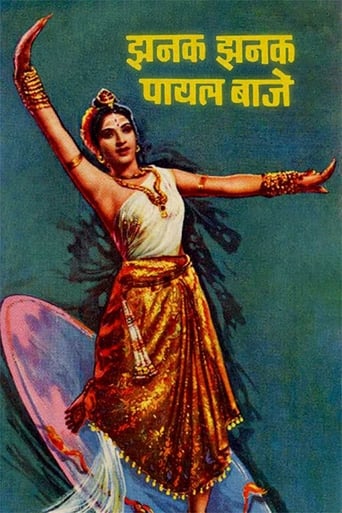
- Jhanak Jhanak Payal Baaje (1955)
- Meera (1945)
- Satyakam (1969)
- Gandhi (1982)
- Lagaan (2001)
- The Color of Paradise (1999)
- Kanchivaram (2008)
- Bajirao Mastani (2015)
- Sairat (2016)
- Newton (2017)
Film restoration
Sant Tukaram has been partially preserved by the National Film Archive of India in Pune, though some portions of the original nitrate print have suffered damage due to the natural degradation process common to films of that era. The Archive has undertaken restoration efforts to preserve what remains of this cinematic masterpiece. Several international film archives, including the British Film Institute and the Cinematheque Francaise, also hold copies of the film. A restored version was prepared for the film's 75th anniversary in 2011, though some scenes remain incomplete. The film has been digitized as part of India's cinematic heritage preservation initiative, ensuring its survival for future generations. Despite some lost footage, the film's narrative and artistic integrity remain largely intact, allowing contemporary audiences to experience its spiritual power and historical significance.
Where to watch
- National Film Archive of India (Pune) - occasional special screenings
- YouTube - partial clips and songs available
- Various Indian film festivals during retrospectives
- Doordarshan (Indian National Television) - occasional broadcasts
- Cultural centers and museums in Maharashtra during special events
- Film Heritage Foundation screenings
- MAMI Mumbai Film Festival archive screenings
- International Indian Film Academy (IIFA) Heritage screenings