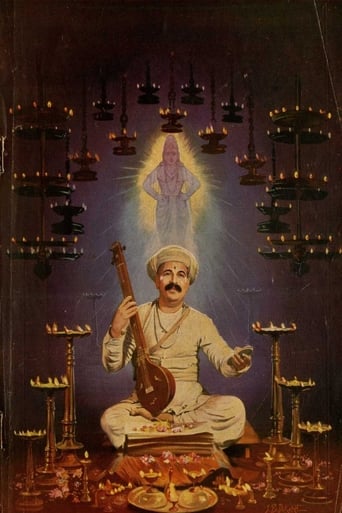
Films
1 film
About Shanta Majumdar
This archive lists one role for Shanta Majumdar: Sant Tukaram (1936). Gaining recognition for her role in the landmark 1936 Marathi film 'Sant Tukaram'. Her career, though brief, coincided with a pivotal period in Indian cinema when the industry was transitioning from silent films to sound. She was part of the cast of Indian films of the 1930s, which would later become the first Indian film to be screened at an international film festival. Her performance in 'Sant Tukaram' demonstrated the emerging talent in regional cinema during this formative period. Despite appearing in only this one known film, her contribution to this cinematic masterpiece has preserved her name in Indian film history. The film itself was directed by the duo V. Damle and S. Fattelal and became a cultural phenomenon, making all its cast members part of cinema history.
The Craft
Milestones
- Appeared in the landmark film 'Sant Tukaram' (1936)
- Participated in one of the first Indian films to gain international recognition
- Contributed to early Marathi cinema during its golden era
Best Known For
Iconic Roles
Must-See Films
Working Relationships
Worked Often With
Studios
Why They Matter
Impact on Culture
Shanta Majumdar's contribution to Indian cinema, though limited to one film, is significant due to her participation in 'Sant Tukaram', which became a cultural touchstone in Indian film history. The film was instrumental in establishing the devotional genre in Indian cinema and showcased the potential of regional language films to achieve both critical acclaim and commercial success. Her role in this film places her among the early women who helped shape Indian cinema during its formative years.
Lasting Legacy
Shanta Majumdar's legacy is preserved through her association with 'Sant Tukaram', a film that continues to be studied and celebrated as a masterpiece of early Indian cinema. The film's inclusion in the Cannes Film Festival in 1937 made it the first Indian film to achieve such international recognition, ensuring that all its cast members, including Majumdar, remain part of cinema history. Her contribution serves as a reminder of the many unsung artists who participated in creating foundational works of Indian cinema.
Who They Inspired
As an early contributor to one of India's most important classic films, Shanta Majumdar represents the generation of actors who helped establish the foundations of Indian cinema. Her work in 'Sant Tukaram' contributed to setting standards for devotional cinema in India and demonstrated the potential for regional films to achieve artistic excellence and cultural significance.
Off Screen
Very little is documented about Shanta Majumdar's personal life, which was common for many supporting actors in early Indian cinema. Her brief film career suggests she may have been primarily focused on other professional pursuits or family responsibilities outside of acting.
Did You Know?
- 'Sant Tukaram' was the first Indian film to be screened at an international film festival (Venice Film Festival, 1937)
- The film was made in Marathi language, showcasing the importance of regional cinema in India
- Shanta Majumdar appeared in only one known film, making her a one-film wonder
- The film was directed by the duo V. Damle and S. Fattelal, who were pioneers in Indian cinema
- 'Sant Tukaram' was one of the earliest Indian films to deal with religious themes in a serious, artistic manner
- The film was produced by Prabhat Film Company,
- Despite being made in 1936, the film's themes and artistic quality remain relevant today
Frequently Asked Questions
Who was Shanta Majumdar?
Screen credits include the landmark 1936 Marathi film 'Sant Tukaram'. Her career was brief but significant due to her participation in.
What films is Shanta Majumdar best known for?
Titles linked here include Sant Tukaram (1936).
When was Shanta Majumdar born and when did she die?
Specific birth and death dates for Shanta Majumdar are not documented in available historical records, which was common for many supporting actors in early Indian cinema.
What awards did Shanta Majumdar win?
There are no documented awards for Shanta Majumdar, though the film 'Sant Tukaram' itself received significant recognition including being featured at the Venice Film Festival in 1937.
What was Shanta Majumdar's acting style?
Specific details about Shanta Majumdar's acting style are not well-documented, but as part of 'Sant Tukaram', she would have worked within the realistic, devotional approach that made the film for its time.