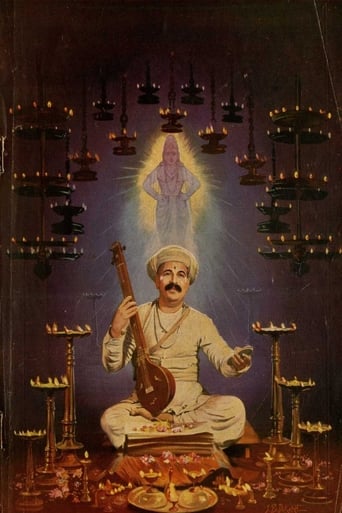
Vishnupant Govind Damle
Director
Born: October 14, 1892 in Kolhapur, Maharashtra, India Died: July 13, 1945 Active: 1929-1945
Films
2 films
About Vishnupant Govind Damle
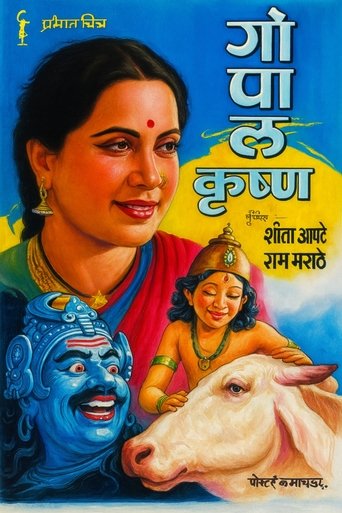
Filmmaker in early Indian cinema, particularly renowned for his work in Marathi films during the transition from silent to sound era. He co-founded the Prabhat Film Company and formed a celebrated directorial partnership with Sheikh Fattelal, creating some of the most significant films of the 1930s. Their masterpiece 'Sant Tukaram' (1936) became the first Indian film to receive international recognition when it was screened at the Venice Film Festival, where it won an honorary diploma. Damle was not only a director but also a skilled cinematographer, bringing visual artistry to his films that was ahead of its time. His collaboration with Fattelal produced several other notable films including 'Gopal Krishna' (1938), which continued their tradition of devotional cinema with technical excellence. Despite his relatively brief career, Damle's impact on Indian cinema was profound, establishing new standards for devotional films and demonstrating that Indian cinema could compete on the international stage. His untimely death in 1945 at age 52 cut short a career that had already revolutionized Indian filmmaking.
The Craft
Behind the Camera
Vishnupant Damle's directing style was characterized by deep spiritual devotion combined with technical innovation and visual poetry. He approached devotional subjects with profound reverence while maintaining cinematic sophistication, using natural locations and authentic performances to create immersive spiritual experiences. His collaboration with Sheikh Fattelal resulted in a unique visual language that blended traditional Indian artistic sensibilities with modern cinematic techniques, particularly evident in their masterful use of lighting, composition, and camera movement to enhance the spiritual themes of their films.
Milestones
- Co-founded Prabhat Film Company, one of India's most important early studios
- Directed 'Sant Tukaram' (1936), first Indian film to gain international recognition
- Won honorary diploma at Venice Film Festival for 'Sant Tukaram'
- Pioneered devotional cinema genre in Indian film industry
- Established technical and artistic standards for early Indian sound films
Best Known For
Must-See Films
Accolades
Won
- Honorary Diploma, Venice Film Festival (1937) for Sant Tukaram
Nominated
- Venice International Film Festival - Best Foreign Film (1937) for Sant Tukaram
Special Recognition
- Recognized as pioneer of Indian cinema at various film festivals and retrospectives
Working Relationships
Worked Often With
Studios
Why They Matter
Impact on Culture
Vishnupant Damle's cultural impact extends far beyond his filmography, as he helped establish Indian cinema's international presence during its formative years. 'Sant Tukaram' demonstrated that Indian films could compete globally, opening doors for future Indian filmmakers at international festivals. His work preserved and popularized traditional Indian spiritual stories and values through the modern medium of cinema, helping maintain cultural continuity during a period of rapid modernization. The film's success also proved that regional language films could achieve universal appeal, encouraging the development of various Indian language film industries.
Lasting Legacy
Vishnupant Damle's legacy is that of a visionary who helped establish Indian cinema's artistic credentials on the world stage. His masterpiece 'Sant Tukaram' remains. The technical and artistic standards he set for devotional cinema influenced generations of Indian filmmakers, and his work at Prabhat Film Company helped establish the studio system in India. Despite his relatively brief career, Damle's innovations in cinematography and his sensitive approach to spiritual subjects created a template for quality cinema in India that continues to influence filmmakers today.
Who They Inspired
Damle's influence on Indian cinema is profound and multifaceted, particularly in how he demonstrated the potential of cinema as a medium for spiritual and cultural expression. His success with 'Sant Tukaram' inspired other filmmakers to tackle devotional subjects with artistic integrity rather than mere commercial exploitation. The visual techniques he developed, especially his use of natural lighting and authentic locations, influenced the aesthetic approach of subsequent Indian filmmakers. His collaboration with Sheikh Fattelal also set a precedent for creative partnerships in Indian cinema, showing how artistic collaboration could elevate the medium beyond individual efforts.
Off Screen
Vishnupant Damle was deeply committed to his craft and the spiritual themes that permeated his work. He was known for his humble nature despite his significant contributions to cinema. His partnership with Sheikh Fattelal extended beyond professional collaboration into a deep personal friendship that was rare in the competitive film industry. Damle was married and had children, though specific details about his family life are limited in historical records. His dedication to cinema was such that he continued working even as his health declined in his final years.
Education
Limited formal education, primarily self-taught in cinema and photography
Family
- Unknown - historical records limited
Did You Know?
- Sant Tukaram was the first Indian film to be screened at an international film festival
- The film was made on a modest budget but achieved critical acclaim worldwide
- Damle was not just a director but also a skilled cinematographer and technician
- He co-founded Prabhat Film Company which became one of India's most prestigious early studios
- Sant Tukaram was one of the earliest Indian films to preserve authentic Marathi culture
- The film's success led to international distribution in several countries
- Damle and Fattelal's partnership was
- Despite being a devotional film, Sant Tukaram attracted audiences across religious lines
- The film was restored and preserved as part of India's cinematic heritage
- Damle died relatively young, cutting short a career that had already made history
In Their Own Words
Cinema is not just entertainment; it is a medium to preserve our culture and spirituality for future generations
When we make films about saints, we must approach them with the same devotion that the saints approached God
Frequently Asked Questions
Who was Vishnupant Govind Damle?
Indian filmmaker and cinematographer who co-directed the landmark 1936 film 'Sant Tukaram', the first Indian film to gain international recognition. He was a co-founder of Prabhat Film Company and formed a celebrated directorial partnership with Sheikh Fattelal, creating some of the most significant early Indian films during the transition from silent to sound cinema.
What films is Vishnupant Damle best known for?
Titles linked here include Sant Tukaram (1936), Gopal Krishna (1938).
When was Vishnupant Damle born and when did he die?
Born October 14, 1892; died July 13, 1945.
What awards did Vishnupant Damle win?
Vishnupant Damle's most significant recognition was an honorary diploma at the 1937 Venice Film Festival for 'Sant Tukaram', making it the first Indian film to receive international acclaim. The film was also nominated for Best Foreign Film at Venice. These achievements were groundbreaking for Indian cinema and established Damle as an internationally recognized filmmaker.
What was Vishnupant Damle's directing style?
Damle's directing style combined deep spiritual devotion with technical innovation and visual poetry. He approached devotional subjects with profound reverence while maintaining cinematic sophistication, using natural locations and authentic performances. His collaboration with Fattelal created a unique visual language that blended traditional Indian artistic sensibilities with modern cinematic techniques, particularly evident in their masterful use of lighting and composition.