Films
1 film
About Kusum Bhagwat
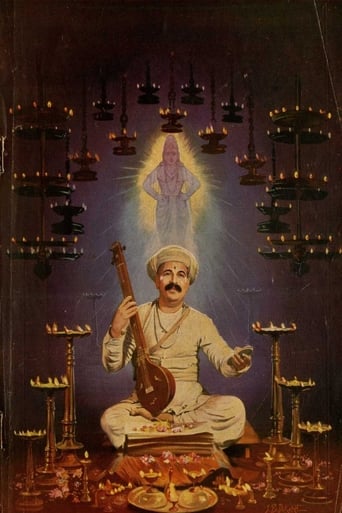
Kusum Bhagwat appears once in this catalog: Sant Tukaram (1936). Gaining recognition for her role in the landmark 1936 film 'Sant Tukaram.' Her career, though brief, coincided with a transformative period in Indian cinema when the industry was transitioning from silent films to sound. She worked primarily in Marathi cinema, which was experiencing a cultural renaissance in the 1930s with films that focused on social and religious themes. Her performance in 'Sant Tukaram' came during a time when Indian cinema was beginning to establish its unique identity separate from Western influences. The film itself was as it became the first Indian film to receive international recognition at the Venice Film Festival. Unfortunately, like many actors from this early period, detailed documentation of her career and personal life remains limited, with her filmography seemingly confined to this single notable appearance in 1936.
The Craft
Milestones
- Appeared in the groundbreaking Marathi film 'Sant Tukaram' (1936)
- Participated in one of the first Indian films to gain international acclaim
Best Known For
Iconic Roles
Must-See Films
Working Relationships
Worked Often With
Studios
Why They Matter
Impact on Culture
Kusum Bhagwat's contribution to Indian cinema, while brief, is part of the broader cultural movement that established Indian cinema's identity in the 1930s. Her participation in 'Sant Tukaram' placed her within a film that demonstrated how Indian cinema could address spiritual and social themes while maintaining artistic excellence. The film's success at the Venice Film Festival in 1937, where it received a special recommendation, helped put Indian cinema on the international map. Early actors like Bhagwat were pioneers who helped establish the foundation for what would become one of the world's largest film industries.
Lasting Legacy
Kusum Bhagwat's legacy is primarily tied to her association with 'Sant Tukaram,' a film that remains a milestone in Indian cinema history. Though her career appears to have been limited to this single notable work, her contribution is preserved as part of a film that continues to be studied and celebrated for its artistic and cultural significance. The film itself is frequently cited as one of the greatest Indian films ever made, ensuring that her name remains connected to this important chapter of cinematic history.
Who They Inspired
While specific details about Kusum Bhagwat's influence on other actors are not documented, her work in 'Sant Tukaram' contributed to the early development of acting styles in Indian cinema. The film's realistic portrayal of spiritual themes set new standards for performances in religious and mythological films, influencing generations of actors who would follow in similar roles.
Off Screen
Very limited information is available about Kusum Bhagwat's personal life, which is typical for many actors from early Indian cinema. Like many performers from this era, detailed biographical records were not systematically maintained, and much of the documentation has been lost over time.
Did You Know?
- 'Sant Tukaram' was one of the first Indian films to receive international recognition
- The film was made by Prabhat Film Company, one of the studios in Indian cinema
- 'Sant Tukaram' was selected for screening at the Venice International Film Festival in 1937
- The film was based on the life of the 17th-century Varkari saint Tukaram
- Only a few actors from this early period of Indian cinema have extensive biographical documentation
- The film's success helped establish Marathi cinema as a significant force in Indian film industry
- Early Indian cinema actors often worked in multiple language films due to regional cinema overlap
Frequently Asked Questions
Who was Kusum Bhagwat?
Indian actress from the early era of Indian talkies, best known for her appearance in the 1936 Marathi film 'Sant Tukaram.' Her career appears to have been brief but significant as she was part of a groundbreaking film that gained international recognition.
What films is Kusum Bhagwat best known for?
Titles linked here include Sant Tukaram (1936).
When was Kusum Bhagwat born and when did she die?
Specific birth and death dates for Kusum Bhagwat are not documented in available historical records, which is common for many actors from early Indian cinema.
What awards did Kusum Bhagwat win?
There are no documented individual awards for Kusum Bhagwat, though the film 'Sant Tukaram' received international recognition, including a special recommendation at the Venice Film Festival in 1937.
What was Kusum Bhagwat's acting style?
While specific details about her acting style are not documented, actors in 'Sant Tukaram' were noted for their realistic portrayals that departed from the theatrical style common in early Indian cinema.
What was the significance of 'Sant Tukaram' in Indian cinema?
'Sant Tukaram' was groundbreaking as it demonstrated that Indian cinema could achieve both artistic excellence and international recognition while addressing spiritual themes authentically.