Films
1 film
About Kusum Kumari
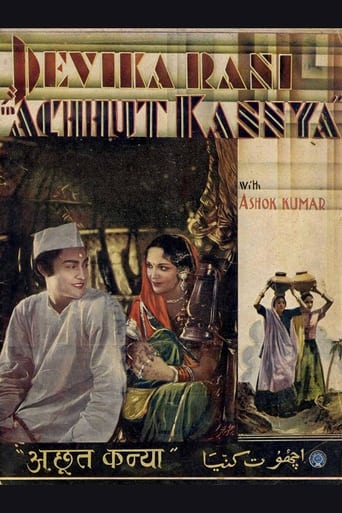
The 1936 film Untouchable Girl is the only title linked here for Kusum Kumari. Her most notable work was in the 1936 social drama 'Untouchable Girl,' which addressed sensitive caste issues prevalent in Indian society during that era. As an actress in the early days of Indian cinema, she was part of a generation of performers who helped establish the foundations of the Indian film industry. Her career appears to have been brief, with documented activity primarily concentrated in the year 1936, which was not uncommon for many actresses of that period due to various social and professional constraints. Like many early Indian film actresses, she likely came from a theatrical background or was discovered during the rapid expansion of regional cinema in the 1930s. Her work in socially relevant cinema during this formative period of Indian filmmaking represents the kind of meaningful content that early directors were beginning to explore as cinema evolved from mere entertainment to a medium for social commentary.
The Craft
Milestones
- Starred in the socially significant film 'Untouchable Girl' (1936)
- Part of early Indian cinema's transition to talkies
- Contributed to early social commentary films in Indian cinema
Best Known For
Iconic Roles
Must-See Films
Why They Matter
Impact on Culture
Kusum Kumari's contribution to Indian cinema, though brief, represents an important period when films began addressing social issues like caste discrimination. Her appearance in 'Untouchable Girl' (1936) places her among the early performers who participated in cinema's role as a medium for social reform and awareness in pre-independence India. This was a time when filmmakers were beginning to realize the power of cinema to influence public opinion and bring attention to social injustices.
Lasting Legacy
While detailed records of Kusum Kumari's career are scarce, her work in early Indian cinema represents the contributions of countless actors who helped establish the foundation of one of the world's largest film industries. Her participation in socially relevant filmmaking during the 1930s reflects the early evolution of Indian cinema from pure entertainment to a medium with social consciousness and cultural significance.
Who They Inspired
Due to limited documentation of her career and the brief nature of her documented filmography, specific information about her influence on other actors or filmmakers is not available. However, early actors like her paved the way for future generations of Indian cinema performers.
Off Screen
Very limited information is available about Kusum Kumari's personal life, which is typical for many early Indian cinema actors whose records were not systematically preserved. Like many actresses of the 1930s in India, she may have faced societal challenges that limited the documentation of her personal history.
Did You Know?
- Appeared during the early talkie period of Indian cinema (1930s)
- Her only documented film 'Untouchable Girl' dealt with sensitive caste issues
- The 1930s was a crucial decade for Indian cinema's transition to sound
- Many early Indian cinema records were lost or poorly preserved
- Social themes in films were relatively new and bold during this period
- Early Indian actresses often came from traditional performing arts backgrounds
Frequently Asked Questions
Who was Kusum Kumari?
Early Indian cinema actress active in 1936, best known for her role in the social drama 'Untouchable Girl.' She was part of the generation of actors during the transition from silent films to talkies in Indian cinema.
What films is Kusum Kumari best known for?
Titles linked here include Untouchable Girl (1936).
When was Kusum Kumari born and when did she die?
Unfortunately, specific birth and death dates for Kusum Kumari are not available in documented records, which is common for many early Indian cinema actors whose biographical information was not systematically preserved.
What awards did Kusum Kumari win?
There are no documented awards or nominations for Kusum Kumari, which was typical for many actors in early Indian cinema as formal award systems had not yet been established during her active period.
What was Kusum Kumari's acting style?
Specific details about Kusum Kumari's acting style are not documented in available records, though as an actress in 1930s Indian cinema, she likely worked within the theatrical traditions that influenced early film performances during the transition from silent films to talkies.