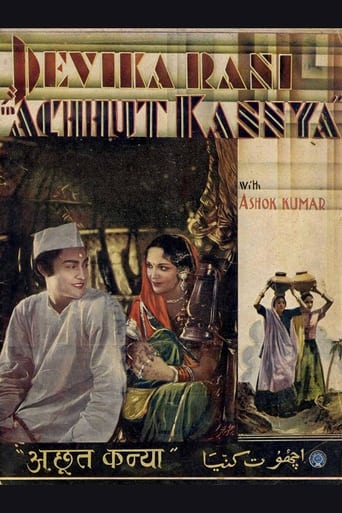
Films
1 film
About Anwari Begum
Anwari Begum worked on early Bollywood cinema during the transitional period from silent films to talkies. Her career was notably brief, spanning only the year 1936, during which she appeared in the social drama 'Untouchable Girl' (1936). This film was part of a new wave of Indian cinema that began addressing social issues, particularly the caste system that plagued Indian society. Anwari Begum represented the emerging generation of Muslim actresses who were gaining prominence in Indian cinema during the 1930s. Her work came during a pivotal time when the Indian film industry was establishing itself as a powerful medium for social commentary and cultural expression. Unfortunately, like many actors from this early period of Indian cinema, detailed records of her life and career are scarce, reflecting the limited documentation practices of early Bollywood.
The Craft
Milestones
- Appeared in 'Untouchable Girl' (1936), an early social drama addressing caste issues in Indian society
Best Known For
Iconic Roles
Must-See Films
Why They Matter
Impact on Culture
Anwari Begum's contribution to Indian cinema, though brief, came during a crucial period when the film industry was beginning to tackle social issues. Her appearance in 'Untouchable Girl' (1936) placed her among the early actors who participated in cinema's role as a vehicle for social reform in India. During the 1930s, Indian films began moving away from purely mythological and historical subjects to address contemporary social problems, and actors like Anwari Begum were part of this transformative movement. Her presence in early Bollywood also reflects the significant role Muslim women played in the nascent Indian film industry, particularly during its formative years.
Lasting Legacy
Anwari Begum represents the many actors from early Indian cinema whose contributions have been largely lost to history due to inadequate documentation and preservation of film industry records from the 1930s. Her work in 'Untouchable Girl' places her within the important context of early social cinema in India, when filmmakers began using the medium to address pressing societal issues like caste discrimination. While her career was extremely brief, she is part of the foundation upon which the Indian film industry built its legacy of socially conscious filmmaking. Her story highlights the need for better preservation of early cinema history and the recognition of actors who, despite their brief careers, contributed to important artistic movements.
Who They Inspired
Due to the brevity of her career and limited documentation, specific influences of Anwari Begum on subsequent generations of actors cannot be definitively traced. However, as part of the early wave of actors in social dramas, she contributed to establishing the precedent for actresses taking on roles that addressed serious social issues in Indian cinema.
Off Screen
Very little is documented about Anwari Begum's personal life, which was common for many actors from early Indian cinema whose records were not systematically preserved.
Did You Know?
- Anwari Begum's entire known film career consists of a single year - 1936
- She appeared in 'Untouchable Girl' during the early period of Indian talkies
- The film she appeared in dealt with the sensitive topic of untouchability, making it part of early social cinema in India
- Her career coincided with a significant period when Indian cinema began addressing contemporary social issues
- Like many early Indian film actors, detailed biographical information about her has been lost to time
Frequently Asked Questions
Who was Anwari Begum?
Indian actress from early Bollywood cinema who was active only in 1936. She is known for appearing in the social drama 'Untouchable Girl' (1936), which addressed caste issues in Indian society during the early talkies period.
What films is Anwari Begum best known for?
Titles linked here include Untouchable Girl (1936).
When was Anwari Begum active in cinema?
Anwari Begum had a very brief career, active only during the year 1936. Her entire known filmography consists of work from this single year during the early talkies period in Indian cinema.
What was significant about 'Untouchable Girl' (1936)?
'Untouchable Girl' was significant as an early social drama in Indian cinema that addressed the sensitive issue of caste discrimination. It represented the film industry's growing role in social commentary during the 1930s.
Why is so little known about Anwari Begum?
Limited documentation and preservation practices in early Indian cinema mean that many actors from the 1930s, like Anwari Begum, have incomplete historical records. This was common for actors with brief careers during this formative period of Bollywood.