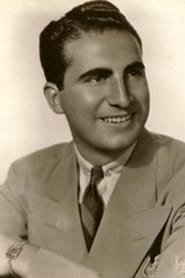
Dick Stabile
Actor
Born: May 29, 1909 in New York City, New York, USA Died: September 18, 1980 Active: 1930s-1960s (musical career), 1950 (acting) Birth Name: Richard Dominic Stabile
Films
1 film
About Dick Stabile
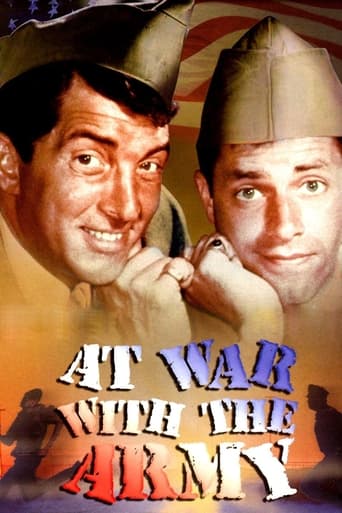
Renowned American saxophonist and bandleader who rose to prominence during the big band era of the 1930s and 1940s. Born in New York City in 1909, Stabile discovered his passion for music at an early age and became respected saxophone players of his generation. He formed his own orchestra in the late 1930s and quickly gained popularity with his smooth, melodic style that appealed to both jazz enthusiasts and mainstream audiences. Throughout his career, Stabile's orchestra performed at prestigious venues across the United States and recorded numerous successful albums for major labels. His musical talents also led to occasional appearances in films, where he typically played himself or musical characters, most notably in the 1950 comedy 'At War with the Army' starring Dean Martin and Jerry Lewis. Despite his brief foray into acting, Stabile remained primarily focused on his music career, continuing to perform and record well into the 1960s. He passed away in 1980, leaving behind a legacy as one of the era's most accomplished saxophonists and bandleaders.
The Craft
On Screen
Natural and authentic, typically playing himself or musicians in his limited film appearances
Milestones
- Formed his own orchestra in the late 1930s
- Became one of the era's premier saxophone players
- Appeared in 'At War with the Army' (1950)
- Recorded extensively for major record labels
- Performed at prestigious venues nationwide
- Led successful big band during swing era
Best Known For
Iconic Roles
Must-See Films
Accolades
Special Recognition
- Recognized as one of the leading saxophonists of the big band era
Working Relationships
Worked Often With
Studios
Why They Matter
Impact on Culture
Dick Stabile made significant contributions to American popular music during the golden age of big bands. His smooth saxophone style helped define the sound of the era, and his orchestra provided entertainment to millions of Americans during a transformative period in the country's cultural history. His work helped bridge the gap between jazz and popular music, making sophisticated musical arrangements accessible to mainstream audiences.
Lasting Legacy
Dick Stabile's legacy endures through his recordings and the influence he had on subsequent generations of saxophone players. While he may not be as widely remembered today as some of his contemporaries, his contributions to the big band era were significant. His brief appearance in 'At War with the Army' provides a visual record of his musical talent for posterity, complementing his extensive audio recordings that continue to be appreciated by swing music enthusiasts.
Who They Inspired
Stabile influenced many saxophone players with his smooth, melodic approach to the instrument. His ability to blend technical proficiency with emotional expression set a standard for popular saxophone performance. While primarily known as a performer rather than a composer, his interpretations of popular songs helped shape how saxophone was used in popular music arrangements.
Off Screen
Dick Stabile was married and maintained a relatively private personal life outside of his musical career. He was known for his dedication to his craft and spent much of his life touring and performing with his orchestra. In his later years, he settled in Los Angeles where he continued to be involved in the music scene until his death.
Education
Information about formal education not publicly available, but he was largely self-taught as a musician
Family
- Information not publicly available
Did You Know?
- Primarily known as a saxophonist and bandleader, not an actor
- His appearance in 'At War with the Army' was one of his few film roles
- Was considered one of the premier saxophone players of the big band era
- His orchestra was popular during the height of the swing era
- Often performed at prestigious hotels and venues across America
- His musical style was more melodic and less improvisational than some jazz contemporaries
- Appeared in films primarily to showcase his musical talents
- His active years covered the entire golden age of big band music
- Continued performing well into the rock and roll era
- Was part of the transition from swing to more modern popular music styles
In Their Own Words
Information about specific quotes not documented in available sources
Frequently Asked Questions
Who was Dick Stabile?
American saxophonist and bandleader who rose to fame during the big band era of the 1930s and 1940s. While primarily known for his musical talents, he also had a brief acting career, most notably appearing in the 1950 comedy 'At War with the Army' starring Dean Martin and Jerry Lewis.
What films is Dick Stabile best known for?
Titles linked here include At War with the Army (1950).
When was Dick Stabile born and when did he die?
Born May 29, 1909; died September 18, 1980.
What awards did Dick Stabile win?
While Dick Stabile didn't receive major acting awards, he was widely recognized as one of the premier saxophone players and bandleaders of the big band era. His accolades were primarily in the musical realm, where he was respected for his technical skill and musical interpretations.
What was Dick Stabile's musical style?
Dick Stabile was known for his smooth, melodic saxophone style that was more accessible to mainstream audiences than some of his more improvisational jazz contemporaries. His approach emphasized clear, expressive melodies that appealed to both jazz enthusiasts and general popular music audiences.