
Dewey Robinson
Actor
Born: June 17, 1894 in New York City, New York, USA Died: December 11, 1958 Active: 1931-1958
Films
1 film
About Dewey Robinson
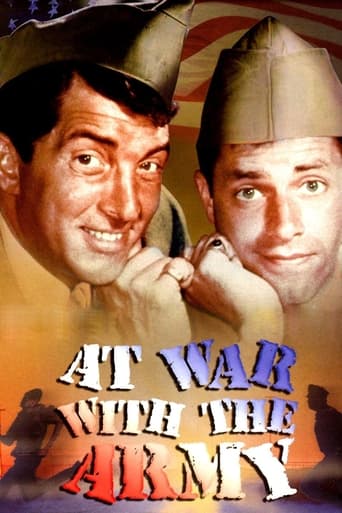
Prolific American character actor: over three decades in Hollywood's Golden Age. Born in New York City in 1894, Robinson began his film career in the early 1930s and quickly established himself as a reliable supporting player specializing in tough-guy roles. With his imposing physique, distinctive deep voice, and commanding screen presence, he became recognizable faces in American cinema, appearing in more than 200 films. Robinson excelled at portraying gangsters, police officers, military sergeants, bartenders, and various authority figures, bringing authenticity and gravitas to even the smallest roles. He worked with virtually every major studio and collaborated with directors including Frank Capra, John Huston, and Howard Hawks. Despite never achieving star status, Robinson's consistent performances and professionalism made him an invaluable asset to the studio system. His career continued through the 1940s and into the 1950s, with 'At War with the Army' (1950) marking one of his final film appearances before his death in 1958.
The Craft
On Screen
Robinson specialized in portraying tough, no-nonsense characters with a commanding presence. His distinctive deep voice and imposing physique made him ideal for roles as gangsters, police officers, military sergeants, and bartenders. He brought authenticity and gravitas to his supporting roles, often delivering memorable performances despite limited screen time. Robinson's acting was characterized by its directness and realism, avoiding theatrical flourishes in favor of grounded, believable characterizations.
Milestones
- Appeared in over 200 films during his career
- Frequent collaborator with director Frank Capra
- Regular supporting player at major Hollywood studios
- Recognizable face in countless film noir and classic films
- Known for playing tough guys and authority figures
Best Known For
Iconic Roles
Must-See Films
Working Relationships
Worked Often With
Studios
Why They Matter
Impact on Culture
Dewey Robinson contributed significantly to the richness of Hollywood's Golden Age by providing memorable supporting performances that enhanced hundreds of classic films. As. His consistent presence across genres—from film noir to comedy to drama—made him part of the fabric of classic Hollywood, contributing to the immersive quality that made studio-era films so compelling.
Lasting Legacy
Robinson's legacy lies in his extensive body of work that exemplifies the crucial role of character actors in creating believable and immersive film worlds. His career demonstrates how supporting players, while never achieving star status, were essential to the success of Hollywood's studio system. Today, film historians and classic cinema enthusiasts recognize Robinson as a representative of the talented ensemble of character actors who formed the backbone of Golden Age Hollywood.
Who They Inspired
While Robinson did not directly influence acting techniques or mentor future stars in a documented way, his professionalism and reliability set a standard for supporting actors in studio-era Hollywood. His ability to consistently deliver authentic performances across hundreds of films exemplified the craft of character acting that would influence subsequent generations of supporting players in film and television.
Off Screen
Limited public information is available about Robinson's personal life, as was common for supporting character actors of his era. He maintained a private life away from the Hollywood spotlight, focusing on his craft rather than celebrity. Before entering films, Robinson served in World War I and reportedly worked as a professional boxer, experiences that likely contributed to his authentic portrayal of tough characters.
Did You Know?
- Appeared in over 200 films during his 27-year career
- Often played bartenders, appearing behind the bar in numerous films
- Frequently typecast as gangsters and tough guys due to his imposing presence
- Worked with virtually every major star of the 1930s and 1940s
- Many of his appearances were uncredited, especially in smaller roles
- Was a favorite of director Frank Capra, appearing in multiple films
- Served in World War I before pursuing his acting career
- Reportedly worked as a professional boxer before entering films
- His distinctive deep voice made him recognizable even in brief appearances
- His final film appearance was in 'At War with the Army' (1950)
- Often appeared alongside Humphrey Bogart in Warner Bros. Films
- Was part of the unofficial 'stock company' of character actors at major studios
Frequently Asked Questions
Who was Dewey Robinson?
Screen credits include over 200 films during Hollywood's Golden Age. He specialized in playing tough guys, gangsters, police officers, and authority figures, becoming.
What films is Dewey Robinson best known for?
Titles linked here include It's a Wonderful Life (1946), The Maltese Falcon (1941).
When was Dewey Robinson born and when did he die?
Born June 17, 1894; died December 11, 1958.
What awards did Dewey Robinson win?
Despite his extensive film career, Dewey Robinson did not receive major awards or nominations, which was common for character actors of his era who often went unrecognized by major award ceremonies despite their significant contributions to cinema.
What was Dewey Robinson's acting style?
Robinson was known for his direct, realistic acting style characterized by his commanding presence and distinctive deep voice. He brought authenticity to tough-guy roles, avoiding theatrical flourishes in favor of grounded, believable characterizations that made him a reliable supporting player across genres.
How many films did Dewey Robinson appear in?
Dewey Robinson appeared in more than 200 films during his career spanning from 1931 to 1958, making him.
What types of characters did Dewey Robinson typically play?
Robinson was typically typecast as tough characters including gangsters, police officers, military sergeants, bartenders, and various authority figures. His imposing physique and deep voice made him particularly effective in these roles.
Did Dewey Robinson appear in 'At War with the Army'?
Yes, 'At War with the Army' (1950) was one of Dewey Robinson's final film appearances, marking the end of his nearly three-decade career in Hollywood.