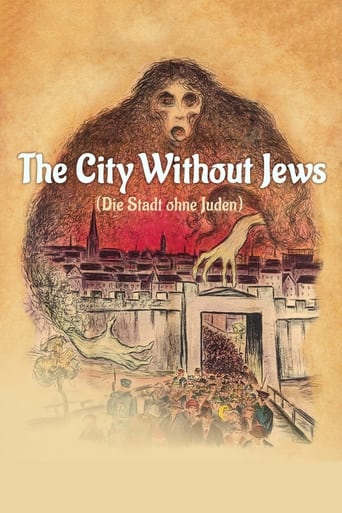
Films
1 film
About Gisela Werbisek
Gisela Werbisek appears once in this catalog: The City without Jews (1924). Her most notable and possibly only credited film role was in the 1924 Austrian silent film 'Die Stadt ohne Juden' (The City without Jews), directed by H.K. Breslauer. This film was remarkably prescient in its depiction of antisemitism and was based on Hugo Bettauer's controversial novel. Werbisek's participation in this historically significant film places her within the important context of early Austrian cinema that addressed social and political issues. Like many actors from this period, particularly those who may have had brief careers or were primarily stage actors, detailed biographical information about her life and career remains scarce. The film itself was considered lost for decades before a complete copy was discovered, which may explain why information about its cast members is limited.
The Craft
Milestones
- Appeared in the historically significant silent film 'The City without Jews' (1924)
Best Known For
Iconic Roles
Must-See Films
Why They Matter
Impact on Culture
Gisela Werbisek's cultural impact is primarily tied to her participation in 'The City without Jews,' a film that has gained significant historical importance as one of the earliest cinematic warnings against antisemitism. The film was remarkably prescient about the horrors that would later unfold in Europe, and its rediscovery has made it a crucial document of both cinema history and European social history. While her individual contribution may have been small, being part of such a historically significant work connects her legacy to this important cultural artifact that continues to be studied and discussed today.
Lasting Legacy
Gisela Werbisek's legacy is preserved through her association with 'The City without Jews,' a film that has been recognized for its historical significance and artistic merit. The film's restoration and rediscovery in the 21st century has brought renewed attention to all involved in its production. While she may not have achieved lasting fame as an individual performer, her participation in this culturally important work ensures her place in film history, particularly in the context of Austrian cinema's early engagement with social and political themes.
Who They Inspired
Due to the limited information about Gisela Werbisek's career and the apparent brevity of her film work, there is no documented evidence of her direct influence on other actors or filmmakers. Her influence is indirect, through her contribution to a film that has influenced subsequent generations of filmmakers and scholars interested in cinema's role in addressing social issues and political warnings.
Off Screen
Very little is known about Gisela Werbisek's personal life, which is not uncommon for supporting actors from the silent era who had brief film careers. Like many actors of her time, she may have been primarily a stage actor who made occasional film appearances.
Did You Know?
- Appeared in 'The City without Jews,' which was remarkably prescient about the rise of antisemitism in Europe
- The film she appeared in was based on a novel by Hugo Bettauer, who was murdered by a Nazi party member shortly after the film's release
- The complete version of 'The City without Jews' was considered lost for decades before being discovered in a Dutch film archive in 2015
- The film was one of the first to explicitly address antisemitism in cinema
- Like many silent era actors, detailed biographical information about her life is scarce
- The film she appeared in was censored and altered for its original release in Vienna
- Her acting career appears to have been limited to 1924 based on available records
Frequently Asked Questions
Who was Gisela Werbisek?
Austrian actress from the silent film era, best known for her appearance in the 1924 film 'The City without Jews.' Her career appears to have been brief, with her only known film credit being this historically significant Austrian production that warned against antisemitism.
What films is Gisela Werbisek best known for?
Titles linked here include The City without Jews (1924).
When was Gisela Werbisek born and when did she die?
Unfortunately, specific birth and death dates for Gisela Werbisek are not available in historical records, which is not uncommon for supporting actors from the silent era who had brief film careers.
What was significant about 'The City without Jews'?
'The City without Jews' was remarkably prescient in depicting antisemitism years before the Holocaust. Based on Hugo Bettauer's novel, the film was a warning about the dangers of ethnic hatred and has gained renewed historical importance since its rediscovery.
Why is there so little information about Gisela Werbisek?
The scarcity of information about Gisela Werbisek is typical for many supporting actors from the silent era, particularly those who had brief film careers or were primarily stage actors. The loss of many records from this period and the obscurity of some performers contributes to this lack of documentation.