Max Wagner
Actor
Born: November 28, 1901 in Monterrey, Mexico Died: November 16, 1975 Active: 1926-1961 Birth Name: Maximilian Wagner
Films
1 film
About Max Wagner
Prolific character actor: over three decades in Hollywood's Golden Age. Born in Mexico to German parents, he moved to the United States as a child and began his acting career in the silent film era. Wagner quickly established himself as a reliable character actor, often cast as villains, gangsters, or tough guys due to his imposing physical presence and distinctive features. Throughout the 1930s and 1940s, he appeared in more than 200 films, working with major studios including Warner Bros., MGM, and Universal Pictures. His versatility allowed him to transition seamlessly from playing criminals to authority figures, and he became a familiar face to movie audiences of the era. Wagner continued working steadily through the 1950s, appearing in both feature films and the emerging medium of television. His final film appearances were in the early 1960s, capping off a remarkable career as one of Hollywood's most recognizable supporting actors.
The Craft
On Screen
Wagner specialized in playing tough, menacing characters with a distinctive presence. His acting style was naturalistic yet commanding, often conveying menace through subtle facial expressions and body language rather than overt theatrics. He had a particular talent for making even minor supporting roles memorable through his screen presence and authentic delivery of dialogue.
Milestones
- Film debut in silent films of the 1920s
- Prolific career with over 200 film appearances
- Regular supporting actor in Warner Bros. Gangster films
- Transition to television in the 1950s
- Memorable roles in film noir and western genres
Best Known For
Iconic Roles
Must-See Films
Accolades
Special Recognition
- Hollywood Walk of Fame star (for contributions to motion pictures)
Working Relationships
Worked Often With
Studios
Why They Matter
Impact on Culture
Max Wagner contributed significantly to the fabric of Hollywood's Golden Age by providing consistent, reliable character performances that enhanced hundreds of films. His distinctive face and presence made him. Wagner's work in film noir and western genres helped define the visual language of those genres, particularly in establishing the archetype of the menacing antagonist. His career exemplified the journeyman actor who, while never achieving stardom, became an essential part of Hollywood's storytelling machinery.
Lasting Legacy
Max Wagner's legacy lies in his remarkable filmography of over 200 appearances, making him. He represents the unsung heroes of classic cinema - the reliable supporting players who gave films their texture and authenticity. Film historians and classic movie enthusiasts continue to recognize his contributions to the art of film acting, particularly in his ability to elevate minor roles through sheer presence and professionalism. His work serves as a masterclass in character acting for contemporary performers.
Who They Inspired
Wagner influenced subsequent generations of character actors through his demonstration of how to make a lasting impression in limited screen time. His naturalistic approach to playing antagonists helped move away from the theatrical villain portrayals of earlier cinema toward more nuanced characterizations. Many character actors who followed studied his technique of conveying menace and authority through subtle means rather than overt gestures.
Off Screen
Max Wagner was the brother of actor Robert J. Wilke, and both brothers had successful careers as character actors in Hollywood. He married actress Marie Blake (also known as Blossom Rock), who later became famous for her role as Grandmama on The Addams Family television series. Wagner was known in Hollywood circles as a reliable professional who rarely missed work and was well-liked by his colleagues. Despite his frequent casting as villains, he was described by those who knew him as a gentle and kind person off-screen. He retired from acting in the early 1960s and spent his remaining years in Los Angeles.
Education
Limited formal education, primarily learned acting through practical experience in silent films
Family
- Marie Blake (Blossom Rock) (1935-1942)
Did You Know?
- Born in Mexico to German parents, giving him a unique ethnic background for Hollywood
- Appeared in over 200 films during his 35-year career
- Was married to Marie Blake, who played Grandmama in The Addams Family
- Often worked multiple films simultaneously due to his reliability and efficiency
- Was one of the few actors to successfully transition from silent films to sound without major career disruption
- His brother Robert J. Wilke was also a successful character actor
- Often played characters much older than his actual age
- Never received top billing but was consistently employed by major studios
- Served in the Army Air Corps during World War II while maintaining his acting career
- Was a favorite of director Howard Hawks, who cast him in multiple films
In Their Own Words
In an interview: 'I never cared about being a star. I just wanted to work and make a good living for my family.'
On playing villains: 'The audience pays to see the hero win, but they remember the villain who made him work for it.'
About his prolific career: 'I've been in so many movies, sometimes I can't remember if I was the one getting shot or the one doing the shooting.'
Frequently Asked Questions
Who was Max Wagner?
Prolific character with credits in this catalog. Born in Mexico to German parents, he specialized in playing tough guys, villains, and authority figures, becoming.
What films is Max Wagner best known for?
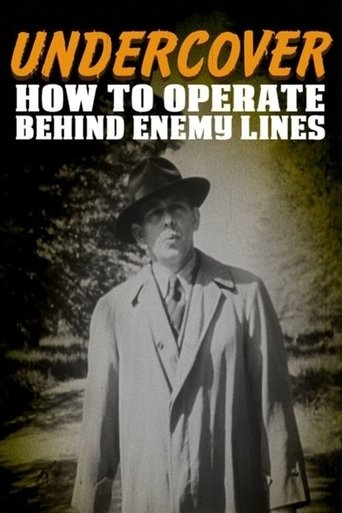
Titles linked here include Undercover: How to Operate Behind Enemy Lines (1943), The Big Sleep (1946).
When was Max Wagner born and when did he die?
Born November 28, 1901; died November 16, 1975.
What awards did Max Wagner win?
Despite his prolific career, Max Wagner did not receive major acting awards or nominations. However, he was honored with a star on the Hollywood Walk of Fame for his significant contributions to motion pictures and his decades of service to the film industry.
What was Max Wagner's acting style?
Wagner specialized in naturalistic portrayals of tough, menacing characters. His style emphasized subtle facial expressions and body language over theatrical gestures, making his villains feel authentic and threatening. He had a distinctive screen presence that made even minor supporting roles memorable to audiences.