J.B.L. Noel
Director
Born: February 26, 1890 in London, England Died: March 12, 1989 Active: 1919-1930 Birth Name: John Baptist Lucius Noel
Films
1 film
About J.B.L. Noel
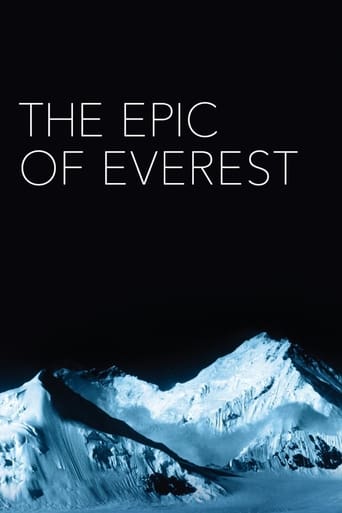
John Baptist Lucius Noel — British explorer, mountaineer, and documentary filmmaker who revolutionized the art of capturing extreme environments on film. Born into a family with military connections, he developed an early passion for both adventure and photography, which would define his unique career path. After serving in the British Army during World War I, where he honed his skills in challenging conditions, Noel turned his attention to mountaineering expeditions, recognizing the potential to document these perilous journeys for posterity. His most significant achievement came with the 1924 British Mount Everest expedition, where he served as both official photographer and filmmaker, creating the documentary 'The Epic of Everest.' This film captured not only the technical aspects of high-altitude climbing but also the spiritual and cultural dimensions of the Himalayan region, including rare footage of Tibetan Buddhist ceremonies. Following the tragic disappearance of George Mallory and Andrew Irvine during the expedition, Noel's film took on added historical significance as the last visual record of the climbers. He later founded the Mountain Film Society to promote adventure filmmaking and continued to advocate for the preservation of mountain environments until his death at age 99.
The Craft
Behind the Camera
Noel's directing style was characterized by a blend of documentary realism and poetic vision, often capturing both the technical challenges of mountaineering and the spiritual essence of the Himalayan landscape. He employed innovative techniques for filming at extreme altitudes, including using oxygen for his camera equipment and developing special protective casings. His approach emphasized the human drama of exploration while maintaining respect for the local cultures and environments he documented.
Milestones
- Filmed the 1922 British Mount Everest expedition
- Directed 'The Epic of Everest' (1924)
- Founded the Mountain Film Society
- Pioneered high-altitude cinematography techniques
- Served as official photographer for multiple Himalayan expeditions
- Developed specialized equipment for extreme weather filming
Best Known For
Must-See Films
Accolades
Won
- Royal Geographical Society's Founder's Medal
Special Recognition
- Fellow of the Royal Geographical Society
- Member of the Alpine Club
- Honorary member of the Mountain Film Society
Working Relationships
Worked Often With
Studios
Why They Matter
Impact on Culture
Noel's work fundamentally changed how the world viewed mountaineering, transforming it from a purely sporting endeavor into a subject of artistic and cultural significance. His film 'The Epic of Everest' was among the first to bring the majesty and danger of high-altitude climbing to mainstream audiences, inspiring generations of adventurers and filmmakers. The documentary also served as an important cultural bridge, presenting Tibetan Buddhist ceremonies and Himalayan life to Western audiences with unprecedented respect and authenticity.
Lasting Legacy
Noel's legacy endures through his groundbreaking techniques in extreme environment cinematography and his role in preserving the memory of early Everest expeditions. His film remains a crucial historical document of the 1924 expedition and the last known images of Mallory and Irvine. The Mountain Film Society he founded continues to promote adventure filmmaking, and his innovations in camera equipment and filming techniques influenced subsequent generations of documentary filmmakers working in challenging conditions.
Who They Inspired
Noel's work influenced countless documentary filmmakers, particularly those working in extreme environments. His approach to combining adventure documentation with cultural respect set a standard for ethnographic filmmaking. Later mountaineering films, including those of the 1953 successful Everest expedition, built upon his technical innovations and his vision of capturing both the physical and spiritual dimensions of mountain exploration.
Off Screen
Noel married Beatrice Sutherland in 1917, and their marriage lasted until her death in 1976. He was known for his deep spiritual beliefs, which influenced his approach to filmmaking and his respect for Tibetan Buddhist culture. Despite the dangers of his profession, he lived to the remarkable age of 99, maintaining his interest in mountaineering and conservation throughout his long life. He spent his later years in London, where he continued to write about his experiences and advocate for the preservation of mountain environments.
Education
Educated at Stonyhurst College and later attended the Royal Military College, Sandhurst
Family
- Beatrice Sutherland (1917-1976)
Did You Know?
- He was one of the first filmmakers to shoot at altitudes above 23,000 feet
- His camera equipment weighed over 40 pounds and had to be carried by porters
- He developed special oxygen systems for both himself and his camera
- The original negative of 'The Epic of Everest' was lost for decades before being rediscovered
- He was the first Western filmmaker to capture Tibetan Buddhist prayer ceremonies on film
- His film caused controversy when the Dalai Lama objected to the sacred ceremonies being shown commercially
- He served with distinction in World War I, earning the Military Cross
- Noel's footage of the 1924 expedition provided crucial clues for later attempts to solve the Mallory-Irvine mystery
- He was instrumental in establishing early film preservation efforts for expedition footage
- His innovations in cold-weather photography were later adopted by polar explorers
In Their Own Words
The mountains do not care for our ambitions, they simply exist in their eternal majesty
To film at such heights is to capture not just images, but the very breath of the earth
Every frame shot on Everest is a victory against nature itself
The camera must be as tough as the climber, and as patient as the mountain
Frequently Asked Questions
Who was J.B.L. Noel?
John Baptist Lucius Noel — British explorer, mountaineer, and documentary filmmaker best known for filming early Everest expeditions in the 1920s. His most famous work, 'The Epic of Everest' (1924), documented the tragic expedition during which George Mallory and Andrew Irvine disappeared near the summit.
What films is J.B.L. Noel best known for?
Titles linked here include The Epic of Everest (1924), Everest (1922 expedition footage).
When was J.B.L. Noel born and when did he die?
Born February 26, 1890; died March 12, 1989.
What awards did J.B.L. Noel win?
Noel received the Royal Geographical Society's Founder's Medal for his contributions to exploration and documentation. He was also made a Fellow of the Royal Geographical Society and an honorary member of the Alpine Club for his mountaineering achievements.
What was J.B.L. Noel's directing style?
Noel's directing style combined documentary realism with poetic vision, emphasizing both the technical challenges of mountaineering and the spiritual essence of the Himalayan landscape. He pioneered filming techniques for extreme altitudes and showed respect for local cultures while capturing the human drama of exploration.
How did J.B.L. Noel influence later filmmakers?
Noel's innovations in extreme environment cinematography and his respectful approach to cultural documentation influenced generations of documentary filmmakers. His techniques for cold-weather photography and high-altitude filming were adopted by subsequent expedition filmmakers and even polar explorers.
What made 'The Epic of Everest' historically significant?
The film is historically significant as it contains the last known footage of George Mallory and Andrew Irvine before their disappearance on Everest. It also represents a technical achievement in high-altitude filmmaking and serves as an important cultural document of Tibetan Buddhist ceremonies from the 1920s.