The Epic of Everest
"The Epic of Everest (1924)"
Keys: Space play/pause · ←/→ 10s · F fullscreen · M mute · </> speed
About this film
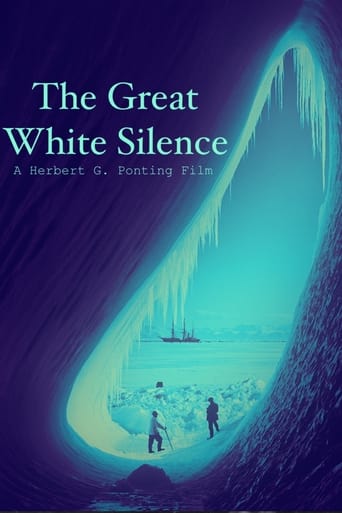
The official record of Mallory and Irvine's 1924 expedition. When George Mallory and Sandy Irvine attempted to reach the summit of Everest in 1924 they came closer than any previous attempt. Inspired by the work of Herbert Ponting (The Great White Silence) Captain Noel filmed in the harshest of conditions, with specially adapted equipment, to capture the drama of the fateful expedition.
Cast & crew
More films like this
More Documentary films
View all →
More about this film
About the production
Release dateDecember 1924 (UK premiere)
Box officeUnknown - primarily screened as educational and expedition presentations rather than commercial theatrical releases
ProductionRoyal Geographical Society, Alpine Club
Filmed inMount Everest, Tibet, Rongbuk Monastery, Base Camp at 16,500 feet, Various high-altitude camps on Everest
Filming was conducted under extreme conditions with temperatures dropping to -20°F. Noel used a specially adapted Newman Sinclair camera with modified lubricants to prevent freezing. The camera was wrapped in special thermal blankets and operated through glove compartments. Film had to be hand-cranked at high altitudes where oxygen was scarce, making the physical act of filming extraordinarily difficult. Noel established a darkroom at base camp using ice blocks for cooling chemicals. The expedition carried over 2,000 pounds of photographic equipment and supplies.
Themes
Human endurance against natureThe mystery of explorationColonial encounter with indigenous culturesThe cost of ambitionThe sublime power of nature
Themes & topics
mount everestexpeditionmountaineeringdisappearancedocumentary1920sexplorationtragedyhimilayaaltitude sicknessoxygen equipmentbase campsherpa guidestibetan buddhism
Historical background
Made in 1924, The Epic of Everest reflects production norms of late silent cinema and the transition toward sound—shorter runtimes, regional audiences, and limited preservation infrastructure.
Why this film matters
Historians reference The Epic of Everest (1924) when discussing 1924 film.
Making of
The making of The Epic of Everest was as challenging as the climb itself. Captain Noel, a military photographer, had to convince the Royal Geographical Society and Alpine Club to fund the cinematography portion of the expedition. He spent months modifying his equipment, developing special lubricants that wouldn't freeze and creating a lightweight portable darkroom. At base camp, Noel established a processing facility using ice blocks to maintain proper temperatures for developing film. He would climb to various vantage points, sometimes spending days in freezing conditions waiting for the right light. The physical toll was enormous - Noel lost 30 pounds during the expedition and suffered from frostbite and altitude sickness. The film was edited after returning to England, with Noel working closely with the expedition's scientific team to ensure accuracy in the narration and presentation of the climb's progression.
What critics said
Retrospective notes on The Epic of Everest emphasize its value as a transitional sound-era artifact rather than blockbuster reception.
Did you know?
- J.B.L. Noel had to invent special equipment for filming at high altitudes, including a modified camera that could operate in extreme cold and low oxygen conditions
- The film contains the last known moving images of George Mallory and Andrew Irvine before their disappearance
- Noel filmed from a vantage point at 22,000 feet, making it one of the highest-altitude film shoots of its time
- The original camera negatives were lost for decades and only rediscovered in the 1990s
- The film was used as evidence in the 1933 British Mount Everest expedition planning
- Noel had to eat his camera's leather carrying case when supplies ran low at high altitude
- The documentary includes footage of Tibetan monks at Rongbuk Monastery, some of the earliest filmed images of Tibetan Buddhist culture
- The expedition used 16 Sherpas and 150 porters to carry equipment to base camp
- Mallory's body was not found until 1999, 75 years after the expedition, but Irvine's body has never been located
- The film was originally accompanied by live musical performances during its theatrical presentations
Awards & recognition
- Royal Geographical Society's Special Award for Cinematography (1925)
- Alpine Club Gold Medal for Contribution to Mountaineering Documentation (1925)
Visual style
Noel's cinematography was revolutionary for its time, employing techniques that would become standard in expedition filming. He used wide shots to establish the overwhelming scale of Everest, contrasting them with intimate close-ups of the climbers showing their physical and emotional states. The film features some of the earliest examples of time-lapse photography of cloud formations over mountains. Noel mastered the difficult art of exposing film properly in extreme high-altitude light conditions, where the intense UV radiation could easily overexpose shots. The camera work becomes increasingly handheld and frantic as the expedition progresses, mirroring the growing tension and physical exhaustion of the climbers. The final sequences, showing the search for Mallory and Irvine, use long, lingering shots of empty snow fields that create a profound sense of loss and mystery.
Innovations
The Epic of Everest achieved numerous technical firsts in documentary filmmaking. Noel developed the first high-altitude camera housing system that could withstand temperatures below -20°F without the lubricants freezing. He created a lightweight portable darkroom system using ice blocks for cooling, allowing film processing at 16,500 feet. The expedition used early telephoto lenses to capture distant climbers on the mountain face, some of the first such applications in documentary work. Noel pioneered techniques for filming in extreme low-light conditions at dawn and dusk, crucial for capturing the mountain in its most dramatic light. The film also features early examples of aerial photography using cameras mounted on reconnaissance balloons. The preservation of the film stock through extreme temperature variations was itself a major technical achievement, with Noel developing special storage containers that maintained consistent humidity and temperature.
Music
The original film was silent, as was standard for 1924, but was accompanied by live musical performances during theatrical presentations. Noel composed detailed musical cues suggesting specific pieces of classical music, including works by Wagner, Elgar, and Vaughan Williams, to accompany different scenes. For the 2013 restoration, composer Simon Fisher Turner created a new score that combines orchestral elements with electronic textures and field recordings from the Everest region. Turner's score incorporates ambient sounds recorded at high altitude, including wind, ice cracking, and the rhythmic breathing of climbers, creating an immersive audio experience that complements Noel's visual achievement. The restored version also includes a specially commissioned performance by the Tibetan Monks of Tashi Lhunpo Monastery, connecting the film back to the culture it documented.
Famous quotes
George Mallory's famous response when asked why he wanted to climb Everest: 'Because it's there.' (though this quote may be from an earlier 1923 interview)
Captain Noel's narration: 'We are but tiny ants crawling upon the shoulder of a giant.'
Expedition member's diary entry featured in film: 'The mountain does not care whether we live or die; it simply is.'
Tibetan proverb quoted in film: 'The mountains are not conquered, they are only visited.'
Memorable scenes
- The opening sequence showing the caravan of 150 porters winding through the Tibetan landscape with Everest looming in the distance
- The haunting footage of Rongbuk Monastery with monks performing rituals, some of the earliest film of Tibetan Buddhist ceremonies
- The final shots of Mallory and Irvine disappearing into the clouds near the summit, never to return
- The search sequence where expedition members scan the empty snow fields with binoculars, creating a powerful sense of absence and loss
- The time-lapse photography of clouds racing over Everest's peak, showing the mountain's ever-changing and dangerous nature
What audiences thought
Initial audiences were captivated by the film's exotic locations and dramatic content. The film was screened as part of lecture tours by expedition members, drawing large crowds across Britain and America. Audiences were particularly fascinated by the footage of Tibetan life and the sheer scale of the Himalayas. The mystery surrounding Mallory and Irvine's disappearance created intense public interest, making the film a commercial success despite its limited distribution. Modern audiences rediscovered the film through its 2013 restoration, with screenings at film festivals worldwide selling out. The film continues to attract viewers interested in mountaineering history, early cinema, and exploration narratives. Online platforms have made it accessible to new generations, with many viewers expressing astonishment at the quality of cinematography achieved nearly a century ago.
Film connections
Influenced by
- The Great White Silence (1924) by Herbert Ponting
- Nanook of the North (1922) by Robert Flaherty
- South (1919) by Frank Hurley
- Grass: A Nation's Battle for Life (1925) by Merian C. Cooper
This film influenced
- The Man Who Skied Down Everest (1975)
- Everest (1998 IMAX documentary)
- Touching the Void (2003)
- Everest (2015)
- The Summit (2012)
- Meru (2015)
Film restoration
The original camera negative was thought lost for decades but was rediscovered in the 1990s in the British Film Institute archives. The film underwent a major restoration in 2013 by the BFI National Archive, using digital technology to repair damage and enhance the surviving footage. The restoration combined elements from multiple sources including the original negative, a duplicate negative, and various release prints. The restored version premiered at the London Film Festival in 2013 and has since been preserved in the BFI's permanent collection. The film is now considered one of the best-preserved examples of 1920s documentary cinema.
Where to watch
- British Film Institute Player (streaming service)
- Criterion Channel (occasionally featured in documentary collections)
- Museum of Modern Art (MoMA) film collection screenings
- BFI Blu-ray/DVD release (2013 restored version)
- Various film festival retrospectives and special screenings
- Educational institutions through academic film archives