George Mallory
Actor
Born: June 18, 1886 in Mobberley, Cheshire, England Died: June 8, 1924 Active: 1924-1924 Birth Name: George Herbert Leigh Mallory
Films
1 film
About George Mallory
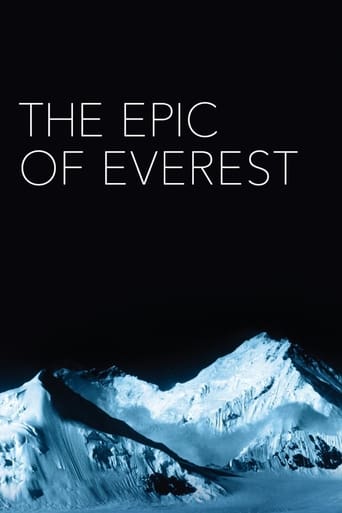
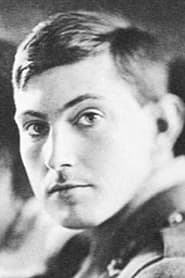
George Herbert Leigh Mallory — British mountaineer and educator who gained status through his attempts to conquer Mount Everest in the early 1920s. Born into a middle-class family, he excelled academically at Winchester College and Magdalene College, Cambridge, where he discovered his passion for mountaineering in the Alps. After serving in World War I, Mallory returned to climbing and was selected for the British Everest expeditions of 1921, 1922, and 1924. His participation in these expeditions was documented in the film 'The Epic of Everest' (1924), which captured the dramatic attempts to reach the world's highest peak. On June 8, 1924, during his final ascent, Mallory and climbing partner Andrew Irvine were spotted just 800 feet from the summit before disappearing into the clouds. His body was remarkably preserved and discovered by a search expedition in 1999, though the mystery of whether he reached the summit before his death remains one of mountaineering's greatest unsolved questions.
The Craft
Milestones
- Member of 1921 British Mount Everest reconnaissance expedition
- Participated in 1922 British Mount Everest expedition
- Key climber in 1924 British Mount Everest expedition
- Featured in documentary film 'The Epic of Everest' (1924)
- His body discovered on Everest in 1999, 75 years after his disappearance
Best Known For
Iconic Roles
Must-See Films
Accolades
Special Recognition
- Honored as one of Britain's greatest mountaineers
- Featured in Mountaineering Hall of Fame
- Subject of numerous books and documentaries
- Mount Mallory in California named in his honor
Working Relationships
Worked Often With
Why They Matter
Impact on Culture
George Mallory's legacy transcends mountaineering, becoming a symbol of human ambition and the spirit of exploration. His mysterious disappearance on Everest captured the public imagination and elevated him to legendary status in both British culture and international mountaineering circles. The 1924 documentary 'The Epic of Everest' brought the dramatic reality of high-altitude climbing to cinema audiences for the first time, influencing adventure filmmaking for decades. Mallory's story has been referenced in countless works of literature, film, and popular culture, embodying the romantic ideal of the gentleman explorer pursuing impossible dreams.
Lasting Legacy
Mallory's enduring legacy lies in the ongoing debate over whether he and Irvine reached the summit of Everest nearly 30 years before Hillary and Tenzing's successful 1953 ascent. His perfectly preserved body, discovered in 1999 with climbing rope injuries suggesting a fall, provided new clues but no definitive answer to mountaineering's greatest mystery. The discovery of his body and belongings, including goggles in his pocket suggesting descent in darkness, has fueled continuous speculation and research. Mallory's famous response to why climb Everest - 'Because it's there' - has become the most quoted phrase in mountaineering history, perfectly encapsulating the human drive to explore the unknown.
Who They Inspired
Mallory's approach to high-altitude climbing, emphasizing style and aesthetics, influenced generations of mountaineers who followed. His academic background and philosophical approach to climbing helped establish mountaineering as both a physical and intellectual pursuit. The documentation of his expeditions, particularly through early film and photography, set new standards for expedition recording and inspired future adventure filmmakers. His tragic yet romanticized disappearance helped create the modern mythology of the explorer-hero, influencing how society views risk-taking and exploration.
Off Screen
George Mallory was married to Ruth Turner, with whom he had three children: John, Beridge, and Clare. Despite his dangerous climbing pursuits, he maintained a career as a history teacher at Charterhouse School. His family life was deeply affected by his mountaineering ambitions, with his wife Ruth famously asking why he wanted to climb Everest, leading to his legendary response. Mallory balanced his academic career with his passion for climbing, becoming.
Education
Winchester College, Magdalene College Cambridge (graduated 1909)
Family
- Ruth Turner (1914-1924)
Did You Know?
- His body was discovered at 26,760 feet on Everest's north face by Conrad Anker in 1999
- He was an accomplished rock climber, new routes in the Alps and Wales
- Mallory — talented poet and writer, contributing to mountaineering literature
- His goggles were found in his pocket, suggesting he may have been descending at night
- He carried a photograph of his wife Ruth on his final climb, which was not found on his body
- Mallory — schoolteacher at Charterhouse before his final Everest expedition
- He served as a captain in the Royal Artillery during World War I
- The 1924 expedition was the first to use bottled oxygen on Everest
- His climbing partner Andrew Irvine's body has never been found
- Mallory's great-grandson has attempted to climb Everest in his honor
In Their Own Words
'Because it's there' - when asked why he wanted to climb Mount Everest
'Above all, I think it's the struggle that matters' - on the philosophy of climbing
'The price of life is death, but the price of love is grief' - personal correspondence
'We have conquered the highest mountain in the world' - from expedition letters before final ascent
Frequently Asked Questions
Who was George Mallory?
British mountaineer and teacher who gained fame for his attempts to climb Mount Everest in the 1920s. He participated in three British expeditions to Everest and disappeared during the 1924 attempt, becoming a legendary figure in mountaineering history.
What films is George Mallory best known for?
Titles linked here include The Epic of Everest (1924).
When was George Mallory born and when did he die?
Born June 18, 1886; died June 8, 1924.
What awards did George Mallory win?
George Mallory did not receive traditional film awards, but he has been posthumously honored in the mountaineering community. He is regarded as one of Britain's greatest mountaineers and has been featured in the Mountaineering Hall of Fame.
What was George Mallory's legacy in exploration?
Mallory's legacy centers on the mystery of whether he reached Everest's summit nearly 30 years before its first confirmed ascent. His famous quote 'Because it's there' has become iconic, and his romantic, tragic story continues to inspire mountaineers and adventurers worldwide.