Andrew Irvine
Actor
Born: April 8, 1902 in Birkenhead, England, United Kingdom Died: June 8-9, 1924 Active: 1924-1924 Birth Name: Andrew Comyn Irvine
Films
1 film
About Andrew Irvine
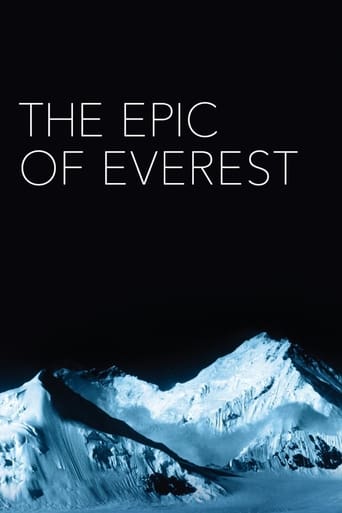
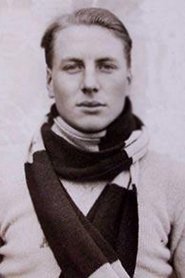
Andrew 'Sandy' Irvine — British mountaineer and engineering student who gained posthumous fame through his appearance in the documentary film 'The Epic of Everest' (1924). Born in Birkenhead, England, Irvine — brilliant student at Merton College, Oxford, where he excelled in both academics and athletics. His engineering background proved valuable during mountaineering expeditions, as he was skilled with oxygen equipment and mechanical devices. Irvine was selected for the 1924 British Mount Everest expedition at just 22 years old, making him one of the youngest members. During the expedition, he was filmed by expedition cinematographer John Noel, whose footage later became 'The Epic of Everest.' On June 8, 1924, Irvine and his climbing partner George Mallory set off for their final summit attempt and were never seen alive again, creating one of mountaineering's greatest mysteries. His brief appearance in the documentary film represents his only contribution to cinema, though his legacy has inspired numerous films and documentaries about Everest expeditions.
The Craft
Milestones
- Selected for 1924 British Mount Everest expedition
- Appeared in documentary footage for 'The Epic of Everest'
- Attempted summit of Mount Everest with George Mallory
Best Known For
Iconic Roles
Must-See Films
Accolades
Special Recognition
- Memorialized in mountaineering history
- Featured in numerous documentaries about Everest
Working Relationships
Worked Often With
Why They Matter
Impact on Culture
Andrew Irvine's appearance in 'The Epic of Everest' represents one of the earliest examples of adventure documentary filmmaking, capturing real mountaineering footage at extreme altitudes. The film itself became a significant cultural artifact, introducing Western audiences to the majesty and danger of the Himalayas. Irvine's mysterious disappearance, documented in the film, has captivated the public imagination for nearly a century, inspiring countless books, documentaries, and films about Everest expeditions. His youth and engineering brilliance, combined with the tragic circumstances of his death, have made him a romantic figure in adventure literature and mountaineering culture.
Lasting Legacy
Andrew Irvine's legacy extends far beyond his brief appearance in cinema. He is remembered as one of mountaineering's great mysteries - whether he and Mallory reached the summit of Everest 29 years before Hillary and Tenzing remains debated. The 1924 expedition film 'The Epic of Everest' preserves the only moving images of Irvine, making his cinematic contribution historically invaluable. Irvine's engineering innovations, particularly his modifications to oxygen equipment, influenced subsequent high-altitude expeditions. His story continues to inspire new generations of mountaineers and adventurers, and the search for his body and camera remains one of mountaineering's ongoing quests.
Who They Inspired
While not a filmmaker or actor, Irvine's documented expedition influenced the adventure documentary genre significantly. The footage captured by John Noel, featuring Irvine and other expedition members, set standards for extreme environment cinematography. Irvine's story has influenced numerous filmmakers who have created works about Everest, including 'The Wildest Dream' (2010) and various documentaries exploring the Mallory-Irvine mystery. His engineering approach to mountaineering challenges has influenced how subsequent expeditions prepare for high-altitude climbing, indirectly affecting how such expeditions are filmed and documented.
Off Screen
Andrew Irvine was the son of William Ferguson Irvine and Lilian Davies-Colley. He came from a well-to-do family with his father being a Scottish physician. Irvine was engaged to be married at the time of his death, though his fiancée's name is not widely documented in historical records. His family was devastated by his disappearance on Everest, and his mother actively sought information about his fate for years afterward.
Education
Merton College, Oxford University (studied engineering)
Did You Know?
- Was only 22 years old when he disappeared on Everest
- Was an accomplished rower and rugby player at Oxford
- Modified the oxygen equipment used on the 1924 expedition
- His ice axe was found in 1933 by a later British expedition
- A Chinese climber claimed to have seen his body in 1975 but this was never confirmed
- The 1999 Mallory and Irvine Research Expedition found Mallory's body but not Irvine's
- His family offered a reward for information about his fate for decades
- He was known for his mechanical aptitude and built several devices for the expedition
- His last known sighting was from a telescope by expedition member Noel Odell
- The mystery of whether he and Mallory reached the summit remains unsolved
In Their Own Words
'We are going to seize the top, we are going to whip it.' (reported last words to expedition members before final summit attempt)
Frequently Asked Questions
Who was Andrew Irvine?
Andrew 'Sandy' Irvine — British mountaineer and Oxford engineering student who appeared in the 1924 documentary 'The Epic of Everest.' He gained lasting fame for disappearing on Mount Everest during a summit attempt with George Mallory, creating one of mountaineering's greatest mysteries.
What films is Andrew Irvine best known for?
Titles linked here include The Epic of Everest (1924).
When was Andrew Irvine born and when did he die?
Born April 8, 1902; died June 8-9, 1924.
What awards did Andrew Irvine win?
Andrew Irvine did not receive any traditional film industry awards, as he was not a professional actor but a mountaineer who appeared in documentary footage. His recognition comes from mountaineering history and his place in exploration literature rather than cinematic achievements.
What was Andrew Irvine's role in 'The Epic of Everest'?
In 'The Epic of Everest,' Andrew Irvine appeared as himself, captured in documentary footage during the 1924 expedition. The film, shot by expedition cinematographer John Noel, shows Irvine as the youngest member of the climbing team, demonstrating his engineering skills and participation in the historic attempt to summit Everest.
What is the mystery surrounding Andrew Irvine's death?
The mystery centers on whether Irvine and George Mallory reached the summit of Everest before dying. They were last seen near the summit, but whether they made it to the top remains unknown. The ongoing search for Irvine's body and the camera he carried continues to captivate mountaineering enthusiasts nearly a century later.
How did Andrew Irvine influence mountaineering?
Irvine influenced mountaineering through his engineering innovations, particularly his modifications to oxygen equipment for high-altitude climbing. His technical approach and youthful determination inspired future generations of mountaineers, and the mystery of his final climb has made him a legendary figure in adventure history.