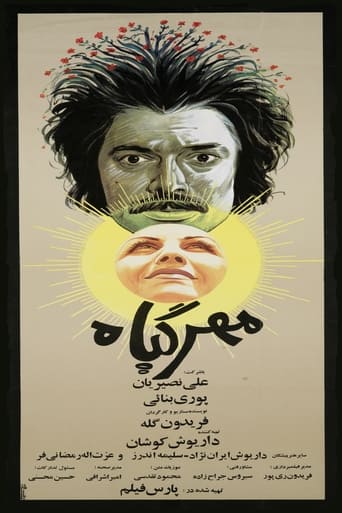

Films
1 film
About Fereydoun Gole
Influential Iranian film director, screenwriter, and poet who emerged during the Iranian New Wave cinema movement of the 1970s. Born in 1939 in Iran, Gole initially gained recognition as a poet and writer before transitioning to filmmaking. His directorial debut 'The Mandrake' (1975) established him as a distinctive voice in Iranian cinema, known for his poetic visual style and social commentary. Gole's films often explored themes of urban alienation, social class struggles, and the complexities of modern Iranian society. He continued directing throughout the late 1970s, with 'The Beehive' (1975) being another notable work. After the 1979 Iranian Revolution, Gole's filmmaking career was significantly impacted, though he continued to write and contribute to Iranian culture. His work of Iranian cinematic history, representing the artistic flourishing of the pre-revolutionary era.
The Craft
Behind the Camera
Known for poetic visual storytelling, social realism, and exploring themes of urban alienation and class struggle in Iranian society
Milestones
- Directed 'The Mandrake' (1975)
- Directed 'The Beehive' (1975)
- Contributed to Iranian New Wave cinema
- Published poetry collections
- Screenwriter for multiple Iranian films
Best Known For
Must-See Films
Accolades
Special Recognition
- Recognized as an important figure in Iranian New Wave cinema
Working Relationships
Worked Often With
Studios
Why They Matter
Impact on Culture
Fereydoun Gole contributed significantly to the Iranian New Wave cinema movement of the 1970s, a period of artistic flourishing in Iranian film. His work, particularly 'The Mandrake,' exemplified the movement's focus on social realism and poetic storytelling. Gole's films captured the urban landscape and social tensions of pre-revolutionary Iran, providing valuable cultural documentation of that era. His dual identity as both poet and filmmaker enriched his cinematic work with literary sensibility and depth.
Lasting Legacy
Fereydoun Gole's legacy endures as an important contributor to Iranian cinema's golden era of the 1970s. His films are studied as examples of the Iranian New Wave movement, and his ability to blend poetry with cinematic storytelling influenced subsequent generations of Iranian filmmakers. 'The Mandrake' remains his most recognized work, often featured in retrospectives of Iranian cinema. Gole represents the artistic vibrancy of pre-revolutionary Iranian culture and the role of cinema as social commentary.
Who They Inspired
Gole influenced Iranian filmmakers through his poetic approach to cinema and his willingness to address social issues. His work demonstrated how cinema could serve as both artistic expression and social documentation, inspiring directors who followed to explore similar themes. The integration of literary sensibility into visual storytelling became a hallmark of Iranian cinema that Gole helped establish.
Off Screen
Fereydoun Gole was not only a filmmaker but also a respected poet and writer in Iranian literary circles. His artistic active years covered multiple disciplines, reflecting his deep engagement with Iranian culture and society. He lived through significant political changes in Iran, including the 1979 Revolution, which impacted his filmmaking career.
Education
Educated in Iran; specific educational institutions not widely documented
Did You Know?
- Also known as a published poet in Iran before and during his filmmaking career
- 'The Mandrake' (also known as 'Mr. Haloo') is considered his masterpiece
- His filmmaking career was significantly impacted by the 1979 Iranian Revolution
- Part of the vibrant Iranian New Wave cinema movement of the 1970s
- His films often featured Tehran's urban landscape as a character
- Gole's work represents the artistic freedom of pre-revolutionary Iranian cinema
- He was one of the few Iranian directors who successfully transitioned from literature to film
Frequently Asked Questions
Who was Fereydoun Gole?
Iranian on YTB.my. His most famous work is 'The Mandrake' (1975), which exemplified his poetic approach to filmmaking and social commentary.
What films is Fereydoun Gole best known for?
Titles linked here include The Mandrake (1975), The Beehive (1975).
When was Fereydoun Gole born and when did he die?
Born 1939; died 2005.
What awards did Fereydoun Gole win?
While specific awards for Fereydoun Gole are not widely documented in international databases, he is recognized as an important figure in Iranian cinema history. His work has been celebrated in retrospectives of Iranian New Wave cinema.
What was Fereydoun Gole's directing style?
Gole's directing style combined poetic visual storytelling with social realism, often exploring themes of urban alienation and class struggle in Iranian society. His background as a poet influenced his cinematic approach, resulting in films with literary depth and visual lyricism.