Films
1 film
About Dariush Mehrjui
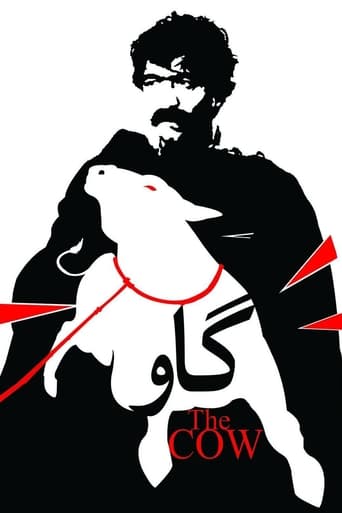
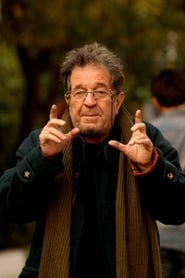
Dariush Mehrjui is a Iranian film director, screenwriter, and film editor who revolutionized Iranian cinema with his debut film 'The Cow' in 1969. Born in Tehran in 1939, he studied philosophy at UCLA before returning to Iran to pursue filmmaking, bringing with him influences from European art cinema and American independent film. His 1969 masterpiece 'The Cow' is widely regarded as the film that launched the Iranian New Wave movement, earning international acclaim and establishing Iran as a significant force in world cinema. Throughout his prolific career spanning over five decades, Mehrjui has consistently explored themes of social alienation, psychological complexity, and the tensions between tradition and modernity in Iranian society. His films have been celebrated at major international film festivals including Cannes, Venice, and Berlin, cementing his reputation as one of Iran's most important auteurs. Despite facing censorship and political challenges throughout his career, particularly after the 1979 Islamic Revolution, Mehrjui has continued to create powerful, socially relevant cinema that has influenced generations of Iranian filmmakers.
The Craft
Behind the Camera
Dariush Mehrjui's directing style is characterized by psychological realism, social critique, and a blend of documentary and fiction techniques. He often employs long takes, naturalistic performances, and symbolic imagery to explore the inner lives of his characters. His films frequently focus on ordinary people struggling with social pressures, psychological conflicts, and the clash between traditional values and modern aspirations. Mehrjui's visual style is influenced by European art cinema, particularly Italian neorealism and the French New Wave, while maintaining a distinctly Iranian sensibility. He is known for his meticulous attention to detail, complex character development, and willingness to tackle controversial social and political themes.
Milestones
- Directed 'The Cow' (1969), considered the first masterpiece of Iranian New Wave cinema
- Won Golden Seashell at San Sebastian Film Festival for 'The Cycle' (1975)
- Directed 'Hamoun' (1990), voted Best Iranian Film of All Time by critics
- Won Silver Bear at Berlin for 'Sara' (1993)
- Directed 'Leila' (1996), which broke box office records in Iran
- Received Lifetime Achievement Award from Fajr International Film Festival (2004)
- Directed 'The Pear Tree' (1998), which won multiple international awards
- First Iranian director to have films distributed widely in Western markets
Best Known For
Must-See Films
Accolades
Won
- Golden Seashell (San Sebastian Film Festival) for The Cycle (1975)
- Silver Bear (Berlin International Film Festival) for Sara (1993)
- Best Director (Fajr International Film Festival) for Hamoun (1990)
- Best Film (Fajr International Film Festival) for The Pear Tree (1998)
- Best Director (Fajr International Film Festival) for The Pear Tree (1998)
- Best Screenplay (Fajr International Film Festival) for The Pear Tree (1998)
- Grand Prix (Yerevan International Film Festival) for The Cow (1969)
- Best Film (Cairo International Film Festival) for The Cow (1969)
Nominated
- Palme d'Or (Cannes Film Festival) nomination for The Cow (1969)
- Golden Lion (Venice Film Festival) nomination for Hamoun (1990)
- Golden Bear (Berlin International Film Festival) nomination for Leila (1997)
- Best Director (Asia Pacific Screen Awards) nomination for The Pear Tree (1998)
Special Recognition
- Lifetime Achievement Award (Fajr International Film Festival, 2004)
- Knight of the Order of Arts and Letters (France, 2008)
- Lifetime Achievement Award (Iranian Film Festival, Zurich, 2012)
- Honorary Doctorate (University of Tehran, 2015)
- Career Achievement Award (Asian Film Awards, 2016)
Working Relationships
Worked Often With
Studios
Why They Matter
Impact on Culture
Dariush Mehrjui fundamentally transformed Iranian cinema and brought international recognition to Iranian filmmaking. His debut film 'The Cow' is credited with launching the Iranian New Wave movement, which revolutionized the country's film industry by moving away from commercial entertainments toward socially conscious, artistically ambitious cinema. Mehrjui's films opened doors for Iranian cinema at major international festivals, establishing a reputation for quality that subsequent generations of Iranian filmmakers have built upon. His work has been instrumental in challenging social taboos and addressing controversial topics within Iranian society, often using allegory and symbolism to bypass censorship. Mehrjui's success demonstrated that Iranian films could achieve both critical acclaim and commercial success, inspiring a new generation of filmmakers to pursue artistic visions rooted in Iranian culture while appealing to international audiences.
Lasting Legacy
Dariush Mehrjui's legacy as the father of modern Iranian cinema is firmly established in film history. His approach to blending social commentary with artistic innovation created a template for Iranian cinema that continues to influence filmmakers today. 'The Cow' remains. Mehrjui's body of work represents a comprehensive chronicle of modern Iranian society, capturing the country's social, political, and cultural transformations over five decades. His films have become essential texts in film studies programs worldwide, and his influence extends beyond Iran to global cinema, particularly in how he demonstrated the power of cinema to address social issues while maintaining artistic integrity. Mehrjui's career exemplifies the role of the filmmaker as social critic and cultural commentator, inspiring countless directors to use cinema as a medium for social change.
Who They Inspired
Dariush Mehrjui's influence on cinema extends far beyond Iran's borders, impacting filmmakers across the globe. His success in the late 1960s and early 1970s proved that films from developing countries could compete on the international stage, inspiring filmmakers throughout Asia, Africa, and Latin America. Within Iran, he directly mentored and influenced multiple generations of directors, including Abbas Kiarostami, Mohsen Makhmalbaf, and Asghar Farhadi, who have all acknowledged his impact on their work. His techniques for working within censorship while maintaining artistic integrity have become a model for filmmakers working under restrictive conditions worldwide. Mehrjui's blend of documentary realism with poetic symbolism influenced the development of social realist cinema globally, while his focus on psychological complexity in ordinary characters has inspired character-driven filmmaking across cultures. His success in creating internationally acclaimed films rooted in local culture demonstrated that cultural specificity could be a strength rather than a limitation in global cinema.
Off Screen
Dariush Mehrjui has been married three times and has four children. His personal life has often intersected with his professional work, with his second wife, Vahideh Mohammadifar, serving as a producer on several of his films. He has been vocal about the challenges of filmmaking in Iran, particularly regarding censorship and political pressure. Mehrjui has lived primarily in Tehran throughout his career, though he has spent significant time abroad for film festivals and academic engagements. He is known for his intellectual pursuits beyond cinema, including philosophy and literature, which have influenced his filmmaking approach.
Education
Bachelor's Degree in Philosophy, University of California, Los Angeles (UCLA); Studied filmmaking at University of Southern California (USC); Attended film workshops in Paris, France
Family
- Zahra Hatami (1963-1975)
- Vahideh Mohammadifar (1975-2015)
- Shahrzad Abdolmohammad (2016-present)
Did You Know?
- 'The Cow' was banned in Iran for two years after its completion due to its perceived social criticism
- The film was reportedly smuggled out of Iran and submitted to the Venice Film Festival without official approval
- Mehrjui studied philosophy under Herbert Marcuse at UCLA before turning to filmmaking
- His film 'Hamoun' was voted the best Iranian film of all time in a 1999 critics' poll
- Mehrjui has been arrested multiple times in Iran for his films' controversial content
- His daughter Mona followed in his footsteps and became a film director
- Several of his films have been remade or adapted by other international directors
- He was one of the first Iranian directors to achieve regular distribution in Western cinemas
- His film 'The Pear Tree' took seven years to complete due to funding and censorship issues
- Mehrjui has taught filmmaking at several universities including Tehran University
- He was initially rejected by Iranian film studios who considered his ideas too intellectual and commercial
In Their Own Words
Cinema is not entertainment for me; it's a way of understanding society and human beings.
Every film I make is a piece of my soul, a reflection of my concerns about my society.
The best films are those that make you think long after you've left the theater.
Censorship is a terrible thing, but sometimes it forces you to be more creative.
I don't make films to please everyone; I make films to say something important.
The cow in my film was not just an animal; it was a symbol of everything we were losing in our society.
Cinema should be like a mirror that shows us ourselves, even when we don't like what we see.
True art must challenge, provoke, and sometimes disturb the audience.
In Iran, making a film is an act of resistance, a way of saying we still exist and we still think.
I believe in the power of cinema to change hearts and minds, even if it takes time.
Frequently Asked Questions
Who was Dariush Mehrjui?
Dariush Mehrjui is a Iranian film director, screenwriter, and film editor who revolutionized Iranian cinema with his 1969 film 'The Cow'. He is widely regarded as the father of the Iranian New Wave movement and has been instrumental in bringing international attention to Iranian cinema through his socially conscious and artistically ambitious films.
What films is Dariush Mehrjui best known for?
Titles linked here include The Cow (1969), Mr. Naive (1970).
When was Dariush Mehrjui born and is he still alive?
Born June 8, 1939; died death date not listed.
What awards did Dariush Mehrjui win for his films?
Mehrjui has won numerous prestigious awards including the Golden Seashell at San Sebastian for 'The Cycle' (1975), a Silver Bear at Berlin for 'Sara' (1993), multiple Fajr International Film Festival awards, and has had films nominated for the Palme d'Or at Cannes. He received a Lifetime Achievement Award from the Fajr International Film Festival in 2004.
What was Dariush Mehrjui's directing style?
Mehrjui's directing style combines psychological realism with social critique, using documentary techniques blended with fiction. He employs long takes, naturalistic performances, and symbolic imagery to explore the inner lives of characters struggling with social pressures. His style is influenced by European art cinema while maintaining distinctly Iranian sensibilities.
How did Dariush Mehrjui impact Iranian cinema?
Mehrjui fundamentally transformed Iranian cinema by launching the Iranian New Wave movement with 'The Cow'. He proved that Iranian films could achieve international acclaim while addressing social issues, opening doors for subsequent generations of Iranian filmmakers. His work established a reputation for quality Iranian cinema that continues today.
Did Dariush Mehrjui face censorship in Iran?
Yes, Mehrjui has faced significant censorship throughout his career, with several films banned or heavily edited. 'The Cow' was banned for two years, and he has been arrested multiple times for allegedly 'anti-Islamic' content. Despite these challenges, he developed techniques for working within censorship while maintaining artistic integrity.