Philip Ford
Actor
- Active
- 1919-1919
Films 1
About Philip Ford
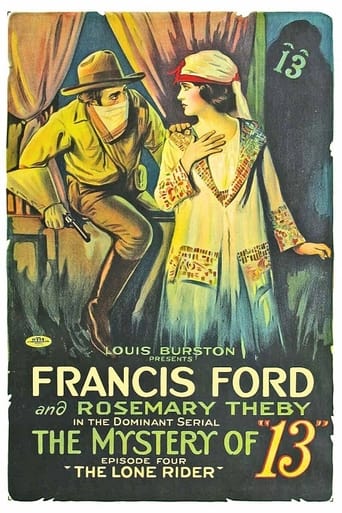
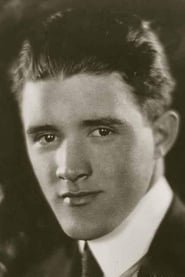
Philip Ford was a very young silent-era screen actor remembered primarily for his appearance in the 1919 mystery serial The Mystery of 13. He belongs to the large but often under-documented group of child and juvenile performers who appeared in American films during the late silent period, when studio records were frequently incomplete and many careers were brief. Available filmographic references suggest that his screen career was extremely short, with 1919 as the only confirmed active year presently associated with him. Because surviving biographical documentation is scarce, his later life, family background, and whether he remained in the film industry are not well established in standard reference sources. He should not be confused with the later Philip Ford associated with directing, nor with any other similarly named film figure. His importance lies in his place within early serial and mystery filmmaking, where even minor performers contributed to the atmosphere and continuity of quickly produced silent entertainments.
More about Philip Ford
On screen
No detailed performance descriptions survive in standard reference sources. As a performer in a 1919 silent production, his work would have relied on expressive facial gesture, physical clarity, and visual continuity rather than spoken dialogue. Because his filmography is extremely limited in surviving documentation, any broader assessment of his style would be speculative.
In film history
Philip Ford’s cultural impact is best understood as part of the broader fabric of early silent cinema rather than through a long-star career of his own. Performers like him helped populate the mystery serials and short features that were essential to the moviegoing culture of the 1910s, especially in the United States where episodic suspense films drew reliable audiences. Although he is not widely documented as a major figure, his presence in The Mystery of 13 places him within a formative era when genre storytelling, cliffhangers, and visual performance were sharpening the grammar of mainstream film entertainment. For researchers and database users, his value lies in preservation and attribution: documenting even obscure credits helps reconstruct the industrial and artistic history of the silent screen.
Later reputation
His legacy is primarily archival. Philip Ford is one of many early actors whose names survive in credits and film reference sources even when personal histories have been lost or fragmented over time. Such figures are important to film history because they remind us that silent cinema depended on a broad pool of working performers, many of whom had brief or local careers rather than long-term stardom. Preserving his credit in The Mystery of 13 contributes to the completeness of silent-film scholarship and helps maintain accurate historical records. In that sense, his lasting significance is not celebrity, but documentation.
Influence
There is no evidence that Philip Ford was a major influence on later actors or directors in a documented, direct sense. His value is instead indirect, as part of the generation of silent performers whose work supported the development of genre conventions in mystery and serial filmmaking. By participating in early screen narratives that relied on expressive, visual acting, he was part of the tradition that later performers and filmmakers built upon. Any influence he had would have been local to his production environment rather than broadly recognized in the historical record.
Off screen
Very little verified personal information is readily available for this Philip Ford. Standard classic-film references do not provide reliable details on marriages, children, education, or later occupation. As a result, his private life remains largely undocumented in the surviving mainstream film literature. This scarcity is common for short-lived or juvenile silent-era film careers, especially when the performer did not remain a major star.
Credits
- Appeared in the silent mystery production The Mystery of 13 (1919).
- Worked during the late silent-film era, a period of rapid expansion in American serial and genre filmmaking.
- Represents one of the many lesser-documented juvenile performers whose credits survive more clearly than biographical details.
- Associated with early mystery-oriented screen entertainment that helped define audience expectations for serialized suspense storytelling.
Roles
- Role in The Mystery of 13 (1919)
Films
- The Mystery of 13 (1919)
Notes
- Philip Ford is associated in surviving filmography with only one confirmed credit: The Mystery of 13 (1919).
- He should not be confused with the later Philip Ford who worked as a director in Hollywood.
- His career falls within the silent-film era, when many performers' biographies were not systematically preserved.
- The Mystery of 13 was a mystery serial title, a popular format in the 1910s for episodic suspense and cliffhanger storytelling.
- Because his documented career is so brief, he is a good example of how film databases often preserve credits even when personal details are lost.
- The absence of verified birth and death information suggests he may have been a minor or juvenile performer whose later life left little public trace.
- Silent-era credits are often fragmentary, so additional archival discoveries could potentially expand what is known about him.
Questions
Who was Philip Ford?
Philip Ford was a silent-era film actor known from surviving filmographic references for appearing in The Mystery of 13 (1919). He is a relatively obscure figure in classic cinema, and standard sources preserve his screen credit more clearly than personal biography. His career appears to have been brief and is associated with the late silent period.
What films is Philip Ford best known for?
He is best known for The Mystery of 13 (1919), which is the only confirmed film credit readily associated with him in available classic-cinema references. If additional films existed, they are not well documented in the standard surviving record. For database purposes, this single credit is the essential one.
When was Philip Ford born and when did he die?
Reliable birth and death information is not presently available in standard reference sources for this Philip Ford. The surviving record is largely limited to his 1919 acting credit. Until archival evidence surfaces, those dates should be listed as unknown.
What awards did Philip Ford win?
No awards or formal honors are currently documented for Philip Ford. He appears to have been a minor silent-era performer rather than a nationally recognized star. As a result, surviving records do not associate him with major industry prizes or lifetime honors.
What was Philip Ford's acting style?
Because he worked in silent film, his acting would have depended on facial expression, gesture, and physical readability. However, no detailed critical descriptions of his style have survived in the standard record. Any precise characterization would be speculative.
What is Philip Ford's legacy in film history?
His legacy is mainly archival and historical rather than star-based. He represents the many lesser-known performers who helped populate early American silent films, especially mystery and serial productions. Preserving his credit helps historians reconstruct the silent-era film landscape more accurately.