1919 · 15 episodes; exact minute count unknown

Also available on: Archive.org
The Mystery Of 13

The Mystery Of 13

1919 15 episodes; exact minute count unknown United States
Treasure huntingSecret criminal conspiracySuspense and cliffhangersGreed and rivalryAdventure and pursuit

Plot

The Mystery of 13 is a 15-episode silent serial built around a perilous treasure hunt and a criminal conspiracy known only as “the 13.” A man comes into possession of a map that points to the location of a hidden treasure, but the discovery immediately draws dangerous attention from a secretive organization intent on seizing the prize for itself. As the serial unfolds, the hero is forced into a chain of pursuits, traps, disguises, and cliffhangers typical of the chapter-play form, with the map and the identity of the people behind the “13” becoming the central engines of suspense. The story’s surviving descriptions indicate that chapters 10, 11, and 12 are missing from the known record, making the full narrative difficult to reconstruct in detail today. Like many action serials of the period, it is driven less by psychological complexity than by escalating danger, serialized revelation, and the race to outwit a shadowy criminal network before the treasure is lost or stolen.

About the Production

Release Date 1919
Production Universal Film Manufacturing Company
Filmed In United States

The Mystery of 13 was produced as a theatrical serial in the late silent era, when studios regularly issued multi-chapter adventure stories designed to bring audiences back week after week. Directed by Francis Ford, who was a significant early action serial specialist, the production belongs to Universal’s prolific chapter-play program during the 1910s. Surviving records identify it as a 15-episode serial, but the historical record is incomplete and chapters 10, 11, and 12 are missing from existing surviving materials, which limits modern reconstruction of the full plot. As with many serials of the period, the film would have relied on fast-moving action, pursuit scenes, and cliffhanger endings rather than elaborate sets or expensive production design. Precise budget, box office, and specific shooting locations are not reliably documented in the available sources.

Historical Background

The Mystery of 13 was released in 1919, at the end of World War I and during a transitional moment in American cinema. The film industry was rapidly expanding, serials were a major box-office attraction, and studios like Universal were helping define the grammar of commercial action entertainment before the feature film fully eclipsed the chapter-play. In the broader social context, audiences were returning to civilian life after wartime upheaval and were drawn to escapist stories involving danger, hidden wealth, criminal conspiracies, and clear narrative victories. The year also sits in the late silent era, before synchronized sound transformed filmmaking, so visual storytelling, intertitles, and performance had to carry the entire dramatic burden. The serial matters historically because it represents the kind of mass-market episodic cinema that shaped audience habits and influenced later adventure, detective, and cliffhanger storytelling in film and television.

Why This Film Matters

Although not a widely famous title today, The Mystery of 13 belongs to the important lineage of silent serials that helped popularize the cliffhanger structure and the serialized adventure formula. These films trained audiences to expect recurring jeopardy, hidden organizations, and a race against time, elements that remained central to later action cinema, comics, radio serials, and television adventure shows. Its lost or partially lost status also makes it culturally significant as an example of how much early cinema has disappeared, leaving gaps in the historical record and limiting our understanding of genre development. The film is also representative of Universal’s early genre identity, contributing to the studio tradition that would later encompass horror, mystery, and action programming. For scholars of silent film, serials like this one are valuable evidence of how popular entertainment was structured before the feature film became dominant.

Making Of

The Mystery of 13 was made at a time when the serial was one of the most dependable forms of popular movie entertainment, and Universal in particular had become experienced in producing these chaptered adventures efficiently. Francis Ford was well suited to the material: he had already established himself in action pictures and serial storytelling, where pacing, chases, and clear-cut peril mattered more than subtle characterization. The participation of Francis Ford in both creative and acting capacities reflects a common early-cinema practice in which filmmakers often moved between writing, directing, performing, and producing roles. The incomplete survival of the serial means that much of the behind-the-scenes story is now lost to history, including the exact circumstances of location work, editing decisions, and the original promotional campaign. What is clear is that the production was intended to capitalize on the audience appetite for mystery, criminal organizations, and treasure-hunt narratives that could be parcelled into recurring installments.

Visual Style

Specific shot-by-shot cinematographic documentation is limited, but the film would have used the visual conventions of late-1910s silent serials: clear staging, expressive pantomime, intertitle-supported exposition, and a strong emphasis on readable action. Serial adventure films of this period commonly relied on medium and full shots to keep chase action legible, with cuts built around escapes, confrontations, and revelation scenes. The visual style would likely have emphasized motion, spatial clarity, and suspenseful framing over elaborate lighting effects, which were less characteristic of mainstream action serials than of later German or expressionist cinema. Because much of the surviving record is incomplete, precise stylistic details are difficult to verify beyond the typical grammar of Universal’s silent chapter plays.

Innovations

No major technical innovation is specifically documented for The Mystery of 13, but it participates in the technical refinement of the silent serial form. Its storytelling depends on the serial chapter structure, cliffhanger construction, and efficient visual narration that were becoming standardized in American popular cinema. Like other Universal serials, it likely relied on practical stunts, cross-cut suspense, and action editing to maintain momentum. Its most notable technical aspect from a preservation perspective is not innovation but survival history: the incomplete state of the serial underscores the fragility of nitrate-era film archives and the importance of restoration efforts.

Music

As a silent film, The Mystery of 13 had no synchronized recorded soundtrack. In original exhibition, it would have been accompanied by live music provided by a theater pianist, organist, small ensemble, or other local accompaniment, often using cue sheets or improvisatory practice. No specific original score is currently documented in the available historical record. Any modern presentation of surviving material would typically rely on newly assembled accompaniment rather than a preserved studio-issued soundtrack.

Memorable Scenes

  • The opening premise in which a man acquires a map pointing to a hidden treasure and is immediately drawn into danger.
  • The recurring confrontations with the secret criminal organization known as “the 13,” which functions as the serial’s central menace.
  • The chapter-ending cliffhangers that would have left audiences in suspense before the next installment.
  • The currently missing middle chapters, which are themselves notable to historians because they create gaps in the serial’s narrative continuity.

Did You Know?

  • The film is a 15-episode serial, a format that was hugely popular with silent-era audiences and designed to sustain weekly suspense.
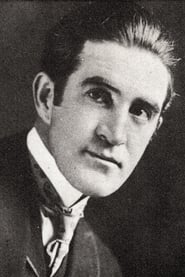
  • Francis Ford was not only the director but also one of the cast members, reflecting the multi-hyphenate working style common in early Hollywood.
  • The criminal group at the center of the story is referred to simply as “the 13,” giving the serial a mysterious, ominous title device.
  • Chapter ten, chapter eleven, and chapter twelve are reported missing from the surviving record, making the serial partially lost or incomplete.
  • Because it is a silent serial, the original experience would have depended heavily on live musical accompaniment in theaters.
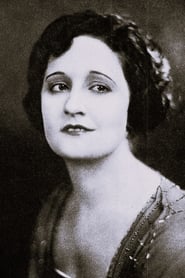
  • Rosemary Theby was a familiar name in silent-era film, and her presence suggests the serial likely balanced action with a strong female supporting role.
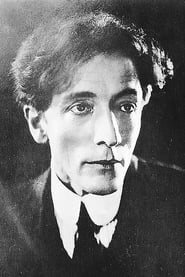
  • Nigel De Brulier was often cast in villainous or exoticized roles in the silent period, which fits the atmosphere of intrigue typical of serial melodrama.
  • The film is part of Universal’s early output, when the studio was becoming especially associated with serial adventure and genre pictures.
  • The title uses the number 13, a classic signifier of mystery, danger, and superstition, which likely helped market the serial to audiences.
  • As with many films from 1919, detailed contemporary reviews and production documentation are scarce compared with later studio-era titles.

What Critics Said

Contemporary critical reception is difficult to reconstruct with certainty because detailed reviews for many 1910s serials survive only sporadically, and specific appraisals of The Mystery of 13 are not widely documented in modern reference sources. As a chapter serial from Universal, it would likely have been reviewed in trade and local press primarily in terms of action, pacing, and audience appeal rather than as a prestige artistic work. Modern reception is likewise shaped by the serial’s incomplete survival; historians and enthusiasts tend to regard it as a representative but obscure example of late silent serial production. Its value today is more archival and historical than canonical, and interest often centers on what survives, what is missing, and what the film reveals about the era’s popular entertainment patterns.

What Audiences Thought

Audience reception records are not well preserved, but the film was produced in a format that had a proven track record with early moviegoers, especially those who enjoyed weekly suspense and recurring heroes and villains. The treasure-map premise and secret criminal organization would have offered immediate appeal to viewers seeking excitement and narrative mystery. Serial audiences typically responded strongly to cliffhangers, and The Mystery of 13 was designed to reward repeat attendance by withholding answers across episodes. Today, audience interest is mostly confined to silent-film historians, collectors, and fans of serial adventure who seek out surviving fragments or documentation.

Film Connections

Influenced By

  • Early 1910s American action serials
  • Treasure-hunt adventure fiction
  • Crime melodramas and mystery chapter plays
  • The popularity of weekly newspaper and magazine serial storytelling

This Film Influenced

  • Later silent adventure serials
  • 1930s and 1940s cliffhanger serials
  • Adventure films built around hidden maps and secret societies
  • Comic-strip and pulp-inspired screen adventures

Film Restoration

Partially lost or incomplete; surviving records indicate that chapters ten, eleven, and twelve are missing from the known film material. The serial is therefore not fully preserved in complete form, although it remains documented in film-historical sources and may survive in fragments or incomplete elements depending on archive holdings.

Themes & Topics

mapsecret treasurecriminal organizationserial adventurecliffhangermissing chapters