The Mysterious Dr. Fu Manchu
Plot
Set against the aftermath of the Boxer Rebellion, the film introduces Dr. Fu Manchu as a brilliant and merciless mastermind whose life has been shaped by the death of his wife and child at the hands of allied forces. From his hidden lair, he begins a calculated campaign of revenge aimed at the men responsible, using disguises, poisons, abductions, and psychological manipulation to draw his enemies into his trap. British investigator Nayland Smith and his ally Dr. Petrie race to uncover Fu Manchu’s schemes before he can complete his vengeance, while Fu Manchu’s daughter Fah Lo See becomes entangled in the conflict and provides an emotional counterpoint to her father’s obsession. The story mixes crime, melodrama, and exoticized suspense as Fu Manchu repeatedly seems to outwit his pursuers, only to be gradually cornered by evidence and resistance. The film builds toward a confrontation in which the forces of law and reason attempt to stop Fu Manchu’s revenge before it can destroy everyone caught in his path.
About the Production
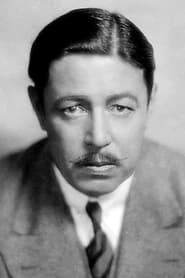
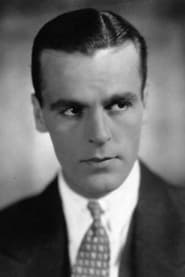
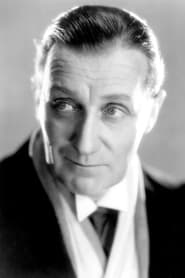
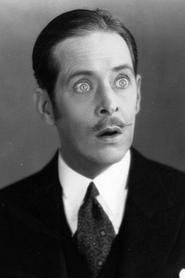
This was one of Paramount's late silent-era prestige productions and one of the most prominent screen adaptations of Sax Rohmer's popular Fu Manchu novels. Warner Oland's casting as Fu Manchu continued Hollywood's then-common practice of casting non-Asian actors in Asian roles, a choice that later became a major point of criticism and historical discussion. The film was mounted with an emphasis on atmosphere, mystery, and star appeal rather than overt spectacle, and it was designed to capitalize on the already-famous pulp villain before sound cinema fully transformed the market. Because it was released at the end of the silent era, it exists at an important transitional moment in film history, just before studio strategy shifted decisively toward talkies.
Historical Background
The film was made at the end of the silent era, just as Hollywood was undergoing a rapid transformation due to the success of synchronized sound. In 1929, studios were still releasing silent features while also converting production pipelines, exhibition practices, and star vehicles to the new technology, so a film like this sits at a crucial hinge point in cinema history. It also emerged in a period when pulp fiction, colonial adventure stories, and fear-driven depictions of Asia were extremely popular in Western mass entertainment. The character of Fu Manchu had already become a notorious cultural figure, and the film reflects both the appeal of the brilliant criminal mastermind and the racial anxieties that surrounded such representations in the early twentieth century. Today, it matters as an example of how mainstream cinema packaged suspense, melodrama, and imperial-era fantasies just before the sound era permanently changed the medium.
Why This Film Matters
The film is significant primarily as an early screen chapter in the Fu Manchu mythos, which became one of the most enduring villain archetypes in Anglo-American popular culture. It also stands as a revealing example of how Hollywood represented Asians through makeup, accent-free silent performance, and stereotyped imagery, making it important in discussions of race, representation, and Orientalism in classic cinema. Warner Oland's presence links the film to a broader tradition of performers playing ethnic roles outside their own background, a practice that has become a major point of reassessment in film scholarship. More broadly, the picture illustrates the popularity of the master-villain thriller in the late silent period and shows how cinema drew on serialized fiction to create recurring characters with a built-in audience. For modern viewers and historians, it is valuable both as entertainment history and as a document of changing cultural attitudes.
Making Of
The film was developed as part of Paramount's effort to adapt a commercially proven literary property with a name that already carried strong recognition among moviegoers. Rowland V. Lee's direction emphasizes suspenseful staging and the moral contest between the criminal mastermind and his investigators, while Warner Oland's performance leans into the theatrical, stylized villainy expected of silent-era melodrama. Jean Arthur's participation is notable because it captures her before her later reinvention as one of Hollywood's defining comedic and dramatic leading ladies. Like many productions of its period, the film reflects studio-era casting practices and design conventions that attempted to evoke a stylized, fantasy version of China and colonial Asia rather than historical realism. The result is an artifact of both entertainment history and cultural history: a genre thriller that also reveals the assumptions and limitations of late-1920s Hollywood.
Visual Style
The film's visual style is rooted in late silent-era studio craftsmanship, with emphasis on expressive lighting, shadowy interiors, and staged tableaux that heighten the mystery surrounding Fu Manchu's secret operations. Silent suspense films of this type often relied on carefully arranged compositions to clarify action without dialogue, and this production likely uses intertitles, close-ups, and controlled framing to communicate threat and deception. The aesthetic depends less on naturalism than on mood, using elaborate sets and controlled studio environments to create an atmosphere of danger and exotic intrigue. As a result, the cinematography serves both narrative clarity and the heightened theatricality expected of a prestige thriller in the period.
Innovations
The film's main technical achievement lies in its polished silent-era suspense construction at a moment when Hollywood was transitioning to sound. It demonstrates the studio system's ability to mount a commercially recognizable genre property with controlled pacing, visual storytelling, and atmospheric production design. Because it was created just before the industry fully standardized sound filmmaking, it represents the culmination of silent thriller technique rather than a major technological breakthrough. Its value today is less in innovation than in how effectively it embodies the last mature phase of silent genre cinema.
Music
As a 1929 silent film, it would originally have been accompanied by live music in theaters, with specific accompaniment varying by venue. No universally standardized original score is firmly documented in the available information, and surviving musical presentation may differ between archival screenings and restorations. In modern contexts, silent-film presentations of titles like this are often given newly compiled accompaniment or piano/orchestra scores created for restoration prints. The film's historical musical identity is therefore tied more to exhibition practice than to a fixed studio-recorded soundtrack.
Famous Quotes
No reliably documented surviving dialogue quote is known from the silent print in common modern reference sources.
No canonical on-screen spoken quotes exist because the film was produced as a silent feature.
Memorable Scenes
- Fu Manchu's eerie appearances in concealment and disguise, which emphasize his ability to manipulate events from the shadows.
- The investigators' attempts to unravel the villain's revenge plot before his carefully staged traps can claim more victims.
- The scenes involving Fah Lo See, which add a complicated family dimension to the revenge narrative.
- The film's confrontations between the criminal mastermind and British lawmen, staged as a battle of intellect and persistence rather than physical action alone.
Did You Know?
- Warner Oland, who played Fu Manchu here, later became best known for portraying Charlie Chan in a long-running series of films.
- Jean Arthur appears in one of her earlier feature-film roles, before becoming a major star in American screwball comedy and drama.
- The film is part of the long-running Fu Manchu cycle, one of the most durable villain franchises in popular fiction and cinema.
- It was released in 1929, a pivotal year when silent films and early sound films were competing for audience attention.
- The production reflects late-1920s Hollywood fascination with exotic thriller material, especially stories drawn from pulp fiction and imperial adventure narratives.
- Its portrayal of Fu Manchu and other Asian characters is now widely regarded as a product of racial stereotyping and Orientalist storytelling common in the era.
- Because the picture is from the silent era, surviving prints and historical references are especially valuable for understanding its original presentation and reception.
- The film was directed by Rowland V. Lee, who worked in several genres and later became known for atmospheric genre filmmaking in both silent and sound eras.
What Critics Said
Contemporary reviews generally treated the film as an effective genre vehicle, with attention to its suspense, atmosphere, and the strength of Warner Oland's central performance. Like many studio thrillers of the late 1920s, it was judged within the standards of its time, where stylish melodrama and recognizable source material often mattered more than realism or cultural sensitivity. In later decades, critical interest has shifted toward its significance in the Fu Manchu cycle, Warner Oland's career, and its place in the silent-to-sound transition. Modern criticism is far more likely to question the film's racial politics and its stereotyped depiction of Chinese characters, even while acknowledging its value as a period artifact and a well-made genre picture of its era.
What Audiences Thought
At release, the film likely appealed to audiences already familiar with the Fu Manchu stories and to moviegoers drawn to mystery thrillers and villain-centered melodrama. The presence of a famous literary antagonist would have been a major selling point, and Warner Oland's striking screen persona helped reinforce the character's menacing appeal. Over time, the film has become more of a historical and archival curiosity than a widely circulated mainstream title, so contemporary audience awareness is limited compared with more famous silent-era thrillers. Among classic-film enthusiasts, it is typically appreciated as a notable early Fu Manchu adaptation and as a performance vehicle for major stars in formative stages of their careers.
Film Connections
Influenced By
- Sax Rohmer's Fu Manchu novels
- Pulp magazine crime and adventure fiction
- Early silent detective and villain melodramas
- Colonial adventure narratives popular in the 1910s and 1920s
This Film Influenced
- The Return of Dr. Fu Manchu (1930)
- Daughter of the Dragon (1931)
- The Mask of Fu Manchu (1932)
- The Vengeance of Fu Manchu (1967)
- The Blood of Fu Manchu (1968)
You Might Also Like
More Crime Films
View allMore from Rowland V. Lee
View allFilm Restoration
The film is preserved and known to survive in archival circulation, though like many silent-era titles it may exist in varying print quality and with incomplete or divergent materials depending on the source element used.